Metro signs MOU to address water and sanitation challenges in the city
The agreement encouraged collaboration in various areas, including infrastructure planning and development, water resource planning and infrastructure solutions, and capacity building for metro officials.
The Hennops River is one of Pretoria’s most polluted rivers, with many Centurion residents coming face-to-face with this result.
Early this year, the river experienced an overwhelming concentration of sewage which surpassed the natural water content to a degree that was highly concerning.
Hennops Revival founder Tarryn Johnson said heavy rains and flooding lead to further contamination of the river and that her regular clean-ups only contribute a little to restoring the river to its normal clean condition.
“The easy part is taking out the physical aspects, such as waste from the river, but there are also other issues to consider, such as chemical and sewage pollution, that we cannot remove,” she said.
Johnson said that it would take collective work to ensure that the river is clean in the future.
She said there is still more work that needs to be done before community members can enjoy recreational activities by the river.
“The river is not clean and safe, and no one wants to go near it because of how polluted it is,” she said.
ALSO READ: Watch: TMPD patrolling spiking hotspots in and around Pretoria
She said that there could be a lot of community activities that residents would be able to partake in and enjoy if the river was clean.
“I remember how safe the river used to be when I was growing up, and we would play, have picnics, and even have parties near the river.”
Johnson said that the Hennops River extends across three metros, and therefore more people need to be involved in keeping it clean.
Johannes Dube, a resident who has taken part in the clean-ups of the river banks, said that he was worried about the dire condition of the river.
He said that waste and pollutants that get into the river come from different areas, which makes it difficult for the river to remain clean.
“It would be helpful if there was a way to trap the dirt from flowing into the river,” he said.
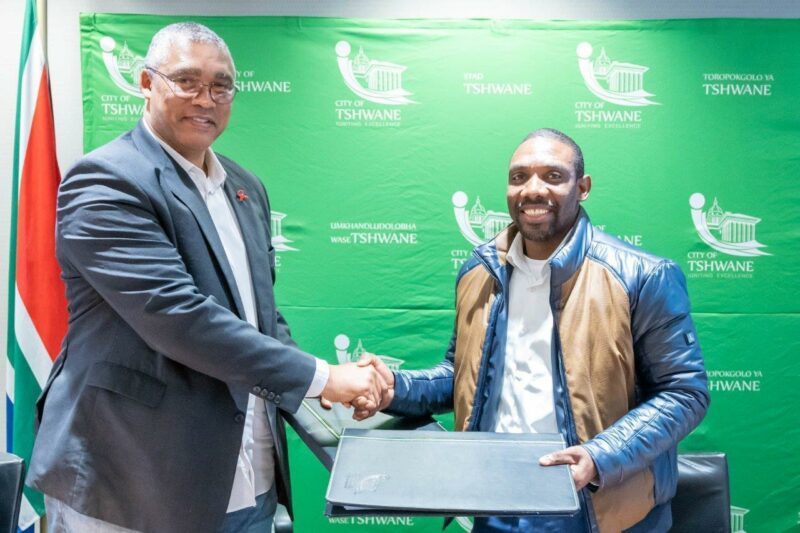
Photo: Supplied
He said that the river used to look beautiful and was a natural attraction that people loved before it was contaminated.
Dube said that, with a lack of support, it would be difficult for him to continue cleaning the river because more people are needed.
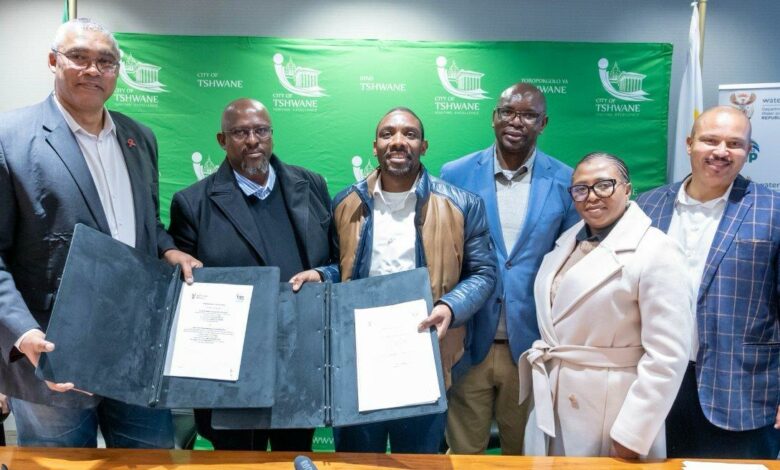
The Tshwane metro recently partnered with the Department of Water and Sanitation (DWS) to address some of the city’s ongoing water and sanitation challenges.
These include the Hennops River pollution, Rooiwal Wastewater Treatment Works, and inadequate human resources.
This comes after Tshwane city manager Johann Mettler and DWS deputy director-general Dr Risimati Mathye signed a memorandum of understanding at Tshwane House on June 6.
The agreement encouraged collaboration in various areas, including infrastructure planning and development, water resource planning and infrastructure solutions, and capacity building for metro officials.
Metro spokesperson Lindela Mashigo said discussions were underway to finalise a flagship engineering candidature development programme, which would see candidate engineers seconded to the city while professional engineers would be contracted for three years.
Mashigo said the team of engineers has undergone training under the DWS.
“The DWS will offer free mentorship through its database of mentors to assist the candidate engineers in obtaining their professional registration with the Engineering Council of South Africa (ECSA),” he said.
He said the successful implementation of this programme would ensure that the metro complies with ECSA’s new identification of engineering work regulations.
During the signing ceremony, Mettler said addressing the city’s major water challenges requires a joint effort between the city and key water stakeholders, such as the DWS.
“We have been facing significant water challenges that have negatively affected some of our residents for a long time, and some of these challenges include ageing infrastructure and maintenance challenges at some of our water treatment plants,” he said.
Dr Mathye said the collaboration between the two entities was significant, particularly on the DWS side, to fulfil its role as a regulator of the water and sanitation sectors.
He said that the metro has shown a willingness to collaborate and work together with different spheres of government to ensure efficient services to its residents.
“It has always been our intention to work with all municipalities at the local government level to capacitate them where we can and achieve Sustainable Development Goals, particularly Goal 6, which is to provide clean water and decent sanitation to communities,” he said.
The MOU focuses on various key areas of collaboration, which include the following:
– Water resource planning and infrastructure solutions in line with the city’s climate action plan
– Infrastructure planning and development
– Collaboration on water and sanitation-related programmes
– Sustainable Development Goal 6: Clean Water and Sanitation
– Training and capacity building, including the secondment of staff between the parties.
– Education and awareness campaigns (National Water Week)
– Knowledge-sharing (joint hosting of seminars and conferences)
– Benchmarking of programmes, for example, Green Drop, Blue Drop, and No Drop
– Joint enforcement programmes for water pollution prevention
– Exploration of alternative water and sanitation technologies with DWS and its entities
– Key bulk infrastructure in line with the Metropolitan Spatial Development Framework and Regionalised Spatial Development Framework
– Any other additional area that the parties may agree to collaborate on in the future.
Do you have more information about the story?
Please send us an email to bennittb@rekord.co.za or phone us on 083 625 4114.
For free breaking and community news, visit Rekord’s websites: Rekord East
For more news and interesting articles, like Rekord on Facebook, follow us on Twitter or Instagram