Tshwane begins prepaid meter upgrade in the north
Prepaid meters which are not reconditioned before November 24 will cease functioning as new tokens generated will not operate on non-updated meters, stopping the dispensing of electricity.
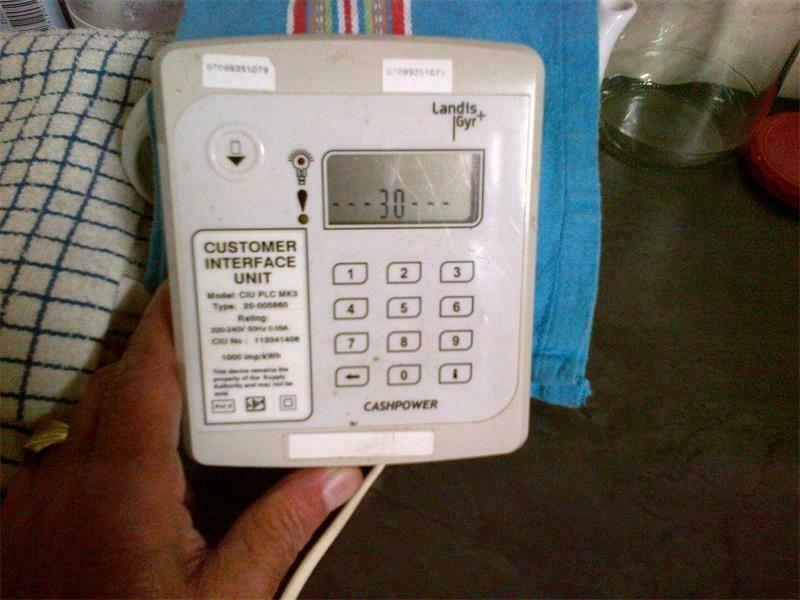
Tshwane metro has launched a comprehensive upgrade of its prepaid meter system, starting ahead of schedule in Region 1 wards 2, 4 and 98.
This proactive measure is part of a city-wide initiative to transition from existing Standard Transfer Specification (STS-1) meters to the new STS-2 complaint meters before the current system’s expiration date of November 24.
The metro has allocated R75-million to this critical upgrade to ensure continuous electricity supply and to avoid potential disruptions for residents.
The urgency of this upgrade arises from the impending exhaustion of the unique codes generated by the current prepaid metering software.
The software, which creates credit tokens for prepaid electricity meters, is set to stop generating codes as the available numbers are running out.
This situation necessitates the conversion of all existing meters to the new STS-2 standard to maintain functionality beyond the November deadline.
Tshwane Mayor Cilliers Brink emphasised the importance of the upgrade.
“Prepaid meters, which are not reconditioned, will cease functionality as new tokens generated will not work on them, stopping the dispensing of electricity,” said Brink.
The metro initiated the rollout process last month in Region 2 and is now accelerating the transition to the new system across all regions.
“The reconditioning of prepaid electricity meters will occur when consumers purchase electricity.
The receipt or message received during the transaction will have two key changes required to transition the meter to STS-2,” said Brink.
Brink noted that while the process is designed to be seamless, a dedicated support team is available to assist with any technical challenges that may arise.
“If you cannot change over using the system or face any technical challenges, a team has been deployed and will assist all residents free of charge.
The upgrade team will also inspect for any illegal connections during this process.
This move aims to enhance the integrity of the metro’s electricity infrastructure and ensure compliance with legal standards,” he assured.
Metro spokesperson Selby Bokaba reiterated the necessity for all prepaid meter software in the metro to be updated to STS-2 compliance.
“Non-compliant prepaid meters must be replaced before November 24 and the updating of the software will configure the meter.
Any old credit tokens generated or purchased before November and not used by the transition date would be rejected, with no refunds issued,” said Bokaba.
Ward 2 councillor Quentin Meyer said the software upgrades are a step in the right direction.
“Though it is a huge admin for us as people are asking many questions and struggling with the upgrades, we need to adapt to the new systems so that things can be easier for us in the future,” said Meyer.
Meyer said residents must comply and follow all instructions during this time.
The MMC for Utilities Themba Fosi urged residents to avoid illegal connections and emphasised that the field service officials would be checking all meters for compliance.
He also advised residents facing billing issues to contact the metro for appropriate arrangements, warning field service officials against accepting bribes or reconnecting clients illegally.
Mynhardt Ferreira, the senior project manager for the TID rollover, expressed confidence that the meters would be upgraded before the November 24 deadline.
“The project is expected to last for five months – meaning the target date is October 31,” he said.
Ferreira added that the new STS-2 system would be functional for the next 30 years, explaining that the current meters were working on an algorithm from 1993, which understood STS-1 tokens, but those numbers are now running out, necessitating the switch to STS-2.
The National Treasury has emphasised the importance of this upgrade, urging all municipalities to prioritise their budgets to accommodate the STS prepayment token identifier and related transversal tenders.
Failure to re-prioritise the proposed budget could lead to significant financial consequences, including the withholding of the 2024/25 Local Government Equitable Share (LGES) starting with the July 2024 tranche.
As Tshwane undertakes this extensive project, residents are encouraged to stay informed and participate actively in the transition process.
“The metro’s efforts to upgrade its prepaid meter system underscore its commitment to providing reliable and efficient services to its communities, ensuring that all residents have access to an uninterrupted electricity supply.”
ALSO READ: Relocation of Mams flood victims to Pienaarspoort land by November – MMC
Do you have more information about the story?
Please send us an email to bennittb@rekord.co.za or phone us on 083 625 4114.
For free breaking and community news, visit Rekord’s websites: Rekord East
For more news and interesting articles, like Rekord on Facebook, follow us on Twitter or Instagram