Experts offer tips as heatwave looms in Pretoria
Learn about tips on how to stay safe during heatwaves.
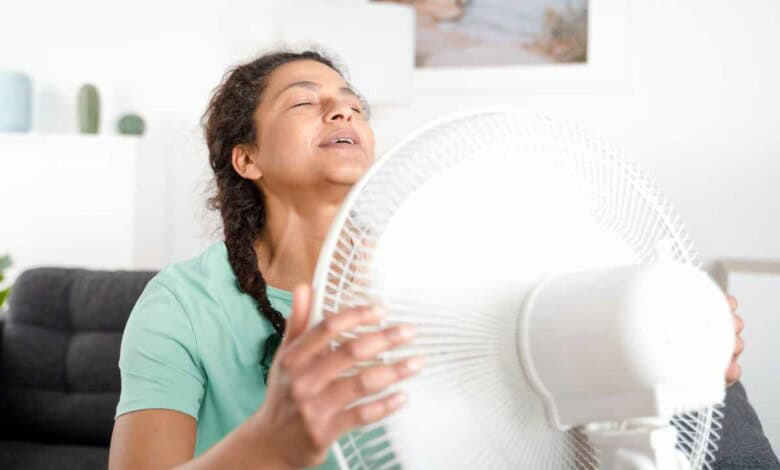
Experts have warned that residents of Pretoria will face extreme heat during October and November.
As the heat poses health risks the South African Weather Service (Saws) has issued a heatwave warning for parts of the country over the weekend.
According to the Tshwane metro Emergency Services spokesperson Lindsay Mnguni, Saws predicted that heatwaves would persistently affect the capital city.
Mnguni advised residents to plan ahead and take necessary precautions to stay safe during this period.
Tips when facing a heatwave:
Mnguni said staying cool and hydrated is crucial during a heatwave.
“Locals must not leave out dangerous chemicals and exposed wires in hot temperatures.”
He further warned locals to be aware that a high temperature aids easy and quick spread of fires.
“We urge residents to stay informed, stay hydrated, and stay cool,” said Mnguni.
The SAWS warned that heat stroke can be fatal if medical attention is not available immediately.
“Avoid prolonged direct exposure to the sun as much as possible, and drink plenty of water. Limit strenuous outdoor activities, find shade, and stay hydrated. Never leave kids in the car unattended. Make sure your animals have access to enough water.”
It furthermore said it’s important for individuals to take appropriate measures to ensure their safety and to stay informed about any weather alerts.
It also advised the public to keep their bodies cool by wearing light and loose-fitting clothes, drinking water regularly, and staying in shaded areas.
“The heatwave may cause heat exhaustion or heat stress to animals and people, heat stroke, faintness and dehydration.”
According to the United Nations Children’s Fund (Unicef), locals should be informed about the weather forecast, keep an emergency kit at home, and know how to get help in case of an emergency.
“The emergency kit should contain essential items such as oral rehydration salt packets, a thermometer, water bottles, towels or cloths for cooling, a handheld fan or mister with batteries, and a checklist to identify and treat symptoms of heat stress.”
Unicef advised people to drink water regularly throughout the day even before feeling thirsty.
It said wearing light, loose clothing (preferably cotton) can help reduce heat rashes and absorb sweating.
“It is also essential to stay indoors during the hottest parts of the day and seek shade when outside,” said Unicef.
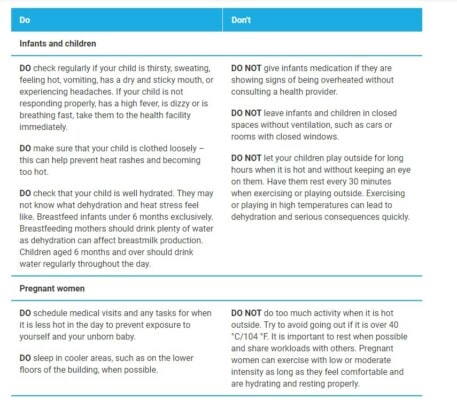
“Children and pregnant women are particularly vulnerable to heat-related illness.”
Unicef advised parents and caregivers to monitor their children’s health closely, checking for signs of thirst, sweating, feeling hot, vomiting or headaches.
It stated that infants under six months should be breastfed exclusively while children aged six months and older should drink water regularly throughout the day.
“Pregnant women should schedule medical visits and tasks during cooler parts of the day and avoid excessive activity when temperatures exceed 40°C,” stated Unicef.
“Severe symptoms of heat stress require urgent medical attention.”
It added that when a family member exhibits symptoms such as confusion, seizures, loss of consciousness or severe headache, an ambulance or other transport must be arranged to take the patient to a health facility immediately.
Unicef has also emphasised the importance of taking proactive measures to protect children and families from the dangers of heatwaves.
Heatwave safety tips by Unicef:
What is a heatwave?
A heatwave is when the temperature is higher than normal for several days in a row. Humidity can cause it to feel much hotter.
What causes a heatwave?
Heatwaves result from warm air being trapped in the atmosphere and are a natural weather phenomenon. Heatwaves are increasing in intensity and frequency due to climate change, resulting from greenhouse gas emissions, that trap heat for longer.
Who’s most at risk during a heatwave?
Too much heat is dangerous for everyone but infants, children, pregnant women and the elderly are most vulnerable to heat stress.
Too much heat can be more dangerous for babies and children than for adults, and dehydration in children can be dangerous or even deadly. Children’s bodies have more trouble regulating temperature than those of adults, and they rely on adults to help protect them from heat.
Pregnant women are at greater risk as well. Too much heat and dehydration can put the baby at higher risk of low birth weight, early birth and even stillbirth. Pregnant women themselves can be negatively affected and go into early labour, as well as develop gestational diabetes and hypertension.
How to treat heatstroke and heat-related illnesses
Take the following steps to help your loved one cool, rehydrate and recover:
– Cool off and rush to a health facility if severe
– Reduce temperature
– Rehydrate
Also Read: Heatwave set to hit Pretoria: Temperatures soar to 37°C
Do you have more information about the story?
Please send us an email to bennittb@rekord.co.za or phone us on 083 625 4114.
For free breaking and community news, visit Rekord’s websites: Rekord East
For more news and interesting articles, like Rekord on Facebook, follow us on Twitter or Instagram