Tshwane approves overhaul of electricity distribution business
MMC for Utility Services is hopeful that this strategy will see Tshwane meeting its energy needs, energy transition and improve revenue.
Tshwane is moving towards improving its electricity distribution to usher in a new era of efficiency, increase revenue and reliability, as well as reduce electricity losses, according to the MMC for Utility Services.
On October 31, the Tshwane council approved a turnaround strategy for energy and electricity trading services.
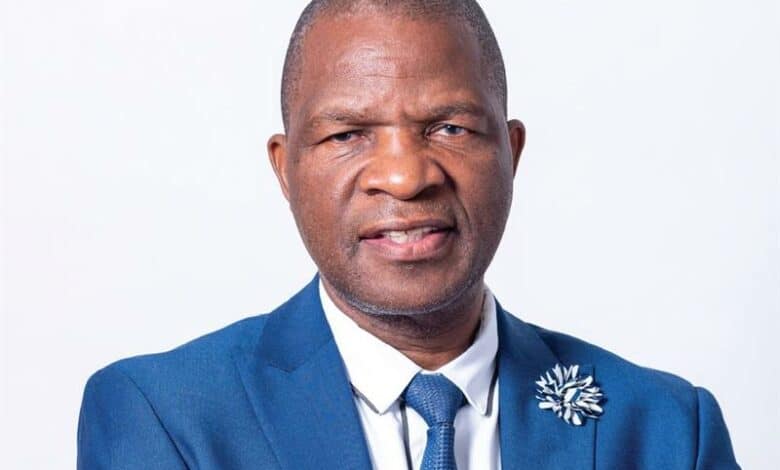
MMC for Utility Services Frans Boshielo said this strategy will ensure Tshwane meets its energy needs and energy transition as well as improve revenue.
“This turnaround strategy aims not only to improve the financial stability of the Energy and Electricity Department but also to reduce electricity distribution losses, increase revenue and upgrade electricity infrastructure to ensure a more reliable and secure energy service.”
He said Tshwane is on a new path to excellence in the provision of energy and electricity.
“The key initiative is to ensure energy security and stability, enhance service delivery and set Tshwane on a sustainable path for the future.”
Boshielo said the key element of the strategy is to create a single energy and electricity business that is accountable.
He said the strategy also aims to ring-fence the energy and electricity business to ensure it is robust, transparent and operational.
“By ring-fencing these crucial accounts, the metro is not only reinforcing the transparency and accountability of its financial management systems but also establishing the foundations for more robust decision-making, strategic planning, and resource allocation. This will ultimately enhance the delivery of high-quality, reliable, and sustainable energy services to the city’s residents and businesses.”
He said the development and implementation of the turnaround strategy for electricity trading services will significantly enhance customer service.
“This means laying the groundwork for the implementation of cost-reflective tariffs for the 2025/26 financial year in line with the cost of supply study to drive efficiency and innovation.”
“As the MMC for Utility Services and the political champion of this initiative, I am committed to overseeing the rollout of this strategy. I will play an active role in holding stakeholders accountable and engaging regularly with the community, sharing the progress and strategic importance of these reforms.”
He said the engagements would keep the public informed, build support for the plan as well as reinforce the administration’s dedication to transparency and service excellence.
“The energy and electricity business, set to launch in June 2025, will further drive efficiency and effectiveness within the department, focusing on improved operations and enhanced service delivery for Tshwane residents,” Boshielo said.
In September, Tshwane was commended for its policy on small-scale power generation.
This was lauded as a step to bringing surplus power into its grid by creating an opportunity for residents to use their solar panels to generate electricity and then sell their surplus to the municipality.
Metro spokesperson Lindela Mashigo said the policy allows ordinary consumers to install generate systems capable of feeding into the city grid.
He said customers who sell their surplus generation would be paid according to the approved city scale.
Tshwane approves a turnaround strategy for Energy and Electricity Trading Services Reforms pic.twitter.com/8qGf1AkLzH
— City of Tshwane (@CityTshwane) November 6, 2024
Do you have more information about the story?
Please send us an email to bennittb@rekord.co.za or phone us on 083 625 4114.
For free breaking and community news, visit Rekord’s websites: Rekord East
For more news and interesting articles, like Rekord on Facebook, follow us on Twitter or Instagram