NGO uses sign language to teach breast cancer awareness
Factors such as UV lighting, genetics, and poor lifestyle choices increase your risk of contracting breast cancer.
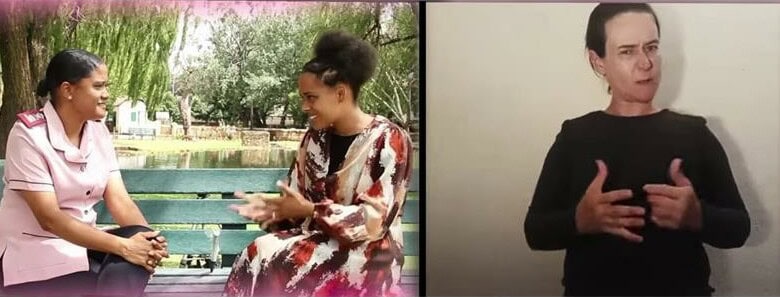
The Ability Hub SA recently released a breast cancer awareness video that aims to educate non-hearing residents about the disease.
The NPO’s co-founder Zena Forbes sat down with local professional nurse Lynn-Rae Hartell from the Kameeldrift Clinic in Silverton to hash out some of the need-to-knows regarding cancer.
The organisation hosted a cook-off on September 29 between hearing and non-hearing contestants at the clinic with the aim to bridge the gap between hearing and non-residents in the metro and beyond.
According to Hartell, factors such as UV lighting, genetics, poor lifestyle choices (excessive alcohol, tobacco, exposed foods) and exposure to pathogens, among others, can increase your risk.
“It is therefore important to screen early. We speak about cancer, we always push the message of early detection and the importance of regular screenings. We have a lot of screenings because we have a lot of different types of cancers. We have for example prostate screenings for mainly men and cervical (or pap smear) screenings for women, but breast cancer is one of the most common killers of not just women, but men as well,” Hartell said.
She said residents should be well-versed in breast cancer detection and not only pay attention to the more common signs.
“People tend to think of only the lump, that is what we’ve been conditioned to think of, when we have other signs as well. These can include abnormal changes to the lymph nodes around the breast; a lot of times it can be under the armpit. We can find a change in the colour of the entire breast, we call it orange peel. You also find abnormalities in the nipple such as nipple retraction or nipple discharge, or changes in the size of the breasts,” she explained.
“But if you have a lump, go get it checked out.”
Hartell said the earlier the cancer is detected, the more likely that treatment would be effective. The longer you wait, the more at risk you are of dying.
Hartell also explained the most common ways to conduct a self-breast examination.
The first includes lying flat on your back or standing up straight in front of a mirror.
“If you are going to examine your left breast, you’re always going to use your right hand and if you’re going to do the right breast, you’re always going to use your left hand.
“For the left, place your left hand over your head to expose the breast more. Use the flat side of your hand, not your fingers to go around the breast in a circular motion till you reach the nipple and vice-versa for the other side. It takes five minutes, it’s free and you should do it at least once a month,” Hartell said.
Anyone can be susceptible to cancer, regardless of age, race, gender, or genetics. For women, having a child after 30 can increase their risk and it is important to check after their menstrual cycle. Being obese is also said to be a risk factor.
Watch here:
Do you have more information about the story?
Please send us an email to bennittb@rekord.co.za or phone us on 083 625 4114.
For free breaking and community news, visit Rekord’s websites: Rekord East
For more news and interesting articles, like Rekord on Facebook, follow us on Twitter or Instagram