Sterilisation Day: Several initiatives assist both people and animals
An animal welfare organisation believes that a lack of funds and transport often are obstacles on the road to having animals sterilised. They made a plan to make it easier for owners to have their pets sterilised.
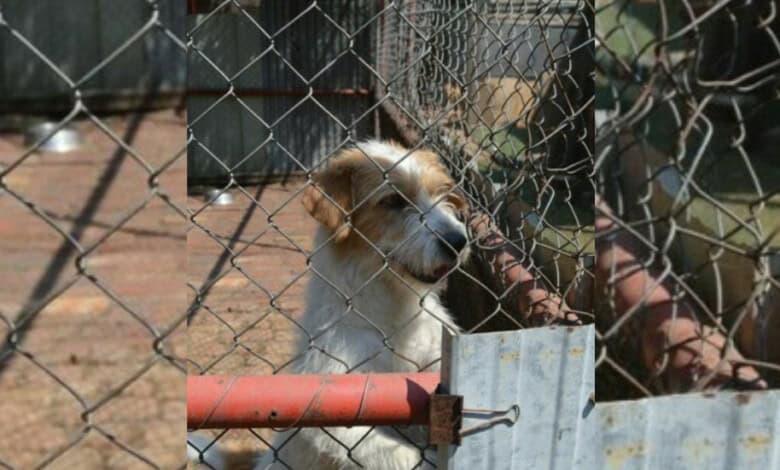
Every year, a day is dedicated to making everyone aware of the benefits of sterilising dogs and cats.
This year, that day falls on February 25.
On World Sterilisation Day, animal welfare organisations emphasise the critical importance of sterilising pets and improving animal welfare.
Dorette Smit, an animal welfare worker from the north of Pretoria at registered NPO, Pawesome Wacky Whiskers: Rescue and Rehoming, believes sterilisation is of critical importance.
The organisation hosts animal outreach programmes in collaboration with the Kruin Veterinary Clinic including sterilisations, vaccinations and veterinary treatment for underprivileged families.
Smit and her team have designed a special payment plan to help these families.
“I believe 90% of underprivileged people would like to sterilise their pets. They don’t necessarily have the funds or transport to do so. We help Sassa-registered individuals, as well as households earning less than R15 000 a month (jointly as a household) with special prices to sterilise their animals,” she said.
“We also offer payment terms or lay-by options whereby they can pay back the money as it suits them on a monthly basis. We will never be unreasonable. We introduced this option because we strongly feel that you should still take responsibility for the welfare of your pet.
“There are some cases where a family has no breadwinner and doesn’t receive Sassa funding. We help these families for free,” Smit explained.
During the winter of 2024, Smit’s organisation together with two others, started a winter cat sterilisation project that was open to the public. The charges were R200 to sterilise a cat, payable by the owner.
“Over 1 000 cats were sterilised during this time. With this project, we were trying to see if fewer unwanted kittens could be born. It did have an impact, with us getting fewer requests to accept kittens after the peak kitten delivery season. We currently have a Sassa and low-income sterilisation project in co-operation with two other organisations. We are fully booked already,” she said.
On average, sterilising a male cat normally costs more or less R1 200 and R1 750 for a female cat. For dogs, it is on average R1 800 to R2 250 for a male and R2 360 to R 3 450 for a female.
Factors affecting these charges include the pet’s age and size, the procedure that has to be carried out and the weight of the females.
She believes regulation can play a big role in preventing unsterilised animals from giving birth to litters of kittens or puppies.
“Currently, there is no legislation in Tshwane making it compulsory for unregistered animals to be sterilised. It’s a problem.”
Smit is grateful for the assistance of Werna Venter and her NPO combatting rabies, the Carlie Red Flag Rabies Awareness. Thanks to their assistance, Smit could vaccinate all the animals that were brought for sterilisation from the Zambilife feral cat colonies against rabies.
Venter said the prevention of stray animals and combatting rabies go hand in hand.
“With thousands of lost and abandoned animals entering shelters across South Africa, sterilisation and vaccination against rabies are critical steps in managing animal populations and preventing unnecessary suffering,” Venter said.
Antoinette van der Merwe of Sterrewag Ferals in Waterkloof strongly believes that sterilisation is essential for both feral and domestic cats.
“Our main aim with our feral cat colonies is to capture the animals, to sterilise them and return them to these colonies to break the breeding cycle and manage the population. This is how we can reduce the amount of feral cats,” Van der Merwe said.
She explained that small cuts are made in the ears of feral cats that have been sterilised.
With these cuts, a small part of the tip of the ear is surgically removed. This is a visual marker indicating that the cat has been sterilised, usually as part of a care programme for community cat colonies and feral cat colonies. It is a universally recognised sign that the cats need not be removed to be sterilised again.
She said there are many health benefits in sterilising feral cats.
“It stabilises and reduces the size of colonies. For these cats, it also reduces the risk of euthanasia. Feral cats cannot be resettled with owners. They are often put down after ending up at shelters. Unneutered males often fight, leading to serious injuries which are difficult to treat within the colony and the biting and scratching also spread disease. Sterilised colonies are also quieter due to there being no mating season. Sterilisation also reduces the risk of certain cancers among cats such as testicular cancer,” she explained.
Do you have more information about the story?
Please send us an email to bennittb@rekord.co.za or phone us on 083 625 4114.
For free breaking and community news, visit Rekord’s websites: Rekord East
For more news and interesting articles, like Rekord on Facebook, follow us on Twitter or Instagram or TikTok.