Only 3% of Tshwane spaza shop applications approved due to backlog
Many of the applications received need additional documentation or verification from SARS and the National Department of Home Affairs.
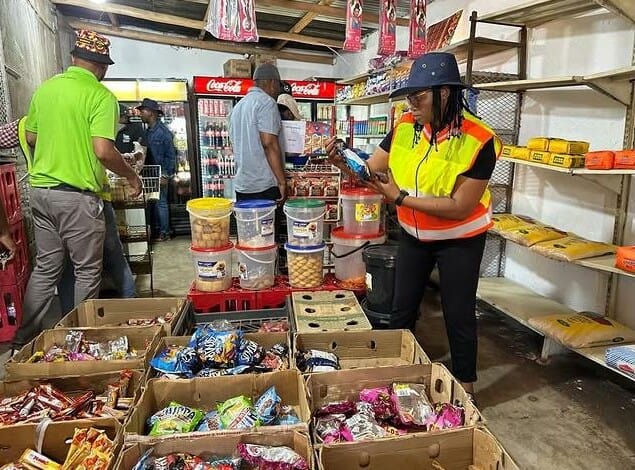
Out of the 5 885 spaza shop applications received by the Tshwane metro since November last year, only 179 have been approved so far.
The registration process, which concluded on February 28, was initiated in response to a directive from President Ramaphosa, which required all spaza shops and food-handling businesses to register with their municipality.
The MMC for Economic Development and Spatial Planning, Sarah Mabotsa, announced that many of the applications received by the metro are still pending due to the need for additional documentation or verification from SARS and the National Department of Home Affairs.
She noted that the metro is committed to reviewing these applications thoroughly and urged for patience as the process unfolds.
“I ask that residents and the public remain patient as our teams undertake their work of reviewing and verifying the submitted documentation.”
Mabotsa added that 18% out of the 179 applications that have already been approved were granted to legal foreign nationals.
She revealed that most of the applications submitted were from South African citizens, while over one-third of these applications were by women-owned businesses.
The MMC has expressed gratitude to the thousands of business owners who participated in this initiative.
“I thank the thousands of residents of Tshwane who have complied with the President’s instruction to register.”
She stated that the registration was crucial to ensuring compliance with local by-laws and national legislation.
“The informal economy is a key sector for enabling growth and job creation.
“The registration also importantly serves to inform our residents that the businesses are safe and law-abiding,” she said.
Mabotsa emphasised that those who did not register can still apply via the metro’s online registration page.
However, she cautioned that these individuals are deemed to be non-compliant with the directive of President Ramaphosa and may face penalties, including fines or potential closure of their businesses.
“Businesses that applied within the directed registration period will receive priority attention for their applications.”
In addition to the registration efforts, Mabotsa highlighted the R500-million funding announced by the National Government, aimed at supporting spaza shops and food-handling businesses.
This funding will assist in improving regulatory compliance, providing training, and facilitating access to essential equipment.
During a media briefing in Hatfield on March 2, Small Business Development Minister Stella Ndabeni-Abrahams also announced that a six-month non-financial support programme will be offered to businesses that have applied but are not yet fully compliant.
“Over the next six months we will be supporting these spaza shops with non-financial assistance to enable their successful registration and compliance because we understand the difficulties and costs associated with becoming compliant,” said the minister.
GAUTENG FINAL UPDATE ON SPAZA SHOP AND FOOD-HANDLING FACILITIES REGISTRATION PROGRAMME
As of the 28th of February 2025, the total number of applications for the registration by spaza shops and food-handling facilities across the Gauteng Province is 17 617. This includes 7107… pic.twitter.com/7sBv5b4m1k
— Lebogang Maile (@LebogangMaile1) March 2, 2025
Do you have more information about the story?
Please send us an email to bennittb@rekord.co.za or phone us on 083 625 4114.
For free breaking and community news, visit Rekord’s websites: Rekord East
For more news and interesting articles, like Rekord on Facebook, follow us on Twitter or Instagram or TikTok.