Correctional Services and NSPCA to improve animal welfare on agricultural farms
The National Commissioner of Correctional Services Makgothi Thobakgale says the humane treatment of animals is a priority for the department and will take decisive steps to improve the conditions.
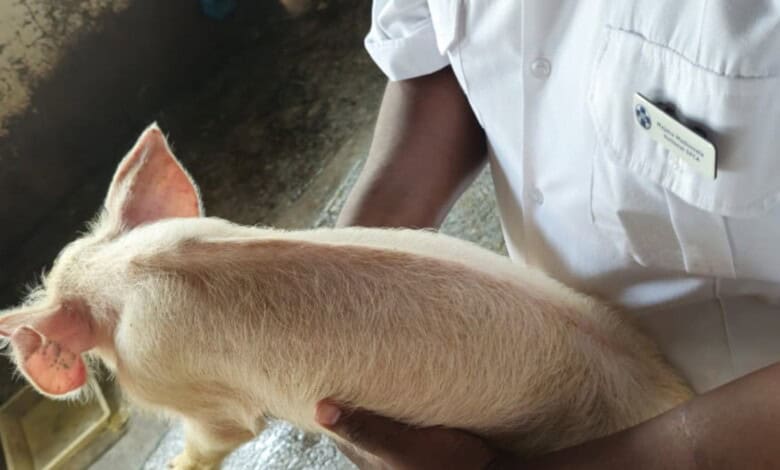
The Department of Correctional Service (DCS) and the NSPCA have put their hands and heads together to address concerns related to the conditions of animals housed on agricultural farms managed by correctional services.
This comes after the National Council of Societies for the Prevention of Cruelty to Animals issued warnings about animal welfare standards at some of the DCS agriculture farms.
These farms are part of the correctional facilities that use agriculture as a rehabilitation tool for inmates, where they engage in farming activities.
NSPCA has raised concerns about the conditions in which some animals were kept.
The DCS has reaffirmed its commitment to taking decisive steps to improve the conditions for animals under their care.
The National Commissioner of Correctional Services Makgothi Thobakgale said the humane treatment of animals is a priority for the department.

“We appreciate the concerns raised by the NSPCA and value their expertise in ensuring the humane treatment of animals.
“DCS remains committed to making the necessary improvements and working closely with the NSPCA to uphold high welfare standards,” said Thobakgale.
The NSPCA previously held inspections at various facilities, including the Baviaanspoort Correctional Centre in Pretoria and discovered that livestock and other animals across 21 agricultural correctional centres are starving.
The cause was faulted on alleged severe feed shortages due to stringent cost-containment measures.
Among the animals listed to be suffering are pigs, cattle, poultry, horses used by mounted units, and dogs in the department’s canine units.
These animals, whose care is part of the correctional system’s responsibility, are now allegedly facing daily challenges due to budget cuts that have drastically reduced their food supply.
At Baviaanspoort Correctional Centre, the situation is particularly concerning, said the NSPCA in a statement.
According to the NSPCA, the centre currently houses around 1 500 pigs, but the animals have only been receiving a diluted mixture of feed once a day, instead of their usual two species-specific meals.
Among the improvements will be both short-term fixes and long-term structural upgrades.
While some of the challenges, particularly those related to infrastructure on ageing farms, will require more time to address, the department has already taken action to ensure the immediate well-being of the animals.
CEO of the NSPCA Marcelle Meredith said, “The NSPCA acknowledges the steps taken by the Department of Correctional Services in addressing our animal welfare concerns.
“We are committed to working together to ensure sustained improvements in the welfare of animals on these farms.”
The NSPCA has offered its support through training initiatives aimed at enhancing the skills and knowledge of the DCS staff responsible for the care of animals.
This training will focus on improving day-to-day care, implementing best practices, and ensuring that proper welfare standards are consistently maintained across all correctional farms.
Do you have more information about the story?
Please send us an email to bennittb@rekord.co.za or phone us on 083 625 4114.
For free breaking and community news, visit Rekord’s websites: Rekord East
For more news and interesting articles, like Rekord on Facebook, follow us on Twitter or Instagram or TikTok