Metro called on to deal with lessees that have run up R57-million debt
Commercial lessees, including sport clubs, owe the metro nearly R2,4-million in outstanding rent, while residential lessees are R55-million overdue.

Commercial and residential lessees owe the Tshwane metro an amount exceeding R57-million, due to failure to settle their rental payments.
This was revealed in a report to the Corporate and Shared Service Oversight Committee recently on the leasing of Tshwane properties, and this has prompted strong criticism from opposition parties.
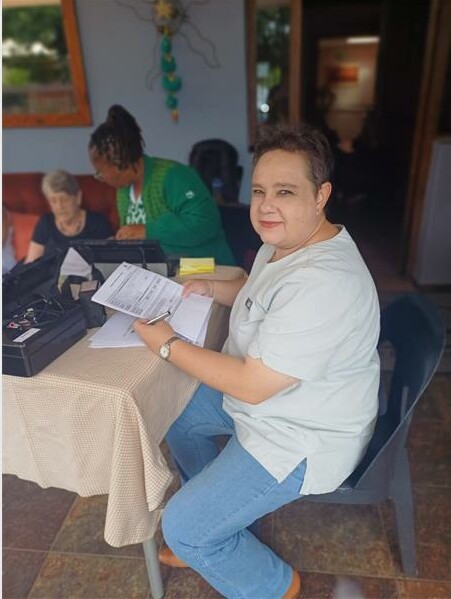
FF Plus councillor Mari Joubert said it is unacceptable that those who lease commercial or residential properties from Tshwane owe millions.
“Commercial lessees, including sport clubs, owe the metro nearly R2.4-million in outstanding rent, while residential lessees are R55-million overdue,” Joubert said.
Joubert said lessees owe the metro a whopping R57.5-million for the first quarter of the 2024/2025 financial year.
She said the municipality is clearly not following the steps needed to hold these lessees accountable.
“Only 52% of the fees have been collected,” she said.
Joubert emphasised that if appropriate action is not taken at once, the debt may need to be written off.
“It is, furthermore, also unacceptable that the overdue lessees are still occupying the respective premises.”
She added that the Freedom Front Plus demands that action be taken against the lessees and the officials who fail to do their job properly.
Metro spokesperson Lindela Mashigo said the city takes a comprehensive approach to recovering lease debt, ensuring both fairness and efficiency.
Mashigo said the city will not be negotiating leases with defaulters, but will proceed with contract enforcement, credit control and debt collection activities, including termination of leases and eviction defaulters.
“The city’s efficient processes are designed to bring about timely resolutions. Direct communication is initiated with the lessees by issuing final demands on accounts without payment 14 days after issuing an invoice.”
“This is in line with the city’s credit control and debt collection policy,” said Mashigo.
He said within 30 days of getting no response, the city reaches out to the lessee with a second final notice to discuss the overdue amount, explore payment options, and negotiate a payment plan not longer than 24 months.
Mashigo explained that the leasing of city owned properties is governed by the Municipal Finance Management Act Asset Transfer Regulations and the City of Tshwane Land Management policy, and these are being enforced effectively.
“The city’s collection strategy is effective by interacting with debtors through multiple channels such as email, SMS, phone calls, and outreach programmes to improve response rates and payment compliance.”
Mashigo said after 90 days, unresolved debt is typically handed over to collection agencies.
“The agencies specialise in debt recovery and will continue with the collection process on our behalf.”
He said Tshwane is advising lessees struggling to pay their rent to negotiate a payment arrangement with the metro. He added that the city will balance its needs for revenue as well as that of the lessee within the confines of the signed lease agreement.
Do you have more information about the story?
Please send us an email to bennittb@rekord.co.za or phone us on 083 625 4114.
For free breaking and community news, visit Rekord’s websites: Rekord East
For more news and interesting articles, like Rekord on Facebook, follow us on Twitter or Instagram or TikTok.