Tshwane launches debt-relief programme to boost revenue collection
The programme will not just benefit customers who are struggling to repay their debt but also paying clients.
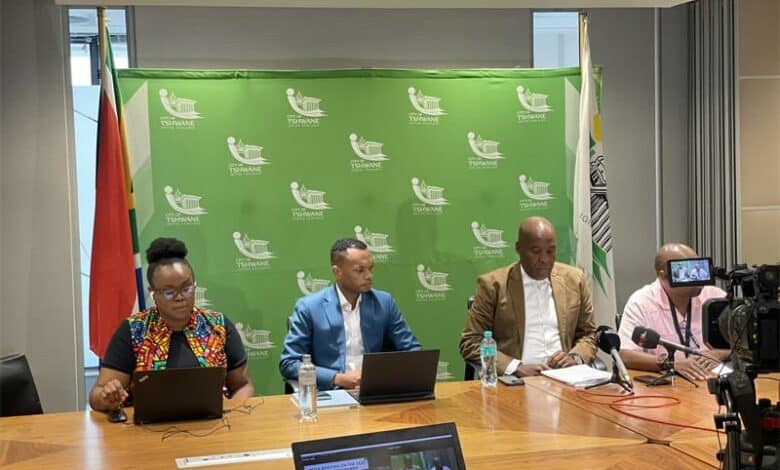
Tshwane has introduced a new debt-relief programme aimed at assisting its municipal customers bring their accounts up to date.
This initiative comes as a response to both the growing concern over illegal electricity connections and the substantial debt owed to the metro by various sectors, including government, businesses, and residential customers.
Deputy Mayor Eugene Modise said this programme is important as it will serve not only as an incentive to increase revenue collection but also as a way to provide much-needed financial relief to the metro’s residents and businesses.
The programme, which was officially launched on February 27, is part of the broader strategy aimed at tackling the metro’s revenue collection issues.
Currently, the metro revenue collection rate is at 90%, slightly below the National Treasury’s required threshold of 95%.
The gap between these figures translates into a staggering R30-billion in outstanding debt, an amount that severely hampers the metro’s ability to deliver essential services efficiently.
“The financial challenges that many residents and businesses face cannot be ignored.
“This debt-relief programme is designed to help ease the burden, encourage compliance, and ultimately ensure that the metro can meet its financial obligations to improve service delivery,” said Modise.
The programme offers multiple incentives to residents with outstanding debt.
If you settle municipal debt that has been incurred within the last two years in full, the City will write off any outstanding debt older than two years. The necessary documentation must be submitted to the Deceased Estate Section for Approval. @CityTshwane pic.twitter.com/rlNIa9blyZ
— Eugene Modise (@eugene_modise) March 18, 2025
Modsise said residential customers who settle their municipal debt for the past 12 months in full will qualify for a 70% debt write-off.
The remaining 30% will be payable under a structured payment plan, according to the metro credit control and debt collection policy.
He said for those whose debt has been accumulating for less than 12 months, a 100% interest write-off is offered, provided the principal debt is paid in full.
The programme also includes a unique incentive for residents who maintain up-to-date accounts.
Modise said these customers will receive a 25% discount on entry fees to various metro-owned recreational facilities.
“Businesses that settle three years’ worth of municipal debt in full will be eligible for a 100% debt write-off on any amounts older than three years.
“For businesses that owe for less than three years, paying off the principal debt will result in a 100% interest waiver,” he said.
Modise said one of the more innovative aspects of this programme is the provision of amnesty to customers who voluntarily self-report meter tampering.
He said residents who come forward will qualify for a tamper-free waiver, provided they agree to the installation of a new meter and protective device.
The amnesty is limited to the period ending on March 31.
“Illegal connections have cost the metro millions. This amnesty programme is an opportunity for residents to come forward and fix the issue without the fear of heavy penalties.
“We believe it will go a long way in reducing electricity theft and improving the municipality’s overall revenue collection.”
The metro has also completed a process of re-evaluating properties for levying property rates.
The new tariffs will take effect from July 1 and property owners have until May 2 to inspect the new valuations and lodge objections if necessary.
“This is a crucial time for Tshwane and the programme is just the beginning of our efforts to rebuild trust in our metro.”
FF Plus councillor Peter Meijer previously said the proposal was fundamentally unfair to the residents who have paid their bills.
Meijer said by forgiving the debt for defaulters and offering a 70% discount to those who settle their overdue accounts, loyal payers are being punished while non-payers are rewarded.
He believed that this sent the wrong message and could lead to a culture of non-payment becoming entrenched in the community.
Do you have more information about the story?
Please send us an email to bennittb@rekord.co.za or phone us on 083 625 4114.
For free breaking and community news, visit Rekord’s websites: Rekord East
For more news and interesting articles, like Rekord on Facebook, follow us on Twitter or Instagram or TikTok.