Revenue losses spark call for improved wastewater management in Tshwane
Chairperson of the Section 79 Integrated Development Planning Committee, Debrye Williams-Moses says not utilising the sludge is a missed opportunity which they could capitalise on.
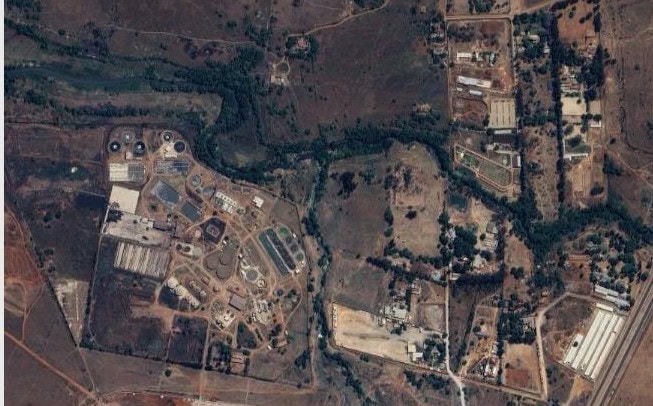
The Tshwane metro is currently exploring innovative solutions to enhance its wastewater treatment operations in the city.
This comes after an oversight visit led by the chairperson of the Section 79 Integrated Development Planning Committee, Debrye Williams-Moses to the Sunderland Wastewater Treatment Plant in the southern part of the city.
The facility plays a crucial role in servicing areas including Centurion, Erasmia, and the neighbouring Midrand area through a memorandum of understanding (MOU) aimed at providing effective wastewater treatment for the municipality.
During the visit, Williams-Moses highlighted the significant revenue losses incurred by the city due to the absence of formal and official agreements for the sludge waste that the plant produces.
“This seems to be a challenging and noticeable problem at most treatment plants,” she said.
IDP SECTION 79 CHAIRPERSON CONDUCTS OVERSIGHT VISIT TO SUNDERLAND WASTEWATER TREATEMENT PLANT.@CityTshwane pic.twitter.com/tewP6kdeah
— Cllr Mncedi Ndzwanana, Speaker of City of Tshwane (@TshwaneSpeaker) March 18, 2025
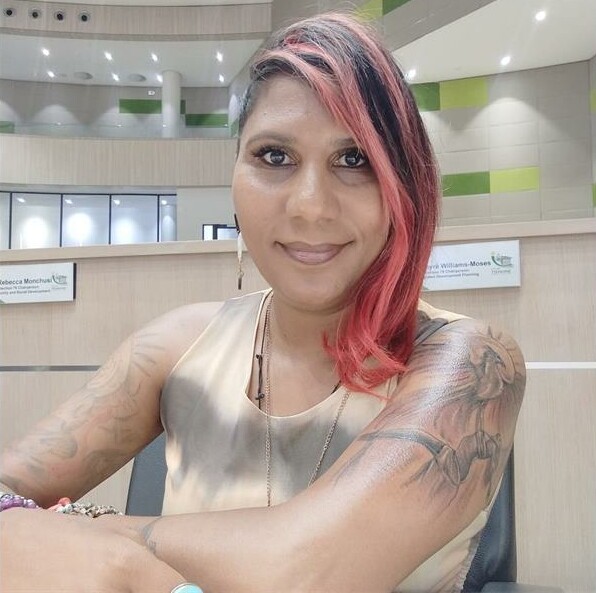
Image: Supplied
Williams-Moses explained that the lack of formal agreements impacts the metro’s finances.
“Currently the non-existence of formal MOUs for the sludge by-product at this facility results in revenue losses for the city, which is a priority for the Section 79 Oversight Committee to remedy.”
She added that it also represents a missed opportunity for the metro to utilise the sludge in its local parks and recreational areas, which could help enhance community spaces while generating additional income.
“As the committee, we are responsible for the provision of oversight services in the city in support of the ignite excellence vision adopted by the city.
“We are also primarily responsible for overseeing the provision of professional public service that drives accountability and transparency in the city,” said Moses-Williams.
In response to these challenges, the committee is currently investigating the potential of converting methane gas, a by-product of the sludge extraction process, into a renewable energy source.
The chairperson noted that this initiative aims to power parts of the treatment plant, thereby reducing reliance on traditional energy supplies.
“Our efforts are built upon a previous feasibility study conducted under the leadership of my predecessor, which suggested that such renewable energy solutions could be rolled out to other plants across Tshwane.
“This would help the metro to improve its operational efficiency and also align with broader environmental goals.”
She emphasised that the committee is dedicated to exploring all avenues that can ensure the metro delivers on its mandate.
She added that they aim to ensure accountability and transparency of all the investments, assets and facilities to contribute to the Igniting Excellence vision as adopted by the metro.
ALSO READ: Police arrest six after discovery of guns, ammo in taxi
Do you have more information about the story?
Please send us an email to bennittb@rekord.co.za or phone us on 083 625 4114.
For free breaking and community news, visit Rekord’s websites: Rekord East
For more news and interesting articles, like Rekord on Facebook, follow us on Twitter or Instagram or TikTok