UP professor to chair UN Hub
Professor Hettie Schönfeldt was selected after a rigorous process, during which more than 330 applications from higher education institutions around the world were reviewed.
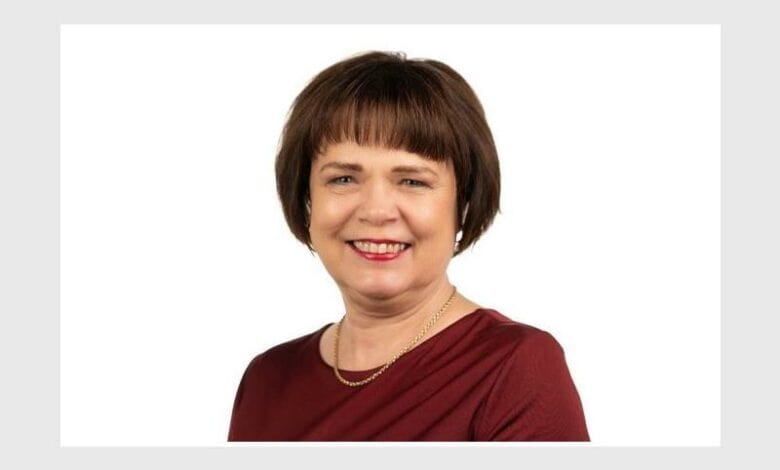
A University of Pretoria professor has been appointed Hub Chair to the United Nations Academic Impact Sustainable Development Goal 3 (UNAI SDG 3) – Good Health and Well-Being.
Professor Hettie Schönfeldt is chair of the South African Research Chairs Initiative (SARChI) in Nutrition and Food Security at UP and professor at the Natural and Agricultural Sciences, and Health Sciences faculties.
She is a member of the UN high-level panel of experts on food security and nutrition of the Food and Agricultural Organisation and was elected in October 2024 to serve on the World Health Organization’s food-based dietary guideline group.
She was selected after a rigorous process, during which more than 330 applications from higher education institutions around the world were reviewed.
According to the UN, UP was selected for “its leadership role in promoting health management and sustainable food systems across Africa”.
Schönfeldt will serve a three-year term, until December 2027.
“Since the Covid-19 pandemic, the world has not been doing well in delivering on SDG 3,” said Schönfeldt.
“The main reason for this is that the price of healthy food – including fruit, vegetables and animal-sourced protein – is extremely high, and the consumption of carbohydrates and fast food has concurrently sky-rocketed,” she added.
Schönfeldt said the food price hikes have led to many more people suffering from malnutrition and non-communicable diseases such as diabetes, heart disease, high blood pressure, cancer and obesity.
She said SDG 3 is very closely aligned with SDG 2 – Zero Hunger.
“The work we will be undertaking in UNAI SDG 3 will integrate both good food, health and life,” she said.
“Muscle health, skeletal health and gut health are all closely linked to overall body and brain development and achievement during the full life cycle, from pre-birth to infancy to active growth, adulthood and old age.”
She said 11 of the 17 underlying causes of premature mortality and morbidity are directly related to malnutrition.
“Malnutrition contributes to a vicious cycle of poor health and low productivity and an impaired ability to concentrate and learn, trapping families in poverty and eroding economic security.
Healthy dietary choices and better nutrition decrease ill health and improve the ability to work, earn and progress.”
Schönfeldt said fruit, vegetables and animal-sourced food provide key nutrients such as vitamin A; minerals like iron, zinc and iodine; and amino acids, which are necessary to build the immune system and feed the brain.
“In South Africa, which is a good example of what’s happening in middle- and lower-income countries, most people are eating less than 40g of protein a day, instead of the 90g requirement for good health, as they simply cannot afford it,” she said.
We have to encourage healthy eating, and get governments on board to raise awareness and promote the importance of healthy diets and clean, safe water,” Schönfeldt said.
She said governments need to reduce the price of healthy foods.
She said they can do this by making sure “they are tax-free, farmer-friendly and locally sourced (to ensure sustainability) while at the same time limiting the number of fast food outlets in any given area.”
The professor emphasised the need for governments to partner with universities and research institutions to address SDG 3.
An example of this sort of collaborative intervention is Prof Schönfeldt’s research into what children up to age six are eating.
She has been conducting this research in collaboration with early childhood development centres since 1999, evaluating and advocating for the improvement of the nutrient quality of school feeding programmes.
About 8.5 million children in South Africa are benefitting from these programmes.
Prof Schönfeldt voluntarily spends most of her National Research Funding on improving such programmes.
ALSO READ: UP vice chancellor to focus on academic excellence
Do you have more information about the story?
Please send us an email to bennittb@rekord.co.za or phone us on 083 625 4114.
For free breaking and community news, visit Rekord’s websites: Rekord East
For more news and interesting articles, like Rekord on Facebook, follow us on Twitter or Instagram or TikTok.