107 ward committee members to meet quarterly to strengthen Tshwane
Ward committees serve as a vital link between the metro and its communities, ensuring that residents have a say in the government of their wards.
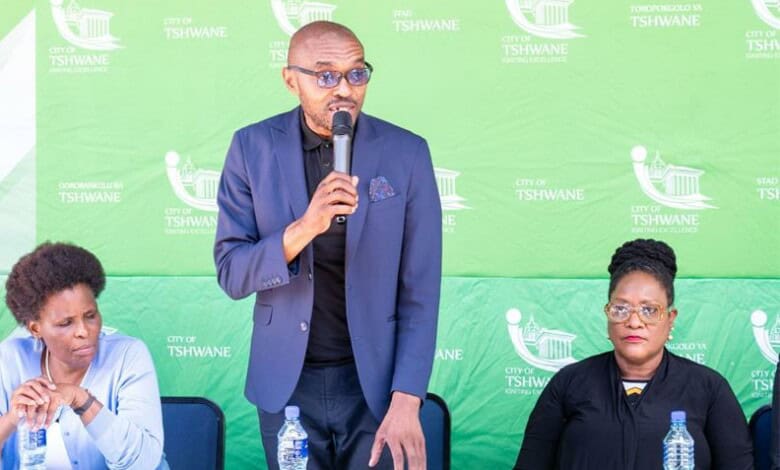
The Tshwane metro has reached a milestone with the establishment of ward committees across all 107 wards.
These committees are scheduled to meet four times a year and play a crucial role in fostering participatory democracy at the local level.
By providing a formal platform for community engagement, they allow residents to actively contribute to the decision-making processes that directly affect their lives.
Ward committees serve as a vital link between the metro and its communities, ensuring that residents have a say in the government of their wards.
Tshwane Speaker of Council Mncedi Ndzwanana said the establishment of these committees is essential to promoting inclusivity and transparency within local governance.
He said by engaging with these committees, residents are empowered to voice their concerns and provide input on service delivery, infrastructure development, and resource allocation.
Ndzwanana highlighted that the committees represent a structured approach to community participation, enabling locals to collaborate with local government and influence decisions that impact their neighbourhoods.
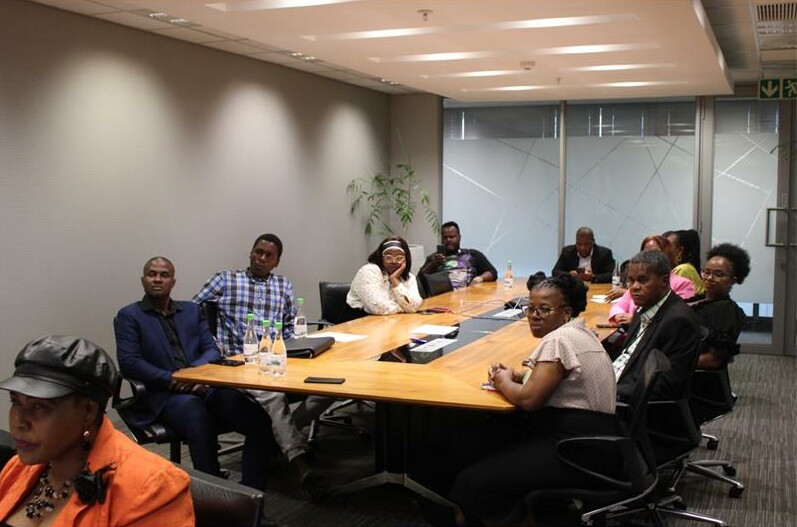
“By Section 152(1) of the Constitution of South Africa and the Municipal Structures Act, municipalities are mandated to encourage the involvement of communities in local governance matters.
The ward committees are a direct response to this mandate, offering a framework through which local knowledge and expertise can be leveraged to address the unique challenges faced by each ward.”
He said this participatory model allows for tailored solutions that meet the specific needs of different areas, contributing to the overall development of the metro.
LISTEN:
Meeting four times annually ensures that community concerns are consistently brought to the attention of local authorities.
In turn, the metro is expected to respond to these inputs by prioritising projects and services that align with the needs of its residents.
Ndzwanana said the metro is not only enhancing its governance model but also promoting a culture of co-creation, where local solutions are developed through collective input.
“This approach reinforces the principles of democratic governance, where decisions are made with the active participation of those most affected by them.
“As the committees begin their work, residents of Tshwane are encouraged to engage actively with their local representatives and contribute to the development of their communities.”
Ward committee member of Ward 60, Bishop Ike Mabena said he is pleased to work with the metro in serving communities.
“We need to get more training because there are no former ward committee members we can learn from.
“This is a brand new group of individuals and we plead with the office of the Speaker that they provide the necessary support so that the next cohorts of ward committee members can have those they can learn from,” said Mabena.
Do you have more information about the story?
Please send us an email to bennittb@rekord.co.za or phone us on 083 625 4114.
For free breaking and community news, visit Rekord’s websites: Rekord East
For more news and interesting articles, like Rekord on Facebook, follow us on Twitter or Instagram or TikTok.