Public works hands over five unused state buldings locally to be used to shelter GBV survivors
This initiative forms part of the government’s ongoing commitment to strengthening protection services and providing dignified support to vulnerable groups.
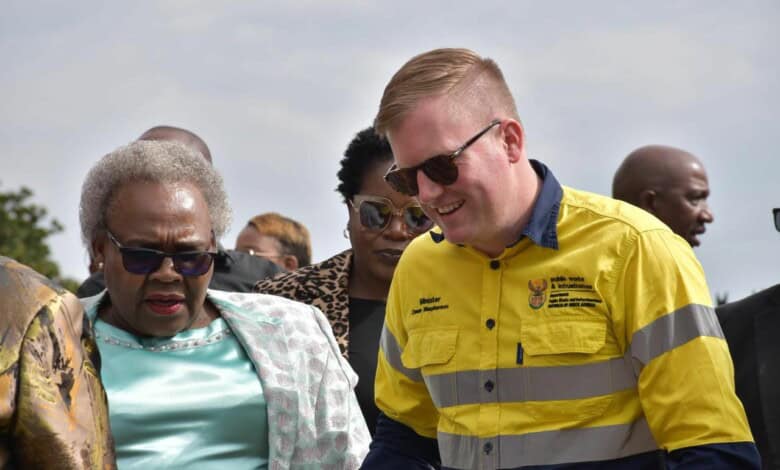
The Department of Public Works and Infrastructure (DPWI) officially handed over five state-owned properties to the Gauteng Department of Social Development (DSD) during a ceremony held in Waterkloof, east of Pretoria, on April 8.
The properties, three located in Pretoria and two in Johannesburg, will be repurposed into shelters and safe spaces dedicated to supporting survivors of gender-based violence (GBV).
This initiative forms part of the government’s ongoing commitment to strengthening protection services and providing dignified support to vulnerable groups.
These shelters will provide more than just a haven, they will meet essential needs such as protection, food, accommodation and clothing.
In addition, they will offer holistic support services including counselling, skills development, and a range of therapeutic interventions.
Survivors will have access to life skills training, psychosocial support, play therapy, and healing and restoration programmes aimed at helping them rebuild their lives with dignity and resilience.
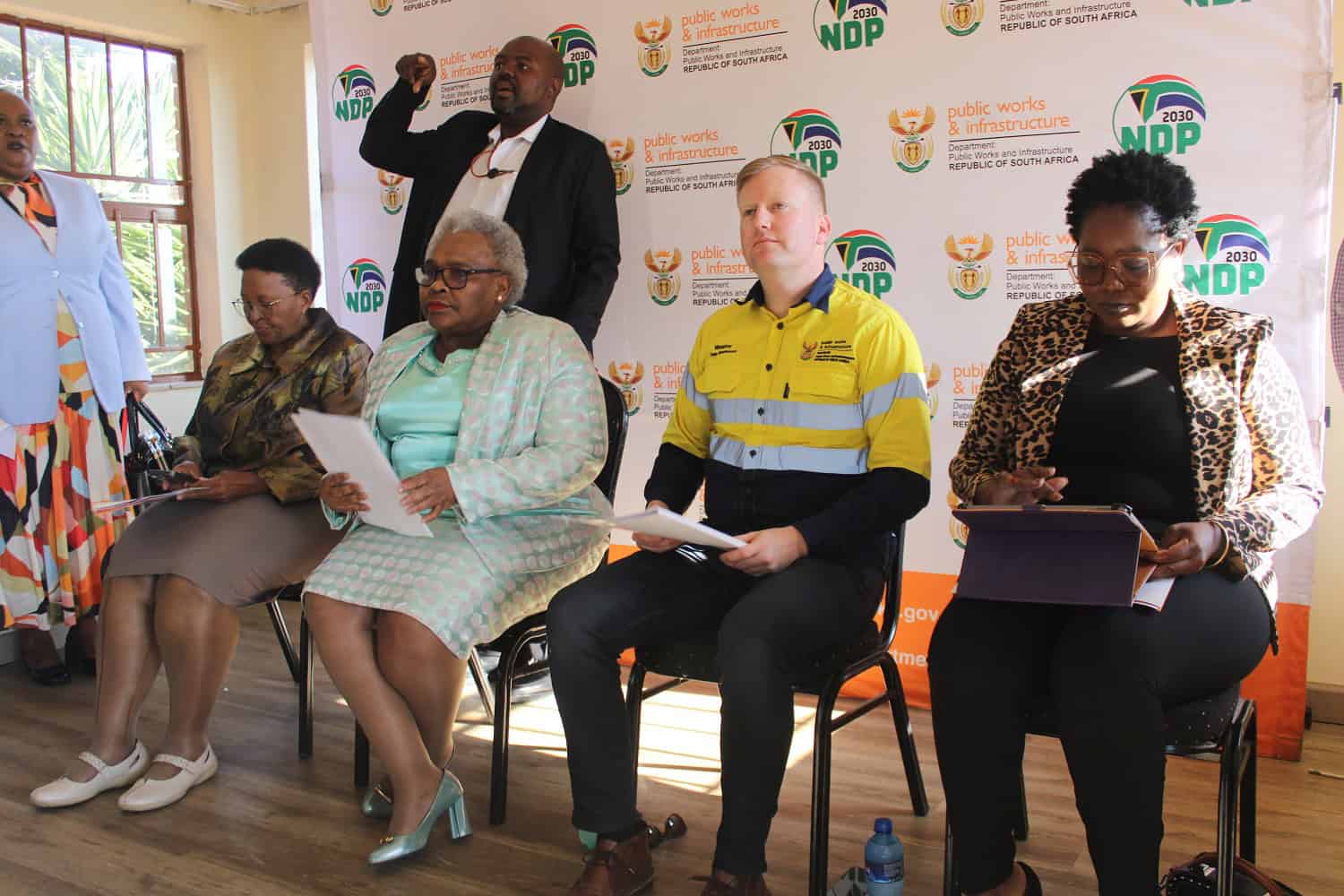
DPWI minister Dean Macpherson was joined by the DSD minister Nokuzola Tolashe, Gauteng Social Development MEC Faith Mazibuko and Tshwane MMC for Social Development Palesa Modise.
This morning, I was honoured to handover Public Works & Infrastructure properties to the Gauteng Social Development Department to be used as shelters for victims of Gender-Based Violence.
Between 2019 and 2025, only 2 properties were handed over to be used for shelters, but… pic.twitter.com/QyLPCM07uc
— Dean Macpherson MP (@DeanMacpherson) April 8, 2025
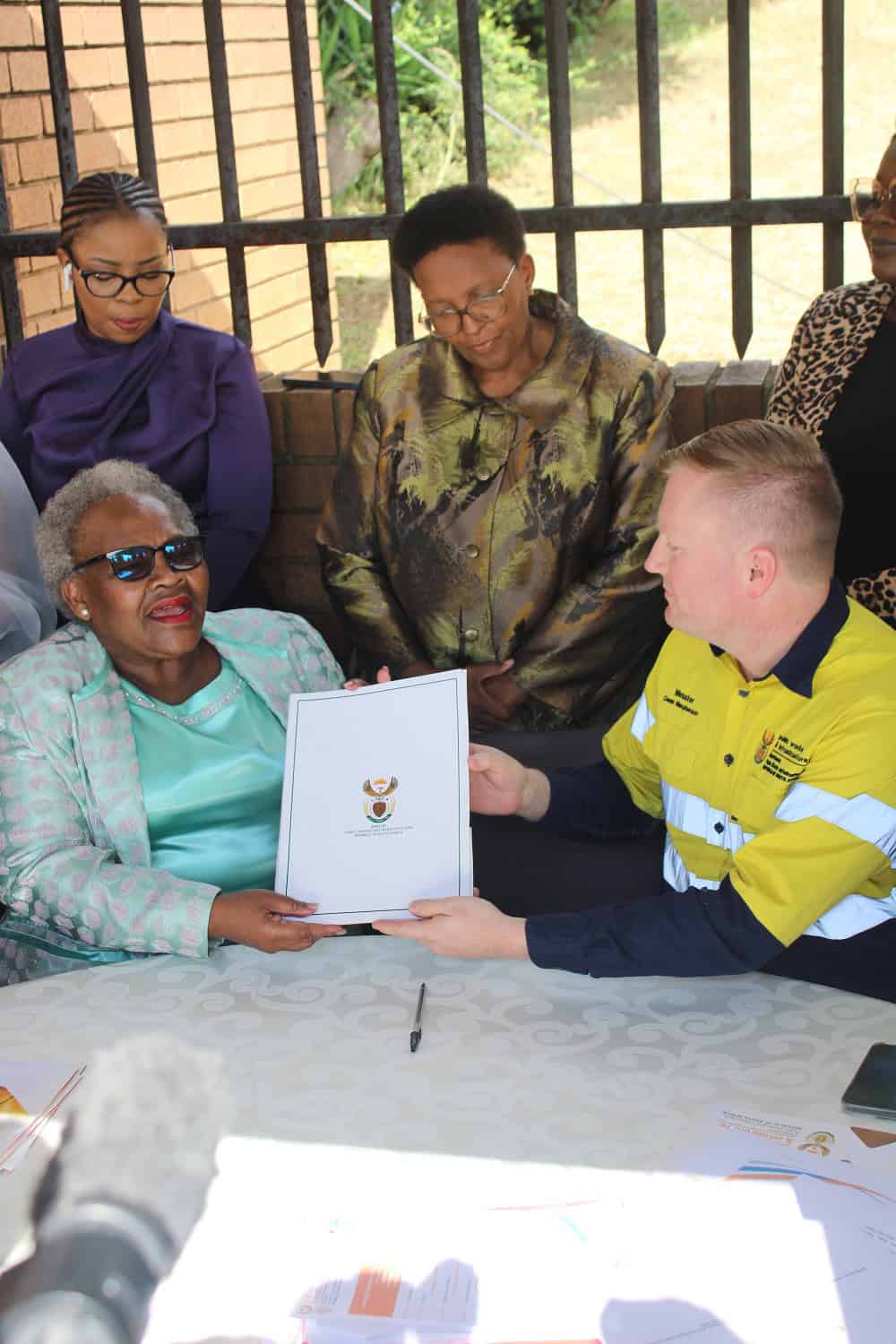
Macpherson handed over permission to occupy, power of attorney, and certificates to the social development department.
During the handover ceremony, Macpherson emphasised the importance of utilising public properties for public benefit.
“For far too long, state-owned buildings such as these properties in Waterkloof, Pretoria, have stood empty, despite a pressing need for shelters for women and children who face extremely challenging circumstances.”
Between 2019 and 2025, only two properties were handed over to be used as shelters.
Macpherson acknowledged that the progress in addressing critical issues such as dealing with GBV has been hindered for years by budget constraints, administrative delays, and bureaucratic red tape.
“But we are making it a priority to hand over many more this year and the five [properties] is just the start.
“During a time of crisis due to gender-based violence in South Africa, it is crucial that we utilise these properties to provide safe spaces for our women and children.”
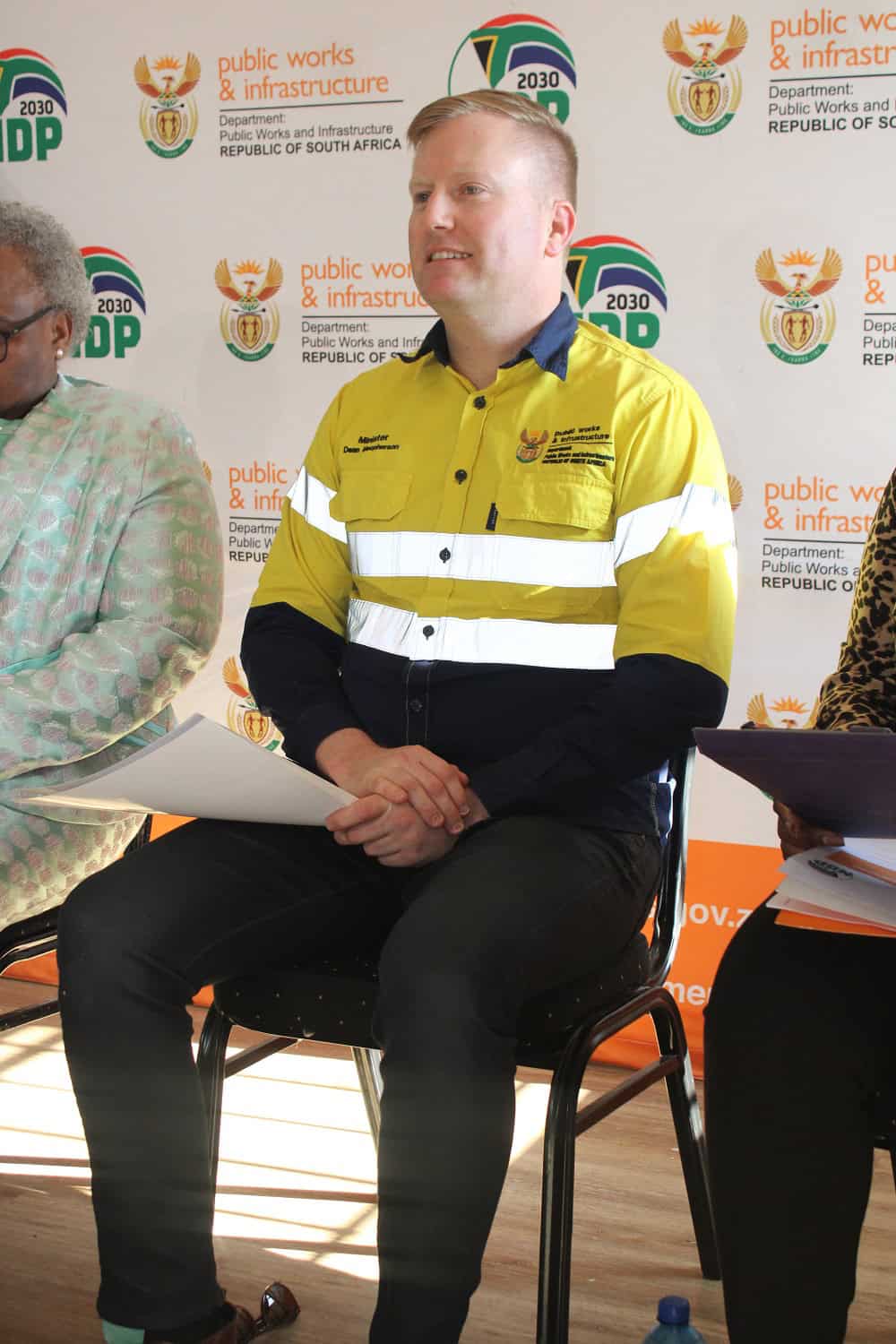
He stated that he looked forward to releasing additional unused state properties in other provinces in the coming weeks and months to further support efforts in combatting GBV.
“Shelters are not ‘nice-to-haves’ but critical in the fight against GBVF. These facilities must be accessible, safe, and supported by the necessary infrastructure and services,” he said.
Tolashe added that finding tangible solutions and combatting what has been declared South Africa’s “second pandemic” will involve close collaboration with Macpherson, ensuring the availability of unoccupied state-owned buildings for GBV shelters.
“These shelters will meet basic needs such as protection, food, accommodation, and clothing, as well as offer comprehensive support including counselling, skills development, and various therapeutic interventions. Services provided will include life skills training, psychosocial support, play therapy, healing, and restoration programmes,” she said.
She said that a particular concern is that women, children, persons with disabilities, and the LGBTQIA+ community disproportionately bear the brunt of GBV, often having their rights severely violated.
“Tragically, women and children frequently lose their lives at the hands of those closest to them. Many GBV cases remain unreported because victims may depend on the perpetrators,” Tolashe said.
Mazibuko revealed that her department spends over R2 000 per beneficiary at shelters, covering monthly expenses such as meals, toiletries, transportation, and accommodation.
“Beyond necessities, the department also invests in skills development programmes, empowering survivors with new skills to become self-sufficient upon leaving the shelter.”
Mazibuko emphasised that this approach helps individuals take care of themselves, stating, “We can’t just keep a person sitting there. We find ways to skill them, so they are interested in doing other things”.
“The maximum stay at the shelter is six months, although survivors who secure alternative accommodation or are ready to reunite with their families can be released earlier,” Mazibuko said.
She said by May 1, the buildings would be operational.
Modise emphasised the importance of collaboration in combatting GBVF.
She stated that the city is committed to supporting and complementing efforts to address this issue, recognising that no single department or sphere of government can tackle it alone.
Modise highlighted the need for integrated planning, political will, and a deep commitment to protecting the safety, dignity, and rights of women, children, and vulnerable individuals.
She commended the leadership shown by the DPWI and the DSD in facilitating the transfer of properties to support GBVF initiatives.
“This move sends a strong message about the government’s commitment to turning promises into action. The handover serves as a call to action, encouraging continued collaboration to create a society where women and children are safe, supported, and empowered.”
Watch🎥 highlights of the day #PublicAssetforPublicGood Minister @DeanMacpherson officially handed over five state-owned properties to @The_DSD Minister Ms. Nokuzola Sisisi Tolashe be transformed into much-needed GBV shelters in Gauteng, today. pic.twitter.com/4SzD49QXtJ
— Department Of Public Works and Infrastructure (@DepartmentPWI) April 8, 2025
The Gauteng GBV crisis demands immediate action. Today’s handover of five shelters comes as the province records alarming statistics: 6,392 rape cases and 28,738 domestic violence cases in just the first three quarters of 2024, alongside the tragic loss of 902 children… pic.twitter.com/BkKb90vvue
— Social Development (@The_DSD) April 8, 2025
Do you have more information about the story?
Please send us an email to bennittb@rekord.co.za or phone us on 083 625 4114.
For free breaking and community news, visit Rekord’s websites: Rekord East
For more news and interesting articles, like Rekord on Facebook, follow us on Twitter or Instagram or TikTok.