Pretorians reflect on what Freedom Day means 31 years later
Pretoria residents reflect on what Freedom Day means to them today.
Rekord readers look back at the day that marked the start of democracy in South Africa.
Freedom Day is a significant marker in the history of South Africa’s democracy.
It is observed annually on April 27 to commemorate the nation’s first non-racial elections in 1994.
These historic elections marked the end of apartheid and the beginning of a new era of democracy and equality for all South Africans.
It is a day to reflect on the sacrifices made for liberation and celebrate the progress towards a united and inclusive society.
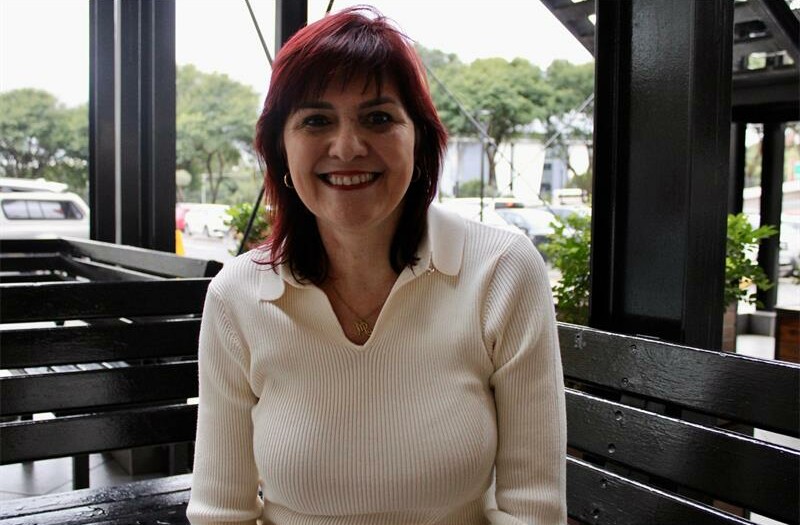
Mariette du Plessis believes a lot can be done to revive the true meaning of the day.
“For me it’s a holiday, but I wish we can work together on such a day to do something that is uplifting like for instance during the Mandela day, when everybody dedicates their time to something meaningful and productive like working at a hospital, so I think it was going to better if the day was celebrated as such.”
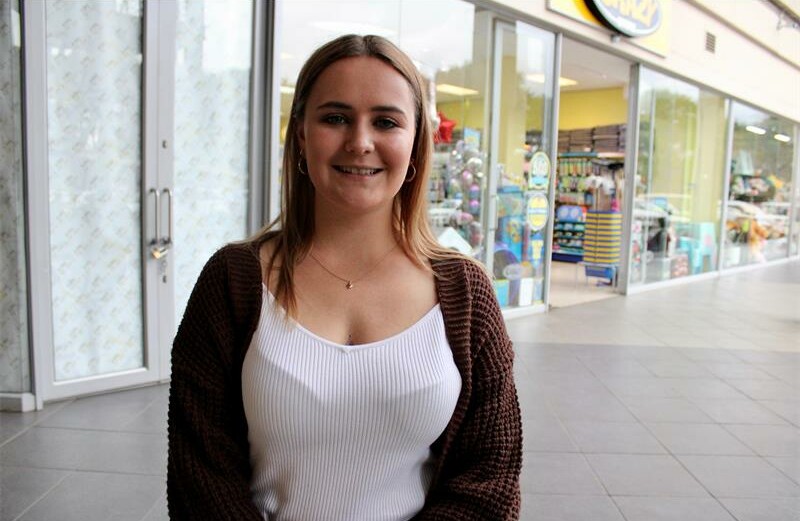
Kiara Ferreira said that young people can use the day to their advantage and uplift themselves.
“As a young person I definitely believe we can use the day more to our advantage in terms of education, especially the younger people of today so that we can all actually be aware of what it means and what it stands for. I feel like it kind of reminds us how far we have come as a country but also how far we still have to go.”
Samkelisiwe Mbambo said the day it precious.
“I think Freedom Day is still relevant and worth being celebrated because it is a true reflection of what our iconic leaders went through during apartheid. I believe it is a precious moment to honour our history as black people and also appreciate the right to vote and live in a non-racial society.”
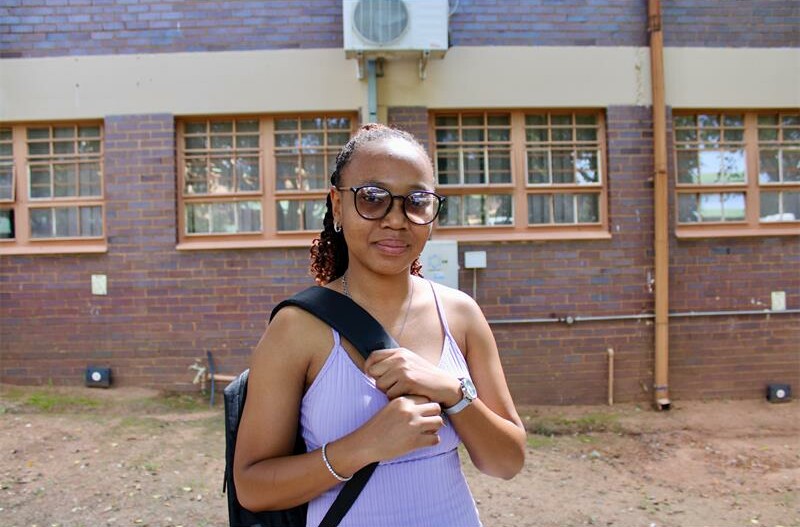
Martha Fejha Nkovane advised the younger generation about the significance of this day.
“Freedom Day is not just about history; it is about responsibility. I think young people need to continue the work we started such as participating in the political process by voting, being active in our communities and holding leaders accountable. That is how I believe we can continue to make the day relevant.”
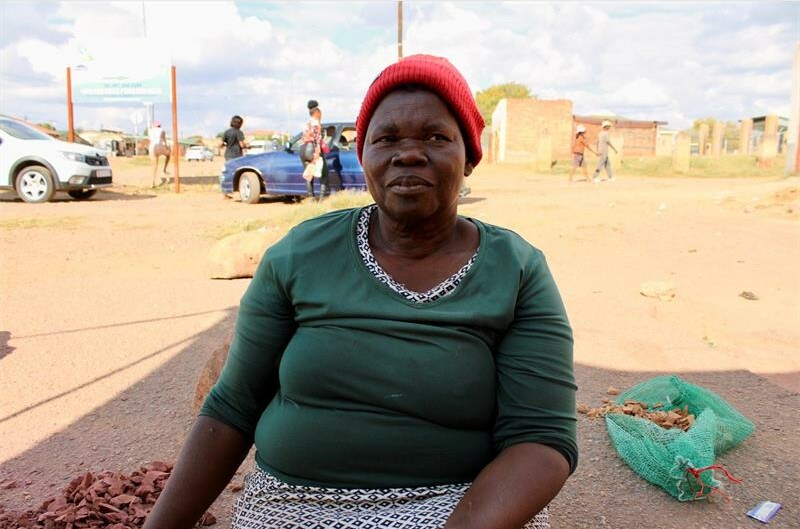
However, according to Blanche Benjamin the day has lost its meaning.
“For me Freedom Day is just another day at home because I believe the day had a meaning in 1994 and gradually as the values of the ANC changed, the day lost its value. Now it’s no longer about being free, it’s about unity and there is no unity because of corruption, and there is no service delivery.”
As enshrined in different sections of the SA Constitution.
Everyone has the right to:
-Freedom of religion, belief and opinion
-Freedom of speech and expression
-Freedom of assembly, demonstration, picket and petition
– Freedom of association
-Political right
– Citizenship
– Freedom of movement and residence
– Freedom of trade, occupation and profession
ALSO READ: What does freedom mean for the post-apartheid generation?
Do you have more information about the story?
Please send us an email to bennittb@rekord.co.za or phone us on 083 625 4114.
For free breaking and community news, visit Rekord’s websites: Rekord East
For more news and interesting articles, like Rekord on Facebook, follow us on Twitter or Instagram or TikTok.