As the nation marks three decades since all South Africans lined up to cast their vote for democracy on April 27, 1994, Tshwane residents reflected on what freedom means to them.
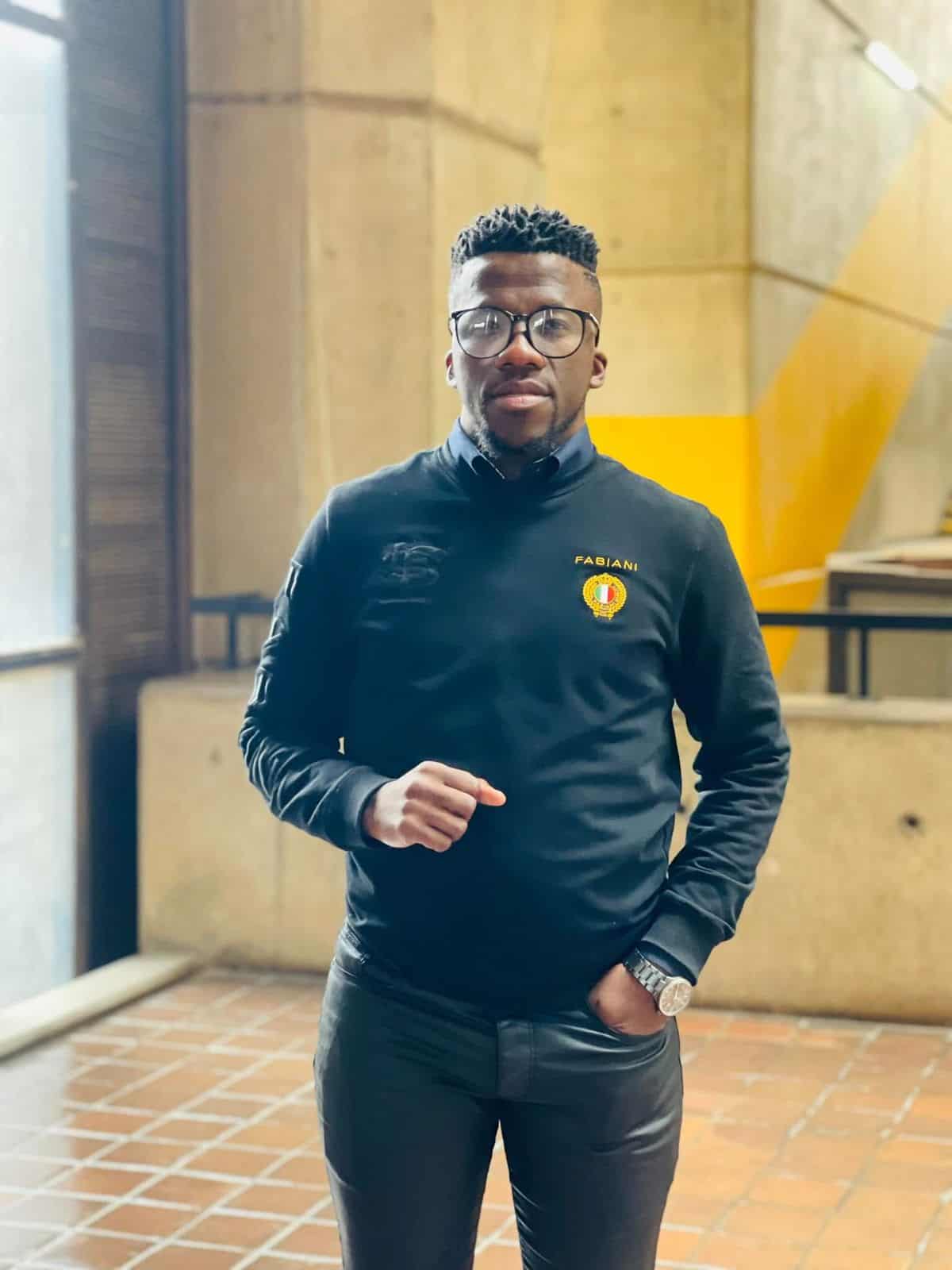
Political activist, Kevin Phehla Photo supplied
The meaning of freedom has changed. This was according to political activist, Kevin Phehla.
Speaking to Record, he said appreciation for the initial fight for freedom from the colonial apartheid system still remains intact, however, there are affairs that the post-apartheid generation needs liberation from, such as economic and educational dependence.
“We are deviating from the objective because the generation that fought for freedom from apartheid has reached a point where the meaning is becoming exhausted.
As the current generation, we are not necessarily forgetting what was initially fought for and shifting away from it. Ours is to understand what the actual freedom we really need currently is.”
He said economic emancipation is the freedom that is currently needed by the modern generation to ensure that citizens have access to economic infrastructure across all levels of the government.
He emphasised that, “South Africans must be well-educated about entrepreneurship and equipped in terms of software developments to allow them to generate funds”.
President Nelson Mandela prioritised housing and schools because he understood that was what people needed at that time. Upon achieving that, there was still a lot to move on to, which became the primary mandates of presidents that succeeded him.”
Phehla said the government needs to follow in the footsteps of the first democratic president and prioritise important issues in the country.
“We have economic frustrations that need our attention. It is important that we work on being free from economic restrictions,” he said.
Some residents reflected on and highlighted the importance of remembering the past.
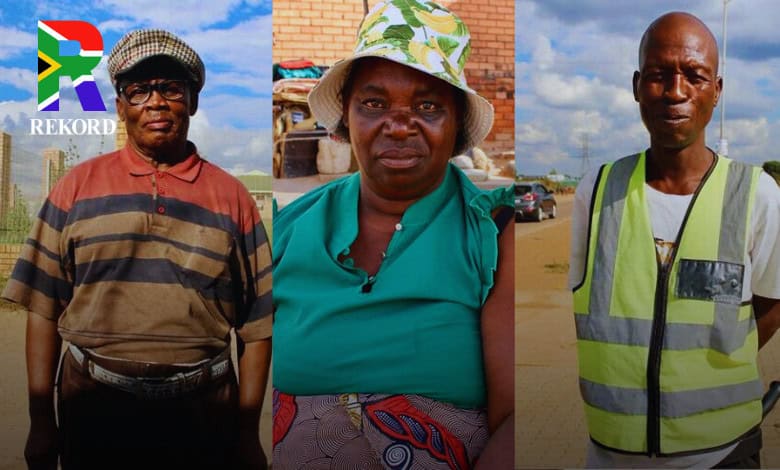
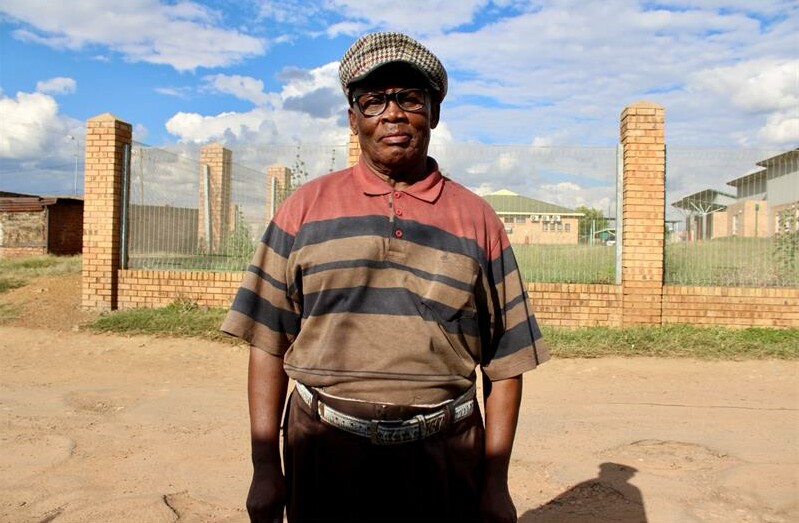
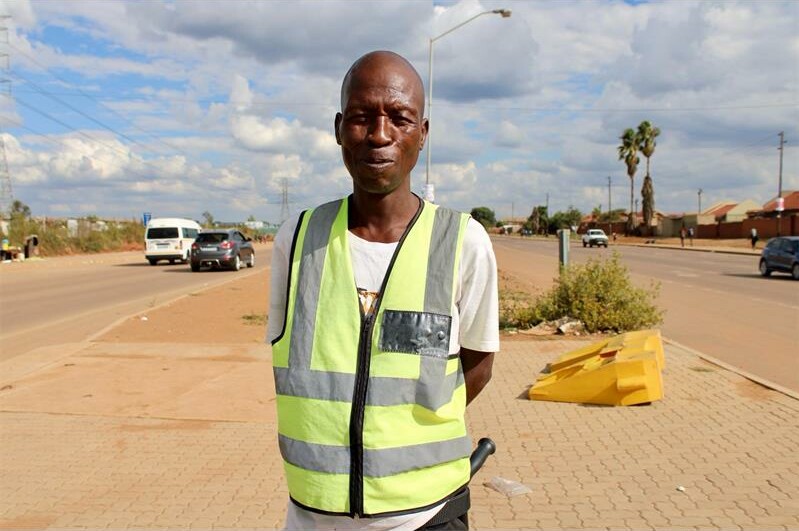
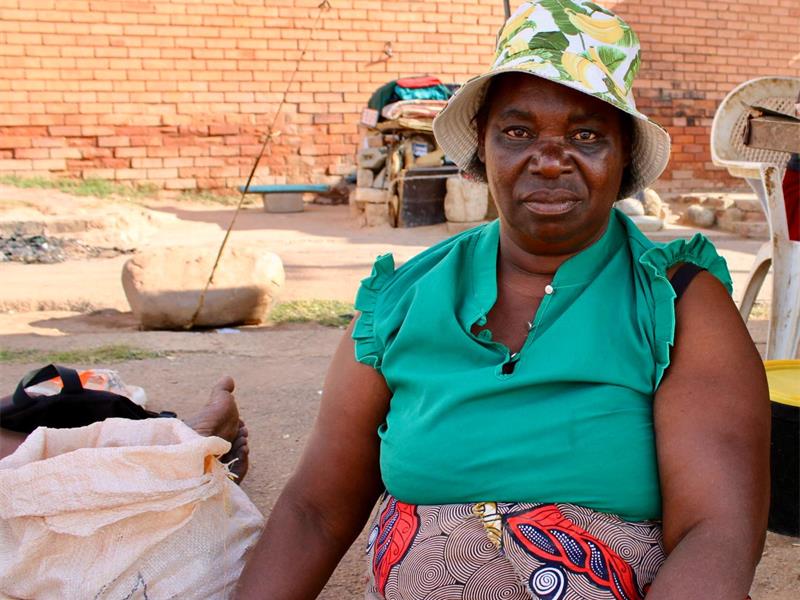
Jonas Dunga: I value freedom of speech the most because I believe as a student it allows me to express myself freely without any fear.
Nnete Kgoete: I believe Freedom Day is no longer relevant because our government keeps on failing us as we continue to face oppression due to slim job opportunities, so to me the day is not truly meaningful.
“I believe Freedom Day is no longer relevant because our government keeps on failing us. We continue to face oppression due to slim job opportunities, so to me, the day is not truly meaningful,” said frustrated resident, Nnete Kgoete.
Salma Nkovane: I believe Freedom Day is still worth being celebrated because it is a reflection of what we went through during the apartheid era.
Salma Nkovane said Freedom Day is a reflection of what the country went through during the apartheid era.
“In today’s time, we are freely expressing ourselves and there are a lot of opportunities than back then.”
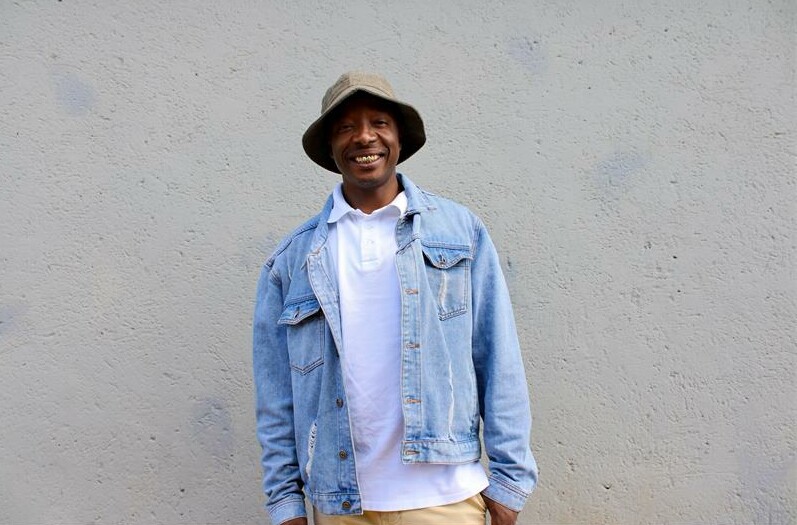
Linda Mkhize said it is important that people keep in mind that freedom was not free, as a lot of people lost their lives fighting for freedom that they never even had a chance to experience.