Soshanguve braces for rolling power outages
The metro has introduced measures to prevent total infrastructure failure as a result of continuous electricity overloading caused by illegal connections and cable theft.
Residents of wards 32, 37, and 39 in Soshanguve, north of Pretoria, have been plunged into a scheduled electricity load rotation that began on May 2.
The rotation is set to last until May 9, due to pressure on the area’s overloaded transformers and substations.
The affected areas include Soshanguve Zone 14A, 14B, Ext 19A, and 19B, where residents can expect daily four-hour blackouts.
Tshwane spokesperson Selby Bokaba said the metro has introduced the measures to prevent total infrastructure failure as a result of continuous electricity overloading caused by illegal connections and cable theft.
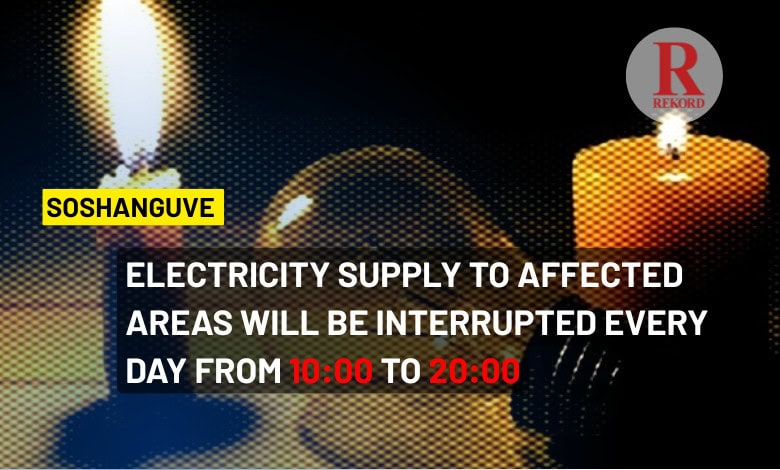
Bokaba said electricity supply to the affected areas will be interrupted every day from 10:00 to 20:00.
“The continued pressure on the city’s transformers and substations during peak hours in these areas has necessitated the implementation of load rotation to avoid a total collapse of the electricity grid in the mentioned areas.
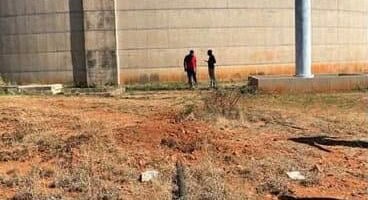
“Occasionally, the network’s overload is caused by electricity theft through illegal connections. The situation has been worsened by the recent theft of the main feeder cables supplying the affected areas,” said Bokaba.
Residents are urged to unplug appliances during this period and to report any illegal connections or infrastructure tampering to the metro.
Tshwane encouraged residents to call 012 358 9999 to report faults and related issues.
The metro previously vowed that it had ramped up efforts to stabilise electricity supply in Soshanguve through an intensive power cable reticulation project aimed at tackling long-standing outages and infrastructure failures in the area.
Tshwane plans to take aggressive measures against electricity theft and meter tampering, warning that individuals who persist in illegally reconnecting after being cut off by the city will face serious repercussions.
Metro spokesperson Lindela Mashigo explained that offenders will be hit with significant fines and also be liable for backdated electricity consumption.
This crackdown forms part of the metro’s broader effort to reduce non-technical losses, which have cost Tshwane more than R800-million in the 2023/2024 financial year.
Do you have more information about the story?
Please send us an email to bennittb@rekord.co.za or phone us on 083 625 4114.
For free breaking and community news, visit Rekord’s websites: Rekord East
For more news and interesting articles, like Rekord on Facebook, follow us on Twitter or Instagram or TikTok.