Delays in NPO funding threaten social services in Pretoria
During winter, need increases and the pressure on NPOs grows ever more intense. Without urgent intervention to help NPOs get their subsidies, experts say the damage to Gauteng’s social fabric could be irreversible.
Pretoria’s most vulnerable communities are paying the price for government inefficiencies, as many NPOs that provide vital social services are left without funding due to delays by the Gauteng Department of Social Development (GDSD).
The impact of these delays has become dire, with several NPOs unable to pay staff, provide essential care or continue operations.
The DA has expressed serious concern over these funding setbacks and has taken formal action to address the issue.
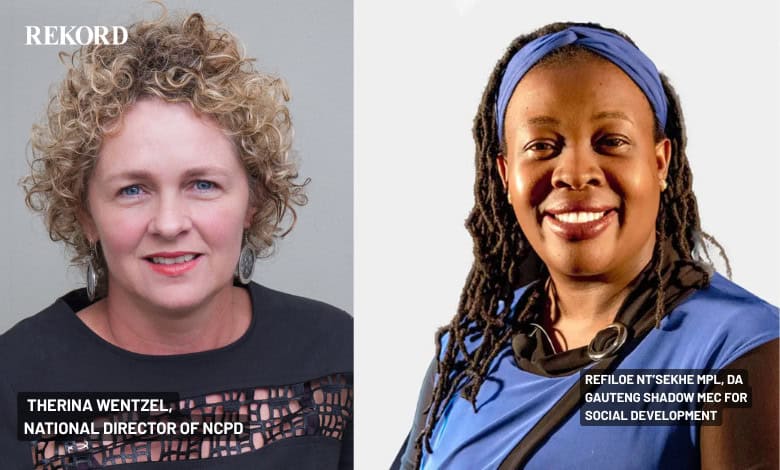
According to Refiloe Nt’sekhe MPL, DA Gauteng Shadow MEC for Social Development, the department has once again failed to sign Service Level Agreements (SLAs) and disburse funding on time.
Vulnerable residents are suffering, and NPOs are on the brink of collapse.
“We have now written to both the Public Protector and the Auditor-General to investigate this gross mismanagement,” said Nt’sekhe.
Nt’sekhe added that the DA had warned the department that NPOs would be adversely affected due to delays in signing the agreements, but their concerns were dismissed as “unsubstantiated” by the department.
In many cases, NPO workers have gone unpaid for April due to these delays.
Concerns have also been raised about a new clause in the agreements that holds the chairperson of an NPO personally liable for any future contractual breaches.
This clause, reportedly introduced without proper consultation, has created fear among NPO leaders, some of whom felt coerced into signing under duress to secure funding.
“The department’s attitude and actions have destabilised the NPO sector,” said Therina Wentzel, national director of the National Council for Persons with Physical Disabilities in South Africa (NCPD).
“We have taken a decision not to apply for funding from the department anymore. It’s become unreliable, and NPOs are treated without dignity. The expectations far outweigh the funding value, breaking the spirit of already overburdened staff.”
Wentzel noted that delays in funding disbursement have lasted anywhere from three to seven months, and in some cases, more than a year.
She said the impact on service delivery has been devastating. Some affiliated associations have had to sell property.
In other cases, caregivers could not come to work, electricity was cut off due to unpaid bills, and NPOs were taken to the CCMA for unpaid salaries.
“Funding shortages have also led to the suspension of vital services,” she said. “Some programmes have simply been stopped. We cannot buy nappies, food or medical supplies. Many caregivers in residential facilities simply cannot continue.”
Communication from the department has been minimal.
“District officials say they are waiting on the province, but no one answers calls at the provincial level. There’s no accountability,” Wentzel explained. “Each province decides on its criteria and funding amounts, so if an MEC is rude or incompetent, we have no recourse. We just have to make a plan and carry on.”
The lack of sustainable government support has left organisations like hers and the NPOs dependent on it in Pretoria, grappling with broader systemic issues, including underfunding, a shortage of trained professionals, and the legacy of inequality that continues to affect the disability sector.
“Many facilities in Gauteng are still not accessible,” Wentzel said. “There is a severe shortage of occupational therapists, Sign Language interpreters, and specialists trained to deal with disabilities like autism or cerebral palsy. We are constantly expected to do more with less.”
Both Nt’sekhe and Wentzel emphasise the urgent need for systemic reform.
“A DA-led government in Gauteng would ensure that NPOs are treated as partners, not as beggars,” Nt’sekhe stated.
“We would prioritise timely agreement signings and transparent funding processes, thus restoring trust and enabling organisations to do what they do best, serve the most vulnerable in our communities.
“We need proper consultation, consistent and timely funding, and investment in training and infrastructure. NPOs should be seen as strategic partners in building inclusive communities.”
Until then, Gauteng’s most marginalised people with disabilities, the homeless, the abused, and children in need, will continue to face unacceptable hardship due to bureaucratic delays and a lack of political will.
“The ANC-led government does not understand the value of partnerships with NPOs,” said Wentzel. “The legislative landscape is not conducive to securing sustainable support from the private sector either. We are left to struggle while doing work the government should be doing.”
Do you have more information about the story?
Please send us an email to bennittb@rekord.co.za or phone us on 083 625 4114.
For free breaking and community news, visit Rekord’s websites: Rekord East
For more news and interesting articles, like Rekord on Facebook, follow us on Twitter or Instagram or TikTok.