EMS mitigates fire risk in Plastic, Cemetery View as winter cold starts to bite
Residents are calling for urgent intervention as the threat of a fire disaster looms, demanding that the city prioritise the immediate relocation of the informal settlements.
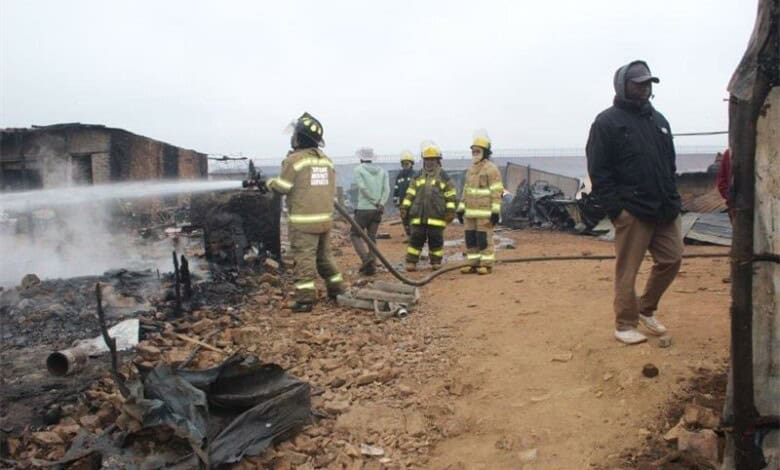
As winter approaches, the Tshwane Emergency Services (EMS) has assured residents that it has implemented several fire prevention strategies in Plastic View and Cemetery View informal settlements.
Residents near the two informal settlements have been growing increasingly anxious about the heightened risk of fires, which tend to break out during the cold season.
Many fear that without preventive measures, lives and property may once again be in danger.
Previously, the fires that have erupted have led to thousands of dwellers being displaced, some injured, while others have lost their lives.
The last fire recorded in Cemetery View, near Woodlands, affected 2 600 people and 814 shacks. One person was burned beyond recognition.
On March 1, 2024, smoke detectors were installed at Plastic View to assist in protecting households, businesses and early childhood development centres at the roughly 17-year-old informal settlement harbouring hundreds of men, women and children.
These measures to guard against fire devastation were the combined effort of EMS, insurer Santam and the Gauteng Department of Cooperative Governance and Traditional Affairs (Cogta).
The triad was responsible for the installation of 500 smoke detector alarms.
Residents have expressed concerns over the existence of the illegal settlements and how this hurts the community.
Some residents expressed fear that lives might be lost, while some expressed optimism that the smoke detectors would be helpful in this dry winter fire season.
Deirdre van Helsdingen said she was extremely concerned about the fire risks at these settlements, especially as “we head into the winter months”.
“As a property tax-paying resident, we are already tormented by the near-daily burning of rubbish, and history shows that these informal settlements experience major fires almost every year,” she said.
“Firebreaks that once offered some level of protection have been encroached upon due to ongoing expansion, leaving little to no escape routes for occupants in the event of a fire.
Van Helsdingen said they haven’t suffered direct property damage yet, but regularly deal with the thick smoke, poor air quality, and fire victims seeking help.
“Plastic View is uncomfortably close to our formal residential properties. With the City of Tshwane failing to cut the surrounding grass and maintain firebreaks, it’s only a matter of time before a fire spreads into neighbouring estates. The fear of that happening is very real.”
Van Helsdingen said she has read that fire alarms were installed, “but I question whether any are still functional”.
“With fires occurring so frequently, it’s hard to believe these alarms serve any real purpose. It felt more like a box-ticking exercise than an effective safety intervention.”
She said the city’s approach appears entirely reactive.
“There’s no visible control in the camps, and NGO involvement seems more focused on their own interests than meaningful solutions. Informal settlements like Plastic View should not be located within established suburban areas,” she said.
“The continuous smoke and noise pollution make it impossible for us to enjoy our homes. We can’t even have a peaceful braai or leave our windows open at night,” she added.
She asked the city to relocate the settlements.
“They are unsafe for both the occupants and the surrounding communities. While fire prevention measures may sound practical in theory, I do not support using our tax money for them unless the root issue – the location and unchecked expansion of these settlements is dealt with first. We have reached the end of our tolerance.”
Another resident, Crystal Jardin, said they are worried because fires at Cemetery and Plastic View are a yearly occurrence, often deadly and entirely unpreventable.
She said the settlements pose a danger to their inhabitants and the nearby estates.
“The risks increase significantly due to unsafe heating and cooking practices in a tightly packed, flammable structure.”
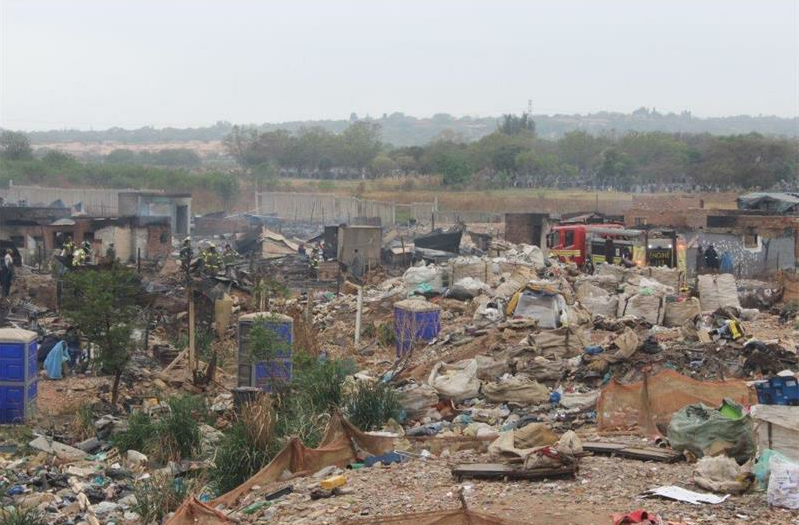
Jardin said the nearby communities have not suffered property damage but were concerned for their health.
“Adjacent residents [to the settlements] have repeatedly suffered smoke inhalation, property threats, blocked roads and constant fear of the fire spreading.”
She said these events place an extreme burden on emergency services and heighten anxiety for families trying to live safely in their homes.
Jardin added that emergency service response is typically reactive and delayed due to poor road access.
“Despite 17 court orders instructing the city to dismantle these illegal settlements, no substantial preventive measures have been implemented, there is no access planning and very little education or enforcement of fire safety,” she explained.
Jardin said these settlements continue to grow unchecked, with 80% of dwellers being undocumented foreign nationals.
“This reflects a systematic failure to uphold immigration law, enforce zoning regulations and ensure basic public safety.”
Angelica Winner said she is highly concerned about possible fire outbreaks.
“We are not directly affected, but as nearby residents, we do suffer if the settlements burn, we hear explosions, and we get affected by the smoke pollution.”
Winner said she felt that only once the city had found safer accommodation for the inhabitants would the fear of fire outbreaks among the residents lessen.
Ward 91 councillor Henning Viljoen said he is also concerned about a possible fire outbreak in Plastic View.
“Nothing has changed regarding the risk of fires in the informal settlements. Cemetery View burned twice in the past year, and it all comes down to uncontrollable waste management.”
Viljoen said that in Plastic View, a smoke detection pilot study was deployed, but he was not sure how effective it had been.
“As winter sets in and temperatures drop, many residents in informal settlements turn to gas heaters, paraffin stoves, braziers, and candles to keep warm and provide light. However, these heating methods also carry significant fire risks.”
According to EMS acting spokesperson Tebogo Maake, fires in informal settlements are often caused by open flames and overloaded or illegal electrical connections.
“In densely populated areas like Plastic View and Cemetery View, shacks are built very close together. This makes it easy for fire to spread rapidly, leading to widespread destruction, serious injury, and even fatalities,” Maake said.
To combat this, the EMS has implemented several fire prevention strategies:
– Fire Bucket Brigade: Launched in 2024, this initiative relies on community members forming a human chain to pass buckets of water to contain small fires until professional firefighters arrive.
– Fire Alarm Maintenance: Fire alarms previously installed in Plastic View remain active. The Public Information, Education, and Relations (PIER) team conducts regular surprise inspections to test batteries, sensors, and sounders. Faulty units are promptly repaired or replaced.
– Ongoing Awareness Campaigns: The department runs continuous fire safety education programmes in informal settlements, with intensified efforts during winter.
The safety programmes include:
– Workshops and live demonstrations on fire extinguisher use and emergency procedures.
– Distribution of easy-to-understand educational materials.
– Engagement with community leaders and youth volunteers to spread fire safety awareness.
– Collaboration with NGOs and civic groups to expand outreach and distribute resources.
“These efforts are aimed at equipping residents with the knowledge and tools to prevent fires and respond effectively in case of an emergency,” said Maake.
In the event of a fire, the Erasmuskloof Fire Station, the nearest to the settlements, will be the first to respond, supported by fire crews from Hazelwood, Silverton, and Mamelodi stations.
Maake urged residents to actively participate in the ongoing Be Fire Safe community campaigns to build a culture of safety and preparedness.
ALSO READ: Tourism’s passionate champion taking Pretoria to new level
Do you have more information about the story?
Please send us an email to bennittb@rekord.co.za or phone us on 083 625 4114.
For free breaking and community news, visit Rekord’s websites: Rekord East
For more news and interesting articles, like Rekord on Facebook, follow us on Twitter or Instagram or TikTok.