Tshwane denies DA’s asphalt sale claims amid rising road damage complaints
The metro insists all asphalt is used for road repairs, but frustrated residents say they’re dodging craters, not progress.
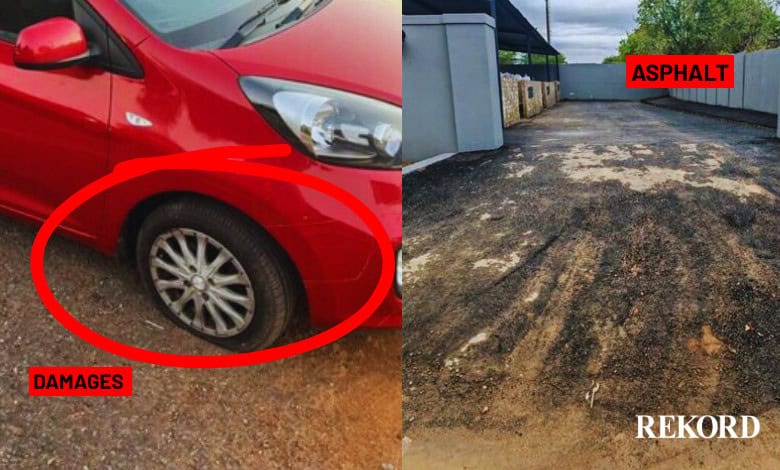
The Tshwane metro has denied accusations by the DA that it is selling asphalt from its municipal plant to generate revenue.
According to the metro, all asphalt produced is used exclusively for maintaining the metro’s crumbling roads.
DA councillor Dikeledi Selowa sparked the controversy this week, claiming the metro prioritises profit over public safety.
She alleged that Tshwane continues to sell its asphalt “at the expense of motorists’ safety,” while the metro’s roads deteriorate.
According to Selowa, the metro is failing to conduct proactive and reactive maintenance.
“Instead, they would rather chase revenue while thousands of motorists keep ducking and diving potholes, resulting in dangerous driver behaviour,” she said.
She also accused the city of neglecting its duty to use the asphalt it produces for widespread pothole repair operations in all seven of its regions.
Selowa noted that each region has road maintenance teams, but motorists continue to file damage claims, many of which go unanswered.
One resident, Liezel McDonald, told Rekord that people she knows who suffered vehicle damage were informed they couldn’t submit any claims to the city.
“We’ve found out that if you make a big enough scene about the potholes, they will come and fix them.
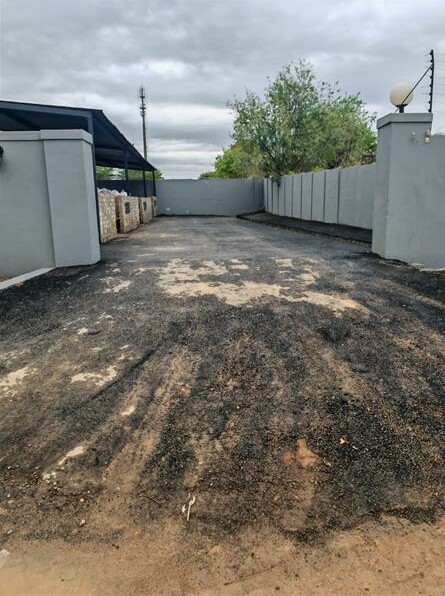
Image: supplied
AfriForum has also helped a lot with patching the potholes.”
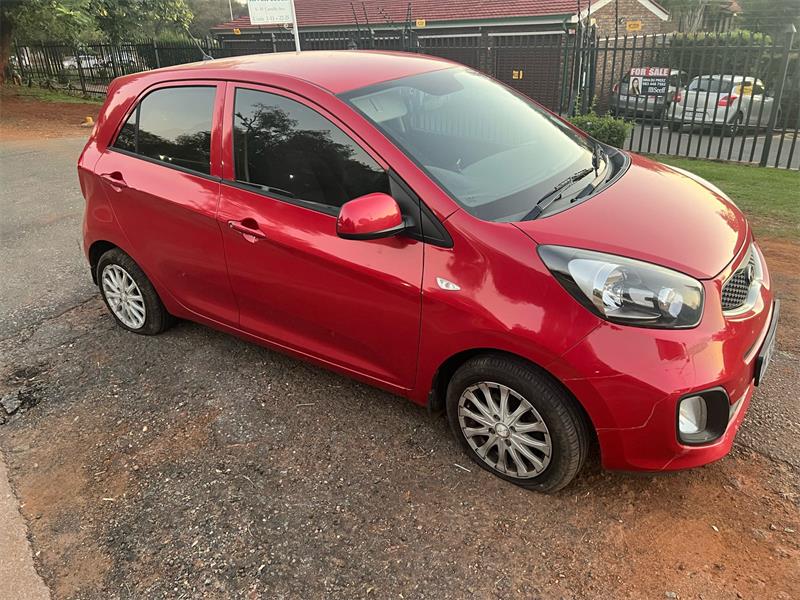
Another resident, Johan Yssel, who damaged two tyres on Lynnwood Road on April 30, said the repairs cost him R3 000. He said he didn’t even consider filing a claim.
“The metro must attend to the deteriorating roads. It’s unsafe and damaging our cars,” he said.
Another motorist, Tiaan Dippenaar, said he’s lost two tyres and a rim in the past two months due to potholes.
His most recent incident occurred at the beginning of May, costing him another R3 000.
He said he has submitted a claim and is awaiting feedback.
“The streets look like we’re driving on the moon, avoiding cracks every few metres,” Dippenaar said.
“There are lots of people fixing their tyres and rims because of potholes.
The metro must urgently attend to potholes.”
Ward 82 councillor Siobhan Muller painted an equally bleak picture of road conditions in the city’s eastern suburbs.
“There are at least five potholes per street in the east. How the mayor missed the thousands in the east is mind-boggling,” she said.
Muller urged anyone in doubt to drive along Murray Street in Brooklyn, Milner Street in Waterkloof or down South Street in Hatfield.
“Five potholes per block is more accurate,” she added.
The Tshwane metro denied selling asphalt as a revenue stream.
Tshwane spokesperson Lindela Mashigo said the city is not selling asphalt to external buyers.
“One hundred percent of the asphalt is allocated for the city’s road maintenance.”
He added that the city’s Regional Operations and Coordination Department was allocated R45.4-million for road maintenance this year and has spent just over R33.8-million to date.
On whether the city is prioritising pothole repairs, Mashigo said, the city is already prioritising its own asphalt for pothole repair.
“The resurfacing and patching projects are underway, particularly in high-traffic areas such as Garsfontein Road in Ashlea Gardens.”
Mashigo stated that motorists can submit claims for damages caused by potholes.
However, residents may pursue delictual claims, which must be filed within six months and be supported by legal proof.
“Submission of a claim does not mean it is going to be paid. It must be assessed legally,” he said.
“The city’s third-party claim form is available on its website or can be obtained at Tshwane House.”
MMC for Roads and Transport Tlangi Mogale said the city has intensified its pothole eradication programme across all seven regions.
“Our efforts have increased through scheduled repairs. We’ve also authorised extended work hours,” she said.
Mogale added that weather conditions had slowed progress but expressed confidence in the city’s own asphalt plant, which produces up to 70 tons per day.
“This has really assisted in our war against potholes.”
She noted that monitoring teams have been introduced to assess the quality of repairs and hold teams accountable.
Mogale said they will also be looking into increasing the amount of asphalt produced per day and equipping the plant with the necessary capacity and support it requires to produce more hot asphalt.
“Currently, the quarry runs on a three-hour shift and only produces 70 tons of asphalt per day, which has proven to be inadequate to cater for all our pothole repair needs.”
Mogale added that they understand the ongoing frustrations that residents and motorists have to contend with daily because of potholes and the inconvenience they bring.
“We aim to resolve the pothole repairs.”
However, despite these assurances, many residents are still asking if all the asphalt is being used for repairs, and why the roads are getting worse instead of better?
Do you have more information about the story?
Please send us an email to bennittb@rekord.co.za or phone us on 083 625 4114.
For free breaking and community news, visit Rekord’s websites: Rekord East
For more news and interesting articles, like Rekord on Facebook, follow us on Twitter or Instagram or TikTok.