Excessive screen time is harming children, says psychiatrist
South Africa’s high screen time is harming children’s mental health, says psychiatrist Prof Renata Schoeman, linking excessive device use to depression, anxiety, poor sleep, and declining academic and social well-being.
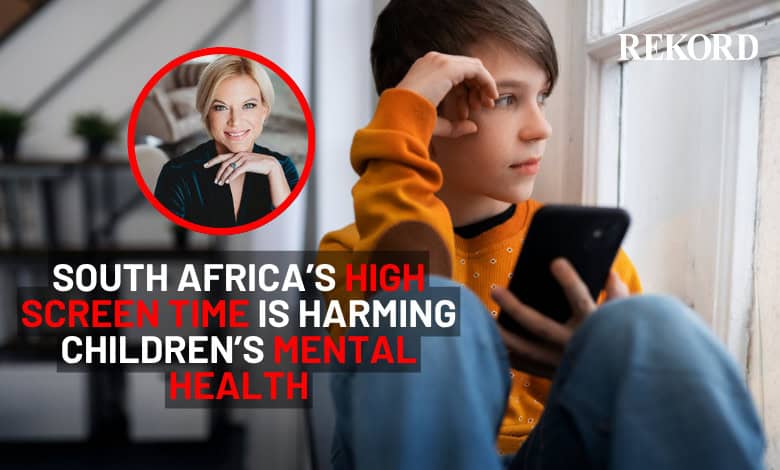
South Africa’s soaring screen addiction is fuelling a growing mental health crisis among children and adolescents, with serious consequences for their emotional, physical, and academic well-being.
That’s the stark warning from Prof Renata Schoeman, psychiatrist and member of the South African Society of Psychiatrists (SASOP), who says the country’s screen habits are among the worst globally.
“If we as adults are addicted, how can they not be?” Schoeman asks. “We cannot expect children to moderate their screen time when they see adults constantly glued to their phones. Children learn by observing. If we don’t model healthy digital behaviour, we are silently endorsing screen addiction.”
South Africans spend an average of nine hours and 37 minutes daily on digital devices, with nearly a third of their waking hours consumed by scrolling, swiping and tapping mostly on social media platforms like Facebook, Instagram and TikTok.
This overexposure, Schoeman says, is having a devastating impact on the nation’s youth.
Adolescents who spend more than five hours per day on screens are 70% more likely to experience suicidal thoughts or behaviour than those with less than one hour of screen time. Even moderate use, such as four to six hours daily, has been linked to increased anxiety and depression.
Recent international studies echo her concern, showing that mobile phones not only distract students from learning but can derail focus for up to 20 minutes after each interruption. Simply having a phone nearby with notifications on is enough to disrupt attention in the classroom.
According to Schoeman, excessive screen time in children is linked to a cascade of mental health issues, including increased risk of depression, anxiety, and low self-esteem.
It is not just the mind that suffers. Physically, screen-heavy lifestyles contribute to obesity, headaches, eye strain and poor posture in children.
“Technology itself is not the enemy,” Schoeman clarifies. “It is about how, when, and how often we use it. There is a big difference between a family movie night and hours of mindless scrolling or unmonitored gaming. The key is balance and intention.”
She urges parents to take the lead by setting boundaries and modelling healthy habits.

Her recommendations include:
– Limit screen time by age: No screens for under-2s, max 1 hour per day for ages 2 to 5, and ideally no more than 2 hours per day for older children.
– Encourage offline activities, particularly outdoors, to support holistic development.
– Establish screen-free zones and times, such as during family meals or the hour before bedtime.
– Model digital discipline by taking regular breaks and prioritising face-to-face interaction.
– Take overnight custody of children’s devices to support healthy sleep habits.
– If you or someone you know is struggling with mental health, contact SADAG’s 24-hour Helpline at 0800 456 789.
Do you have more information about the story?
Please send us an email to bennittb@rekord.co.za or phone us on 083 625 4114.
For free breaking and community news, visit Rekord’s websites: Rekord East
For more news and interesting articles, like Rekord on Facebook, follow us on Twitter or Instagram or TikTok.