Moot infrastructure in crisis in Rietfontein area
As the Moot faces rising crime, failing infrastructure, and patchy government responses, community frustrations are escalating. While the metro promises progress and AfriForum demands accountability, residents remain caught in the crossfire between copper thieves and overstretched authorities and are left, quite literally, in the dark.
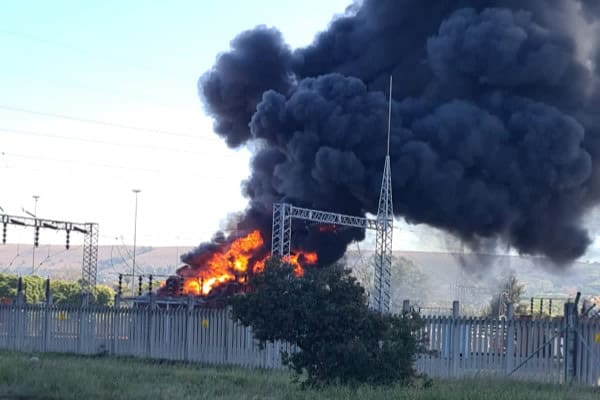
Repeated infrastructure failures have left residents in the Rietfontein area in the Moot vulnerable.
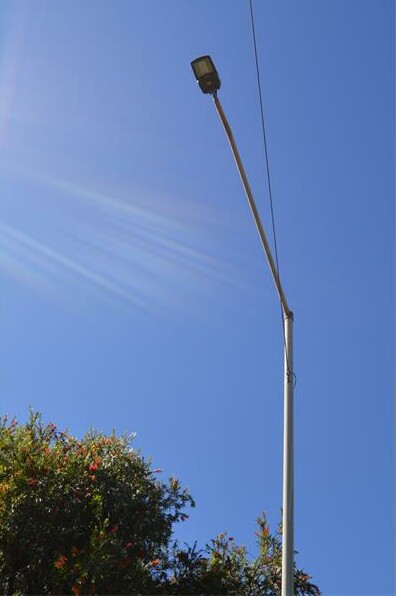
Despite municipal efforts, complaints from residents continue to pile up over broken streetlights, unsafe electrical poles, and erratic power supply.
The metro said it’s not a lack of will, but rather a combination of theft, vandalism, and strained resources that have worsened service delivery in the area.
“The streetlights are mostly affected by theft of conductors, mostly immediately after repairs,” said Lindela Mashigo, the metro spokesperson.
One such example is the persistent outage at 17th Avenue near pole number 123 where cables are reportedly stolen within days of being replaced.
Residents say the darkness creates a fertile environment for criminal activity, with increased break-ins and muggings.
Another serious concern is exposed and hanging electrical switches, particularly along De Beer Street. Residents say the loose cables pose a threat to pedestrians, especially children.
Mashigo attributes the issue to the ageing and vulnerable nature of the streetlight components.
“The photocell, which is part of the infrastructure of the streetlights, is an electro-mechanical component that is bound to fail due to electrical and mechanical faults, as well as external interferences such as theft and vandalism. These components are replaced or repaired as and when necessary, also based on the availability of resources,” he said.
The danger becomes more pronounced in areas like Hertzog Street, around pole 139, near the intersection with 17th Avenue, where prolonged outages have emboldened criminals.
“Law enforcement presence and metro police visibility are being increased to proactively and reactively make concerted efforts to deal with crime,” said Mashigo.
“Furthermore, the metro’s technicians have started with repairs to the lights in the Moot area since June 19.”
Repairs at the Koedoespoort substation, crucial for the Moot’s power grid, are another point of concern.
He explained that while Transformer 1B has received major maintenance, including gasket replacements, new bushings, and a dry end terminal box conversion, key electrical work is still pending.
“The outstanding work includes the installation of 630mm² single-core cables from the transformer to the building,” said Mashigo.
This delay was due to emergency fire damage at Brakfontein, Zwartkop, and Waltloo substations, which diverted all available resources during April and May.
“The procurement of the 630mm² single-core cable, joints, termination, lugs, and ferrules is underway, awaiting delivery,” Mashigo confirmed.
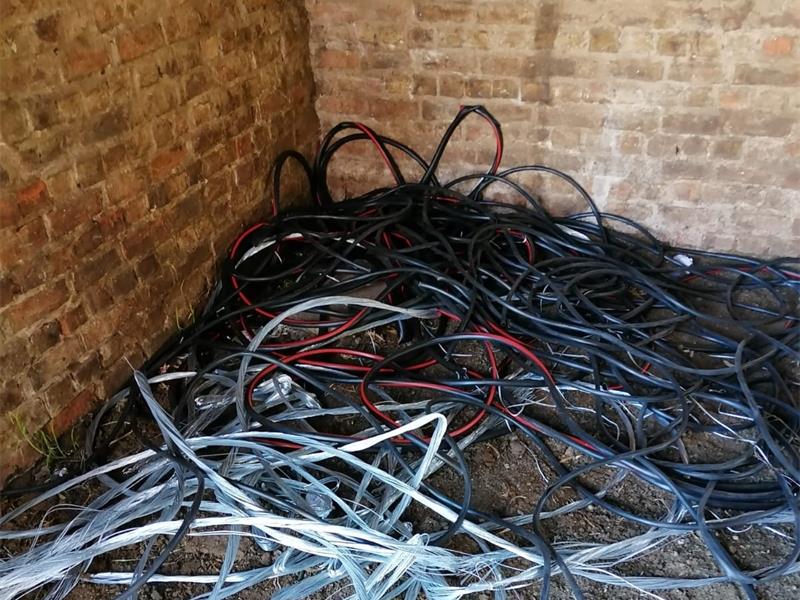
Despite this, 28 out of 29 cable joints in the Moot have been repaired, representing 97% completion of short-term stabilisation efforts.
“Implementation is falling behind maintenance needs,” Mashigo admitted. “But there are plans to gradually stabilise things from the 2025/26 financial year, in line with the guidelines.”
AfriForum has joined the fight in the Moot against failing infrastructure and stepped up its rhetoric and pressure, calling on the National Prosecuting Authority to treat cable theft as a form of economic sabotage.
“It’s completely unacceptable that criminals can steal kilometres of copper while courts treat it like petty crime,” said Jacques Broodryk, spokesperson for AfriForum’s Community Safety unit.
“This is not a petty crime. This is economic sabotage.”
AfriForum points to the estimated R46.50billion in annual losses due to cable theft across South Africa, with thousands of communities losing access to basic services such as electricity, telecoms, and emergency systems.
In a formal letter to NPA head Shamila Batohi, AfriForum demanded tougher custodial sentences for repeat offenders, recognition of cable theft at critical infrastructure as aggravated theft and restorative penalties, including full compensation for damages.
“It’s time for the NPA to stop handling copper thieves with silk gloves,” said Broodryk. “There is nothing small or insignificant about a crime that shuts down hospitals, destroys livelihoods, and cripples entire communities.”
AfriForum said it is exploring the training of specialised civilian teams to help guard infrastructure in high-risk areas and will continue to push back where government fails to act.
ALSO READ: Pretoria woman and her dog still missing
Do you have more information about the story?
Please send us an email to bennittb@rekord.co.za or phone us on 083 625 4114.
For free breaking and community news, visit Rekord’s websites: Rekord East
For more news and interesting articles, like Rekord on Facebook, follow us on Twitter or Instagram or TikTok.