Tshwane pushes ahead with cleansing levy despite public backlash
Silver Lakes Golf Estate resident, Jacques Viljoen, says for the past 13 years he has never been charged for waste removal by Tshwane until recently.
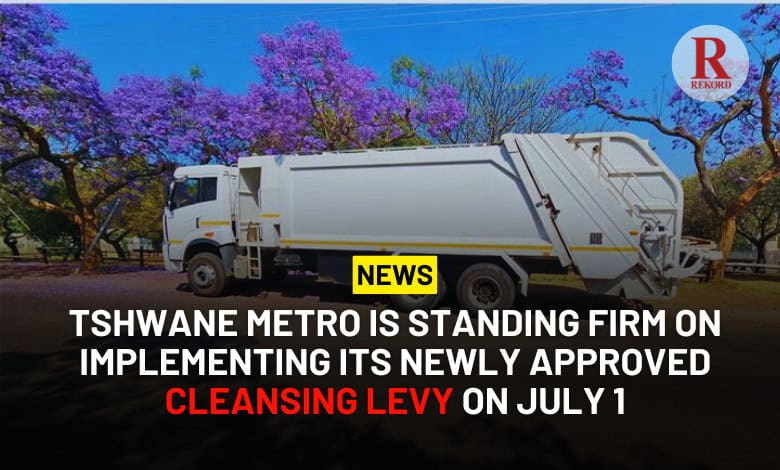
The Tshwane metro is standing firm on implementing its newly approved cleansing levy on July 1, despite objections from residents, civic organisations, and councillors, and even as legal proceedings loom.
The metro this week stated that it had completed a comprehensive review process and believed the cleansing charge to be lawful and justified.
However, residents feel that another tax disguised as a tariff is being imposed for services they already pay for and, in many cases, deliver themselves.
Ward 101 Councillor Malcolm de Klerk said the cleansing levy will hurt most estate residents in his ward, especially because of the double taxation.
“Most of my residents are already paying a company to take the waste, and the said company is paying fees to Tshwane to dump at municipal dumps.”
De Klerk said it started with one estate a couple of months ago. Now, all of a sudden, all the estates are getting charged for waste removal services even though they use private removal companies.
According to De Klerk, residents are being billed despite no Tshwane collection, while also being charged for private removal.
“It is worrying because there’s been a decade-long agreement in some cases with Tshwane that these estates will collect their own waste via private contractors and not be charged by the city.”
A resident in Silver Lakes Golf Estate, Jacques Viljoen, said that for the past 13 years, he has never been charged for waste removal by Tshwane until recently.
“What is the waste management charge disguised as ‘cleansing levy’ because Tshwane does not provide this service in Silver Lakes?
“First, Tshwane make us pay for our own road maintenance, and now they charge us for a service they do not provide. It makes no sense at all.”
Lenell Lee, Cormallen Hill Residential Estate manager, said to the best of their knowledge, residents have not received notice from the municipality that refuse removal services would commence in the area.
“No attempt has been made by the municipality to deliver waste bins, and no service schedule has been communicated, meaning they are charging residents for what they do not deliver.”
Lee said residents currently have an agreement with a private service provider, authorised by the municipality to collect, recycle and dispose of their refuse in a compliant and responsible manner.
“It appears that residents are still required to make use of private service providers as the municipality has shown no intent to actually provide a municipal service for the waste management tariff charged, in some instances, since December last year.”
She said that although the municipality recently proposed the introduction of a city cleaning fee of R185 per month for residents who make use of private service providers in the 2025-2026 budget, residents are charged for waste management.
No service is rendered by the municipality for the tariff charged, she added.
“The purpose of the city cleaning fee remains to be seen, as the private service provider is already paying a fee for using the municipality’s dumping sites.”
AfriForum’s district co-ordinator for Greater Pretoria South, Arno Roodt, said the matter will be heard in the Pretoria High Court on July 24.
“When a municipality charges you for a service, it must be in proportion to the service you actually receive.
“That’s what Section 74 of the Structures Act requires,” said Roodt.
He explained that for refuse removal, residents typically pay based on the size of the bin.
“A 240-litre bin costs over R300 monthly; smaller bins cost less. The cleansing levy, however, has no such logic. It is not linked to usage or service. It’s simply an added fee.”
According to Roodt, the metro claims the levy will cover activities such as street sweeping, litter picking, and illegal dumping services, which are already funded through other tariffs and general rates.
He said what’s most concerning is that the levy specifically targets residents not using Tshwane’s waste services.
Roodt explained that they are charging those who have opted for private providers.
“So, now they pay private contractors, continue paying city rates, and on top of that, are billed an extra R194 monthly for a ‘city cleansing’ service that they don’t even benefit from.”
He added that the metro is not fixing the core issue of inefficiency and poor service delivery.
Roodt said instead, they are punishing paying residents to patch a budget hole created by mismanagement.
AfriForum has pointed out that community members are already stepping in where the metro fails.
Roodt has encouraged residents to sign a petition against the levy, which they plan to submit in court as part of their evidence of public opposition.
He urged residents to get involved.
Ward 85 councillor Jacqui Uys was equally critical of the levy.
“This budget not only uses residents as cash cows; it deepens the ANC’s systemic grip on poor communities,” she said.
“They are using the vulnerabilities of the marginalised to maintain a false sense of heroism, all while protecting patronage networks.”
Uys said the city cleansing levy is being marketed as a service; however, its details are murky.
She added that they are told it’s only for residents who don’t use the city’s waste removal.
“However, those same residents already pay private collectors, who in turn pay the city to use dumping grounds. They’re now being charged twice.”
She noted a glaring inconsistency in the metro’s claim.
Uys wanted to know if the purpose is to clean the city, why hasn’t the budget allocation for cleansing services increased?
“The numbers don’t add up. The metro isn’t allocating more to cleaning but just charging more.”
Uys warned the levy could unfairly penalise lower-income households who can’t afford Tshwane’s R500 waste removal fee and seek more affordable private services.
“Instead of helping them, the city is imposing a punitive R200 fee on those trying to make ends meet.”
However, metro spokesperson Lindela Mashigo defended the levy, saying it was developed per national legislation.
“The cleansing charge is not a tax,” she said.
“It is a service-related surcharge provided for in Section 229(1)(a) of the Constitution and Sections 74 and 75A of the Municipal Systems Act.”
According to Mashigo, the metro cleansing service includes non-billable activities like litter picking, clearing illegal dumping sites, and street sweeping, all aimed at maintaining a clean and sustainable urban environment.
“These services are not covered by private providers. The charge is necessary to fund these essential functions,” he explained.
He added that the cleansing levy was properly included in the metro’s 2025/26 Draft Medium Term Revenue and Expenditure Framework, which underwent public participation.
Mashigo said the concerns from AfriForum were considered.
“The city determined that the levy is not in conflict with any legislation and is justified.”
Do you have more information about the story?
Please send us an email to bennittb@rekord.co.za or phone us on 083 625 4114.
For free breaking and community news, visit Rekord’s websites: Rekord East
For more news and interesting articles, like Rekord on Facebook, follow us on Twitter or Instagram or TikTok.