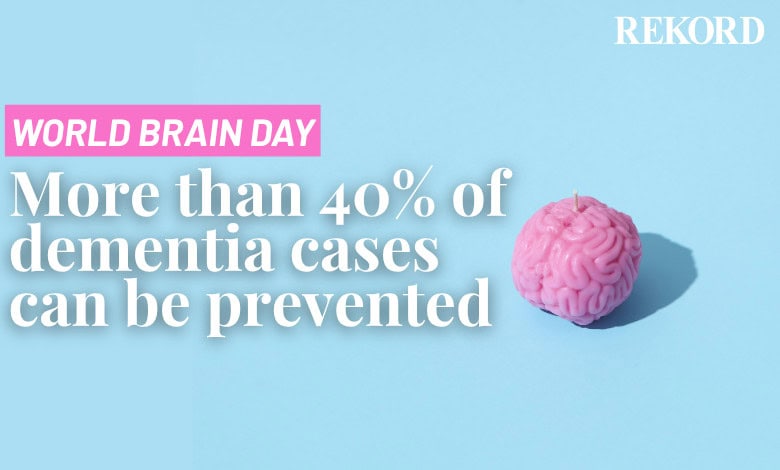
World Brain Day: More than 40% of dementia cases can be prevented
Experts are calling on all South Africans to prioritise brain health from the earliest stages of life.
The World Health Organization estimates that 57 million people globally live with dementia, with this number expected to reach 153 million by 2050.
A total of 60% of people with dementia live in low- and middle-income countries, but this will rise to 71% by 2050.
Welma Geldenhuys, senior social worker of the Association for Dementia and Alzheimer’s of South Africa in Pretoria, said that for the association, World Brain Day is about creating awareness for communities and families of how to let people with dementia live lives of dignity and quality.
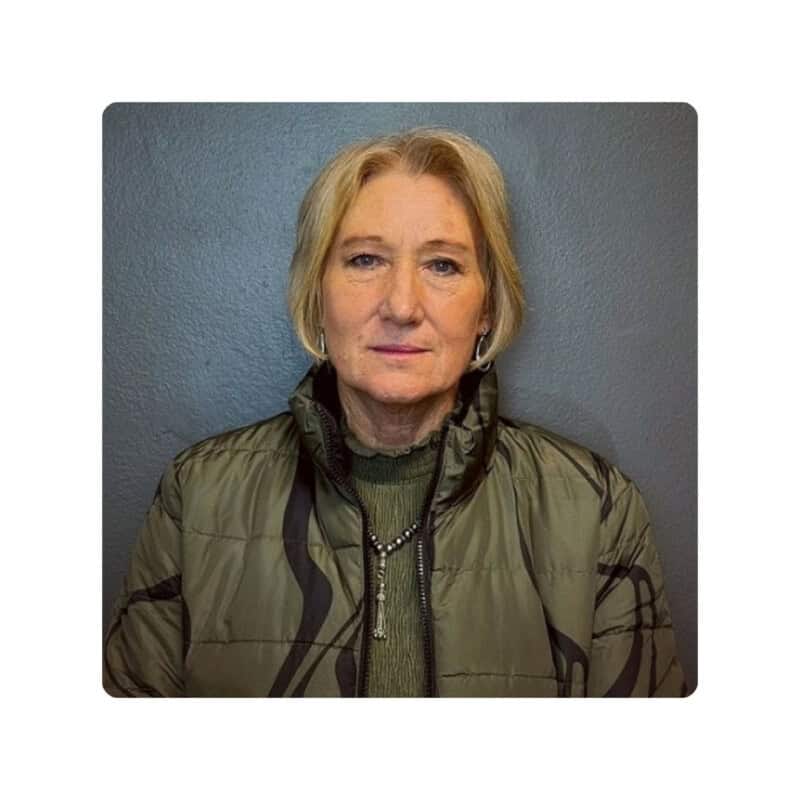
“At the association, this is something we truly advocate for,” said Geldenhuys.
Overall, around 45% of cases of dementia are potentially preventable by addressing 14 modifiable risk factors at different stages during the life course.
These include things such as not completing secondary education, social isolation, and depression, as well as several medical conditions such as hypertension, obesity and diabetes.
“We need to get the word out that it is important to get a professional diagnosis of the illness by an expert medical professional because the right treatment and medication can be administered,” explained Geldenhuys.
Diet might also be an important aspect to look at in addition to these 14 factors, and has a key role in reducing the risk of chronic diseases that affect dementia risk.
Speaking ahead of World Brain Day, Dr Patty Francis, president of the Neurological Association of South Africa, said dementia is no longer an inevitable consequence of old age, but ‘the result of decades-long exposure to modifiable risk factors’.
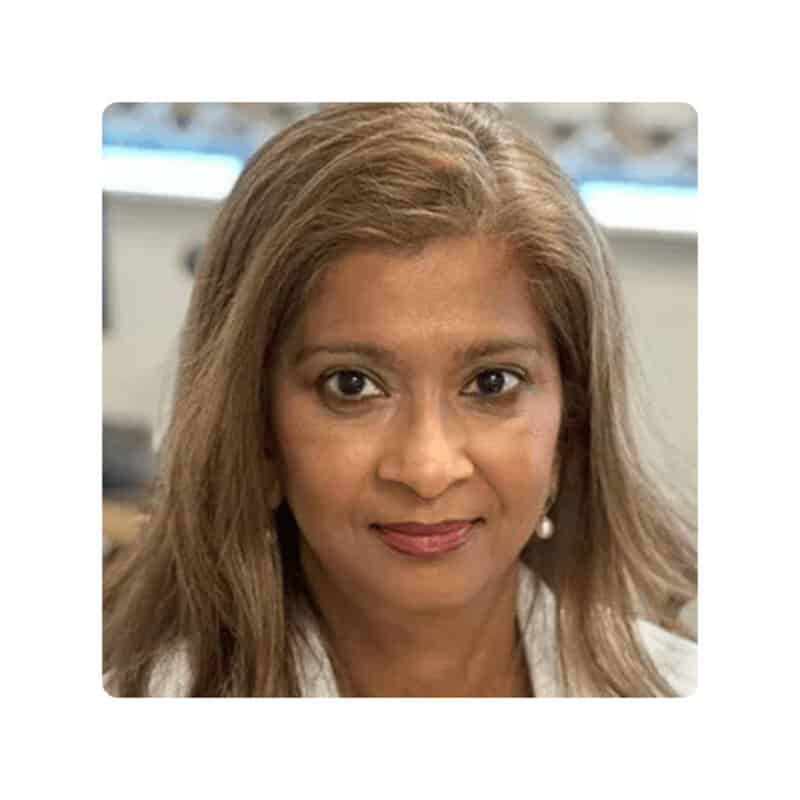
Dr Francis said the brain is highly sensitive to long-term physical, emotional, and environmental stressors.
“The rise in dementia in our region is deeply concerning, considering that we carry high burdens of HIV, hypertension, diabetes and stroke, all of which are linked to increased dementia risk,” she said.
“The most powerful message we can share this World Brain Day is that dementia is not just about ageing, it’s about lifelong brain health. What we do in our 30s, 40s and 50s has a direct impact on our risk later in life.”
Although addressing risk factors at an early stage of life is desirable, there is also a benefit from tackling risk throughout life; it is never too early or too late to reduce dementia risk.
“Dementia does not happen overnight. It often starts with decades of unmanaged risk factors such as high blood pressure, physical inactivity, obesity, smoking, poor sleep, alcohol abuse, and hearing loss, all of which silently damage brain tissue. When addressing these, research shows dementia could be prevented or delayed in up to four in 10 cases.”
“Every stage of life offers an opportunity to protect your brain,” said Dr Francis. “From maternal nutrition to childhood immunisation, and from midlife stress management, to staying socially connected in older age. Preventions start early and are lifelong.”
While dementia presents differently in each person, common warning signs include:
– Memory loss that disrupts daily life
– Difficulty performing familiar tasks
– Language problems such as difficulty in speaking or writing
– Confusion with time and place
– Trouble understanding visual images
– Misplacing things and losing the ability to retrace one’s steps
– Decreased or poor judgement
– Personality or mood changes
– Withdrawal from work or social activities
– Problems with reasoning or problem-solving.
Other red flags include trouble with planning and organising, poor co-ordination and control of movements, and confusion and disorientation.
“It’s important not to dismiss symptoms as just getting older,” Dr Francis said. “Even in younger adults, persistent cognitive changes should be assessed by a neurologist or specialist physician.”
Some forms of dementia are amenable to therapy, such as HIV-related dementia or deficiency in vitamin B12.
While there is currently no cure for Alzheimer’s disease, early diagnosis and treatment can significantly slow progression and improve quality of life, with options, including:
– Medication to manage cognitive symptoms and behaviour
– Cognitive rehabilitation
– Occupational therapy
– Management of underlying conditions like hypertension or diabetes.
Dr Francis said new drug developments, such as anti-amyloid therapies, are promising but remain costly and limited in availability in most low- and middle-income countries.
“In South Africa, our most urgent need is access to early screening and specialist care, particularly in under-resourced communities.
“We also need to destigmatise dementia, so families feel supported, rather than isolated,” she added.
“This World Brain Day, we are calling on all South Africans to prioritise brain health from the earliest stages of life.
“Healthy brains build healthy communities and the power to prevent dementia starts with awareness, education and action.”
If you suspect someone you know is showing signs of dementia, you can get support and guidance from your local GP or community clinics for referral to specialists, or Alzheimer’s South Africa.
A workshop on dementia will be held on August 20 at the Sungardens Hospice in Lynnwood, Pretoria, by Alzheimer’s South Africa from 09:00 to 13:00. More information is available from Welma Geldenhuys, who can be called on 082 821 4862, or visit the ADASA website on www.adasa.org.za.
Do you have more information about the story?
Please send us an email to bennittb@rekord.co.za or phone us on 083 625 4114.
For free breaking and community news, visit Rekord’s websites: Rekord East
For more news and interesting articles, like Rekord on Facebook, follow us on Twitter or Instagram or TikTok.