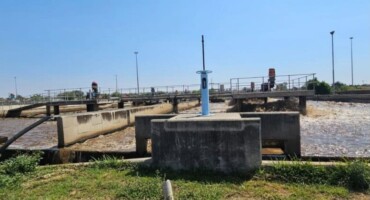
Wastewater plant upgrade continues with promises for cleaner water
Hammanskraal’s fight for clean water may finally see progress, as the Rooiwal Wastewater Treatment Works enters a critical upgrade phase under close municipal oversight.
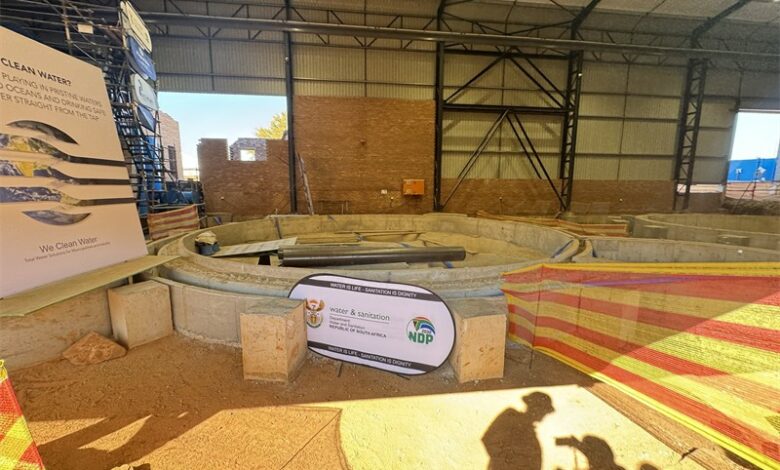
For years, Hammanskraal residents have lived under the shadow of a water crisis that has eroded public trust, sparked protests, and raised serious health concerns.
The quality of drinking water in the area has often been questioned, with several reports highlighting unsafe conditions.
Now, the metro believes that a major step toward restoring that trust is well underway, and it begins at the Rooiwal Wastewater Treatment Works.
Recently, members of the Section 79 Oversight Committee for Utility Services visited Rooiwal to assess progress on its large-scale refurbishment.
The project, one of the metro’s most critical infrastructure undertakings, aims to improve the quality of water processed by the plant and ultimately supplied to Hammanskraal.
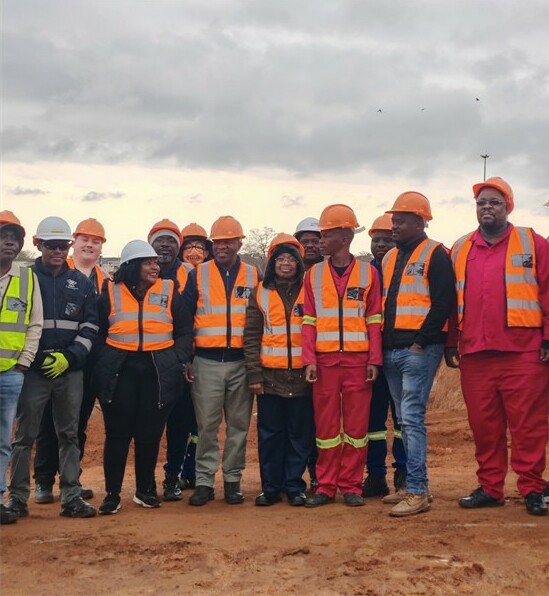
Committee chairperson for utility services, Flora Monama, underscored the importance of the project.
“The optimal functionality of the Rooiwal Wastewater Treatment Works and the quality of water to the residents of Hammanskraal is of utmost importance to the city.
“The refurbishment of this plant will significantly improve water quality, and we will continue to perform strict oversight to ensure that this project reaches completion.”
The Development Bank of South Africa (DBSA), appointed as the implementing agent, presented a comprehensive progress report to the oversight committee.
According to DBSA, Phase 1A of the refurbishment, carried out by contractors Uyapo Engineering Projects and Magand Projects Pty (Ltd), has been completed within the stipulated 12-month timeframe.
The contractors are now addressing any defects that arise during the defect liability period.
Work has since moved into Phase 1B, which began in April this year and involves extensive civil works aimed at upgrading the plant’s operational efficiency and capacity.
Committee members, during the inspection, raised probing questions about budget management, timelines, and the likelihood of meeting the projected completion date.
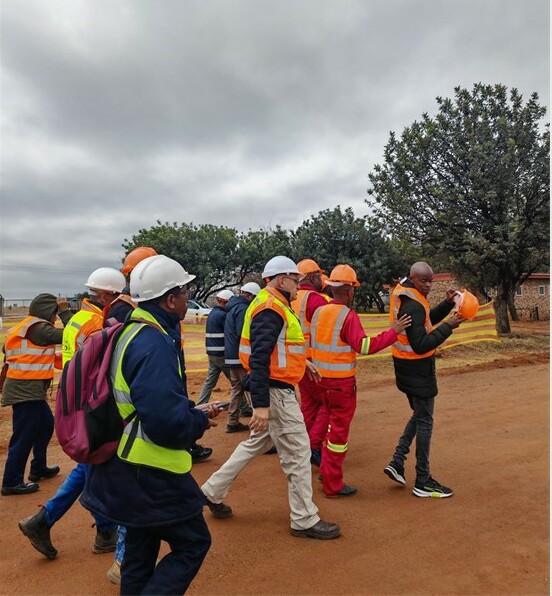
Both DBSA and the contractors assured them that the project remains on schedule and the allocated budget is being spent responsibly.
The metro has repeatedly stressed that oversight committees are vital in ensuring large-scale municipal projects remain on track.
For the Rooiwal project, this has been particularly important, given Hammanskraal’s history of water quality problems and the public’s scepticism about whether promised improvements will materialise.
Hammanskraal’s water quality issues have been a matter of public outcry for years.
Residents have long complained about discoloured, foul-smelling water and the health risks associated with it.
While the metro has provided interim water supply measures in the past, such as water tankers, these have been inconsistent and unsustainable.
The refurbishment of Rooiwal is seen as a long-term, sustainable solution that will not only address current water safety concerns but also provide capacity for the area’s growing population.
For many residents, the stakes could not be higher. “We just want clean, safe water in our taps. If this project can make that happen, it will change our lives,” said Refilwe Makhubela, a Hammanskraal resident.
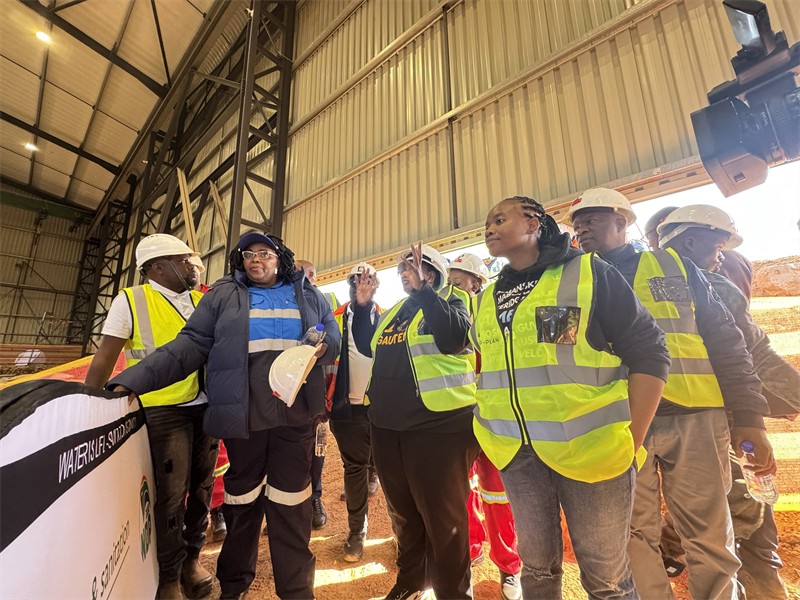
The project has been carefully monitored to ensure public funds are used effectively.
The metro and DBSA confirmed that Phase 1A was delivered within the allocated budget, a development that has bolstered confidence in the project’s management.
Monama said phase 1B is currently underway, and the contractors have pledged to meet all deadlines.
She said this phase is critical as it will involve finalising civil works and ensuring the plant’s optimal functionality before commissioning.
The oversight committee has committed to ongoing monitoring of the refurbishment until completion.
Monama reiterated that oversight would remain firm.
“This is not just about building infrastructure; it is about delivering a basic human right. Water is life, and this project will ensure that the people of Hammanskraal can trust what flows from their taps.”
Mayor Dr Nasiphi Moya said a permanent line is being finalised, which will supply water to the third reservoir at the Temba plant.
“Water testing continues, and residents are advised not to drink the water.
“We apologise to Hammanskraal residents who’ve long battled with a lack of access to safe drinking water. We’ve taken this matter into account, and our teams are working to ensure that more areas are supplied with water in the next few weeks,” she said.
Do you have more information about the story?
Please send us an email to bennittb@rekord.co.za or phone us on 083 625 4114.
For free breaking and community news, visit Rekord’s websites: Rekord East
For more news and interesting articles, like Rekord on Facebook, follow us on Twitter or Instagram or TikTok.