Typhoid spike in Tshwane: Here’s what you need to know about the symptoms
A spike in typhoid cases was recorded in parts of Tshwane — here’s how to spot the symptoms and keep your family safe.
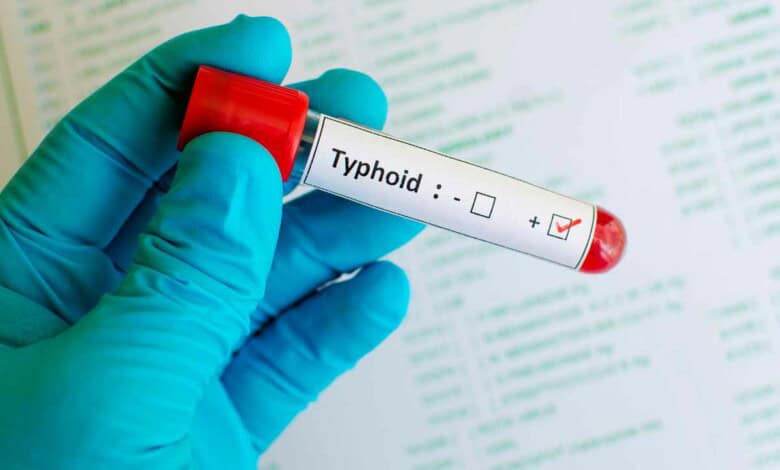
The City of Tshwane has warned residents to stay vigilant following a spike in typhoid cases detected in Bronkhorstspruit and Hammanskraal.
Health officials have urged communities to drink only treated municipal water and to seek medical attention immediately if symptoms appear.
According to the officials, preliminary results of recent drinking water samples taken and tested have not determined an epidemiological link between these cases.
Furthermore, the results have not yet determined the source of the contamination.
“The city takes these reports seriously and will intensify its investigations, working closely with the Department of Health, the Department of Water and Sanitation (DWS) and the National Institute for Communicable Diseases (NICD) to ascertain the root cause of the increase in these cases.”
The City of Tshwane furthermore said it would like to appeal to communities to refrain from using untreated river or borehole water for domestic purposes, as a precautionary measure.
“Only piped municipal water that has been properly treated and tested should be used for drinking and cooking.@
Communities are urged to observe hygiene protocols, which include but not limited to washing their hands with soap and water, and also to practice hygienic and safe storage of water.
What is Typhoid fever?
Typhoid fever is an illness you get from S. Typhi bacterium. It causes a high fever, flu-like symptoms and diarrhea. You can be contagious with typhoid even if you don’t feel sick. Typhoid can be life-threatening and should be treated promptly with antibiotics.
What are the symptoms of typhoid fever?
Typhoid fever gets its name from a high fever that can last for weeks if left untreated. It often gets progressively worse over a few days.
Other symptoms of typhoid fever include:
- Headache.
- Chills.
- Loss of appetite.
- Stomach (abdominal) pain.
- “Rose spots” rash, or faint pink spots, usually on your chest or stomach.
- Cough.
- Muscle aches.
- Nausea, vomiting.
- Diarrhea or constipation.
Also read: Little blind and deaf Beeno still missing
Do you have more information about the story?
Please send us an email to bennittb@rekord.co.za or phone us on 083 625 4114.
For free breaking and community news, visit Rekord’s websites: Rekord East
For more news and interesting articles, like Rekord on Facebook, follow us on Twitter or Instagram or TikTok.