DA MPL barred from inspecting abandoned Staatsmuseum
It has raised fresh concerns about the deteriorating national heritage site and the fate of its historic collections.
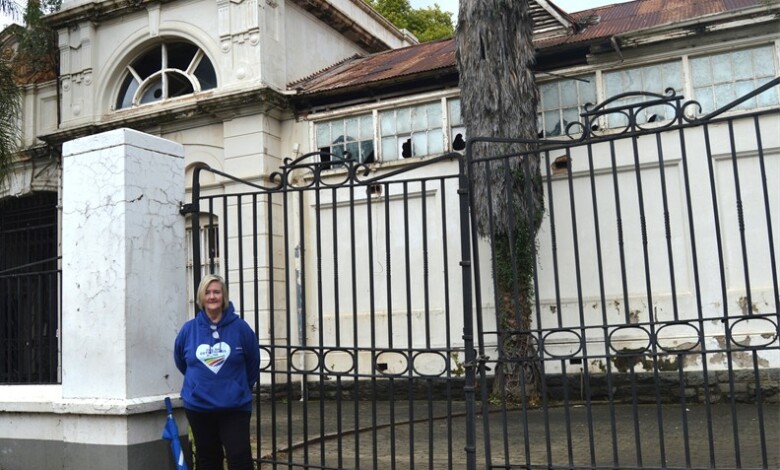
A routine oversight visit to Pretoria’s abandoned Staatsmuseum turned contentious when DA MPL Leanne de Jager was denied entry to the premises on March 5.
The incident has renewed scrutiny over the neglected and abandoned museum and the fate of its historic collections.
The museum, founded in 1892 to preserve the natural and cultural history of the former Zuid-Afrikaansche Republiek, was once a centrepiece of heritage preservation.
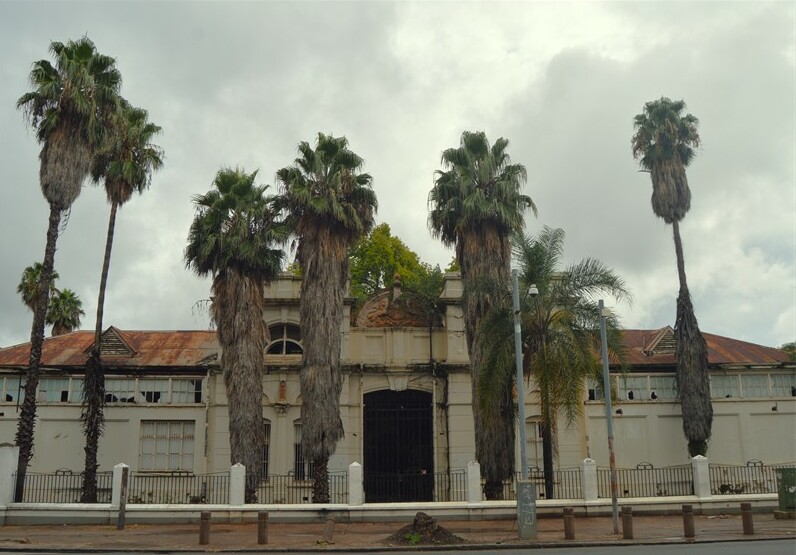
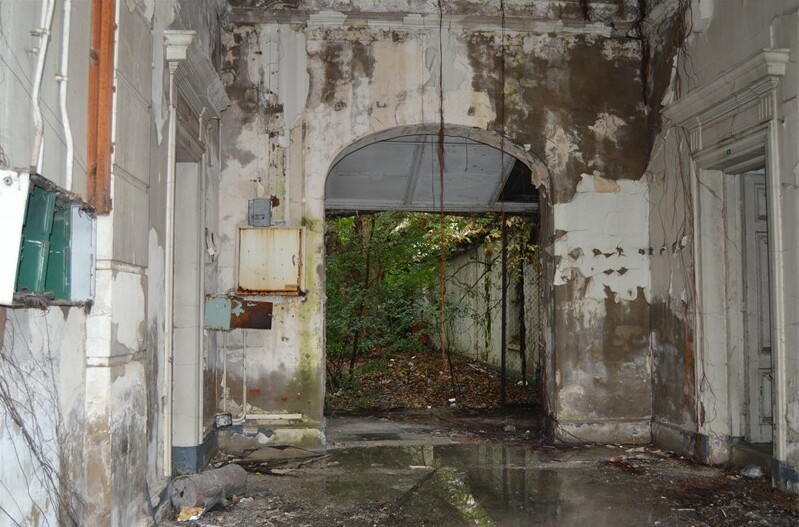
Today, however, the historic building on Boom Street stands empty and is deteriorating by the day, despite its status as a national monument and its central place in the history of museums in South Africa.
De Jager attempted to inspect the abandoned site on Thursday as part of her oversight responsibilities relating to heritage and cultural institutions in her portfolio of Sports, Arts, Culture and Recreation.
However, she was prevented from entering the premises, which are accessed through the grounds of the Pretoria Zoo.
De Jager said that, despite having the authority to conduct unannounced oversight visits to public facilities, she was stopped at the entrance and denied access by zoo management.
The refusal was based on claims that she required prior permission or an appointment to enter the site.
“This is a national heritage building that has been standing abandoned for decades,” De Jager said. “As an MPL, I have the authority to conduct oversight visits, yet I was not allowed to enter the premises to inspect the condition of the museum.”
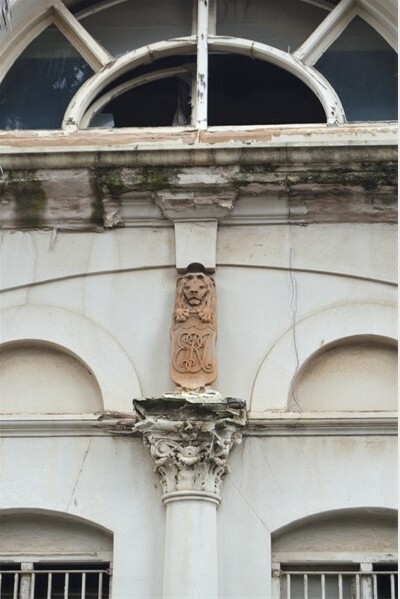
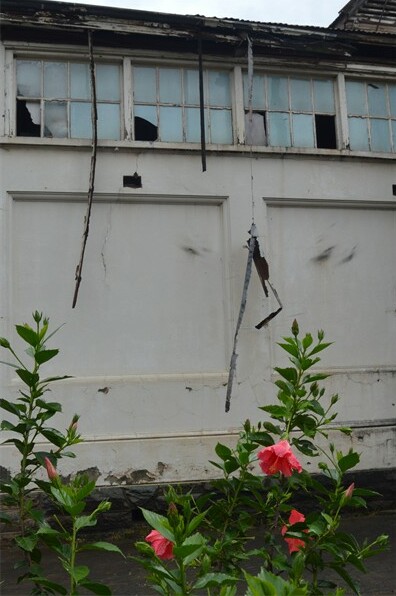
The building has been abandoned since 1991/1992 and is not open to the public.
The Staatsmuseum was formally constituted on December 1, 1892. Initially housed in a room in the Raadsaal on Church Square, the institution later moved to the Old Market Hall before eventually relocating to a purpose-built museum building on Boom Street in 1904.
The museum was originally established to collect and display South Africa’s natural specimens, cultural artefacts, art and antiquities.
It later evolved into the Transvaal Museum and ultimately became part of the Ditsong Museums network.
Ditsong Museums is managed as a public entity under the national Department of Sport, Arts and Culture (DSAC). It is an amalgamation of eight museums in Pretoria and Johannesburg.
The museum is thus regarded as a national heritage asset managed under the DSAC.
While Ditsong Museums of South Africa manages the collections, the building is generally part of the national government’s public property portfolio managed via the Department of Public Works and Infrastructure.
De Jager said during its early decades, the museum played a significant role in building historical awareness in the Transvaal and preserving artefacts from the region’s diverse communities.
“Over the years, the institution expanded its collections and exhibitions. By the mid-twentieth century, it housed displays relating to Voortrekker culture and broader South African history, including a Louis Botha collection and a Voortrekker collection. An Anglo-Boer War collection was later added, while cultural history exhibitions continued to draw visitors for decades,” explained De Jager.
However, the museum’s fortunes began to decline towards the end of the twentieth century.
The building was eventually abandoned in 1991 after severe damage caused by burst water pipes destroyed parts of the displays and infrastructure.
While many of the museum’s collections were moved to other facilities within the national museum network, the historic structure itself was left unused.
Today, the building still stands within the grounds of the National Zoological Gardens in Pretoria’s central business district, but it has remained largely inaccessible and visibly deteriorating.
De Jager said the condition of the site raises serious questions about how South Africa’s cultural heritage is being protected.
She said the issue goes beyond the physical building and includes concerns about the safeguarding of historic artefacts once housed there.
She is currently investigating what happened to the museum’s collections and where they are stored, particularly items donated by families and historical figures.
Among the items she hopes to trace are collections donated by families to the museum during the twentieth century, including artefacts gifted by political leaders and private collectors.
Some of these donations date back decades and were entrusted to the institution for preservation and public education.
According to De Jager, understanding the current location and condition of these artefacts is essential to ensuring they remain protected for future generations.
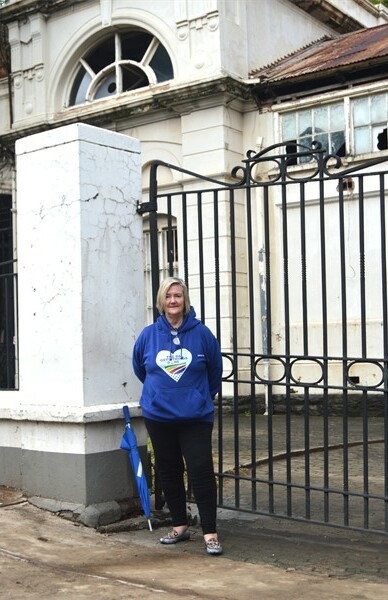
She said her own interest in heritage preservation developed during her professional career at the Department of International Relations and Co-operation.
“We should be looking after and protecting our cultural heritage,” she said, adding that during more than two decades working in various countries, she helped catalogue and register cultural assets housed in South African embassies.
“In embassies, we would put cultural assets on a register so that treasures like artworks can be protected,” she said.
De Jager believes similar diligence should apply to heritage objects held in museums and other cultural institutions across the country.
“I love protecting cultural assets for the next generations to learn from what happened at a certain time and to learn respect for each other’s culture by coming to know more of the past,” she said.
The museum also holds personal significance for De Jager.
She recalled visiting the institution when she was younger and being fascinated by some of its exhibits.
“I remember visiting the museum when I was younger and seeing an Egyptian mummy there,” she said.
The experience, she said, demonstrated how museums can inspire curiosity and understanding of global history.
Her concerns about the site have now prompted her to seek assistance from the South African Heritage Resources Agency.
De Jager confirmed she has sent written questions to the MEC for Sports, Arts, Culture and Recreation in the Gauteng Provincial Legislature and will approach Ditsong to investigate how the historic museum was abandoned and how it can be preserved or repurposed.
Under South Africa’s National Heritage Resources Act, objects of cultural, historical or scientific significance form part of the national estate and are legally protected.
The law provides mechanisms for heritage objects or collections to be formally declared and requires custodians to ensure they are properly maintained and stored in secure conditions.
It also makes it a criminal offence to damage or disperse protected heritage objects without the necessary permits.
De Jager believes the situation at the Staatsmuseum highlights broader concerns about the protection of cultural heritage infrastructure.
Despite being denied entry during Thursday’s attempted inspection, De Jager said she remains determined to pursue the matter.
“It will not deter me,” she said.
Her investigation is expected to continue in the coming weeks as she seeks clarity on the condition of the building, the location of historic collections and the responsibilities of the various authorities involved in managing the site.
Questions have been forwarded to the ministerial office of the Department of Arts and Culture as well as the Department of Public Works and Infrastructure, but no answers have been received by the time of publication.
ALSO READ: Celebrate SA’s unique animal and plant species during National Gardens Week
Do you have more information about the story?
Please send us an email to bennittb@rekord.co.za or phone us on 083 625 4114.
For free breaking and community news, visit Rekord’s websites: Rekord East
For more news and interesting articles, like Rekord on Facebook, follow us on Twitter or Instagram or TikTok or WhatsApp Channel