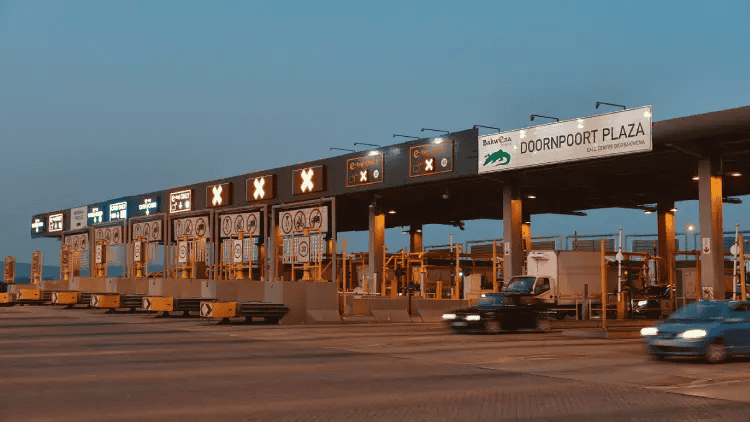
Motorists in the north of Pretoria have raised concerns following the latest toll fee increase affecting key routes used daily by thousands of residents.
The adjustments, which came into effect on March 1, have added to mounting financial pressure on households and businesses already grappling with rising living costs.
Peter Kriel from Doornpoort said the timing of the increase is especially concerning.
“Everything is going up, fuel, groceries, electricity, and now tolls again. It might seem like small amounts, but if you travel every day, it adds up quickly,” he said.
Mashudu Komape of Montana said, “We don’t have many realistic alternative routes because of the mountain. We are forced to use these roads, so it doesn’t feel like a choice. They need to consider the economic pressure families are under.”
Ward councillor Freddie Pienaar confirmed that residents have voiced frustration about the repeated increases, saying the impact is being felt across communities and industries.
“Yes, indeed so,” Pienaar said in response to concerns that toll hikes are placing additional financial strain on households.
He acknowledged that while alternative routes technically exist, their condition and capacity make them impractical for many commuters.
“There are limited alternative options, not because there is no infrastructure, but because of the condition of the infrastructure,” he explained.
Pienaar pointed to congestion issues on routes such as the Bakwena corridor over the mountain.
While some roads, including parts of the Wonderboom area, are relatively well maintained, he said traffic volumes are extremely high, causing travel delays.
He also highlighted the narrow stretch around Bon Accord Dam, which requires increased capacity.
According to Pienaar, planning for upgrades is underway after the project was taken over by the South African National Roads Agency Limited (Sanral) from the provincial government.
However, the first phase of construction, initially expected to begin more than a year ago, has been delayed due to complications involving informal settlers occupying the route reserve.
Pienaar confirmed that he has engaged with Sanral and Bakwena, and that a petition is being prepared for submission to Parliament.
“It’s escalated to a national level,” he said, adding that negotiations are underway to secure concessions for residents living on the northern side of the mountain.
He said one proposal under discussion is a frequent user discount, which would be linked to an electronic system verifying motorists’ home addresses to determine eligibility.
“The percentage is still in negotiation and Sanral’s system would need to be adapted to accommodate a revised discount structure. Feedback from Sanral and Bakwena is still pending,” said Pienaar.
Pienaar said businesses are also feeling the pressure as the impact is particularly visible in industrial areas.
He said manufacturers face higher transportation costs, especially when trucks pass through toll gates, which could ultimately result in higher prices for consumers.
He added that trucks diverting to alternative routes have contributed to road deterioration, as those roads were not designed to handle heavy traffic loads.
While acknowledging public frustration, Pienaar noted that toll fees cannot simply be scrapped due to existing contractual agreements between Sanral and Bakwena, which include investor obligations and maintenance commitments extending to around 2030.
“It’s not as simple as just removing the toll. This needs to be a joint effort from Sanral and Bakwena to look at proposals to accommodate residents.”
Priya Pillay of Sanral said the toll fees charged at Bakwena’s toll plazas have been determined by considering numerous factors. These include fuel, time and vehicle maintenance savings for the road users, traffic volumes, the length of the section of road, cost of construction and the impact on the affected economies.
Pillay said toll fees are adjusted annually based on the average Consumer Price Index (CPI) from the previous year’s measurement period, and this adjustment process is established during the public participation phase when a toll route is introduced.
ALSO READ: Community member and TMPD bike unit save Hammanskraal infant ditched in hole
Do you have more information about the story?
Please send us an email to bennittb@rekord.co.za or phone us on 083 625 4114.
For free breaking and community news, visit Rekord’s websites: Rekord East
For more news and interesting articles, like Rekord on Facebook, follow us on Twitter or Instagram or TikTok or WhatsApp Channel