Outsourced water tankers are out, says metro
This is a move away from a costly model to a more sustainable internal fleet. The fleet has been expanded to 41 tankers.
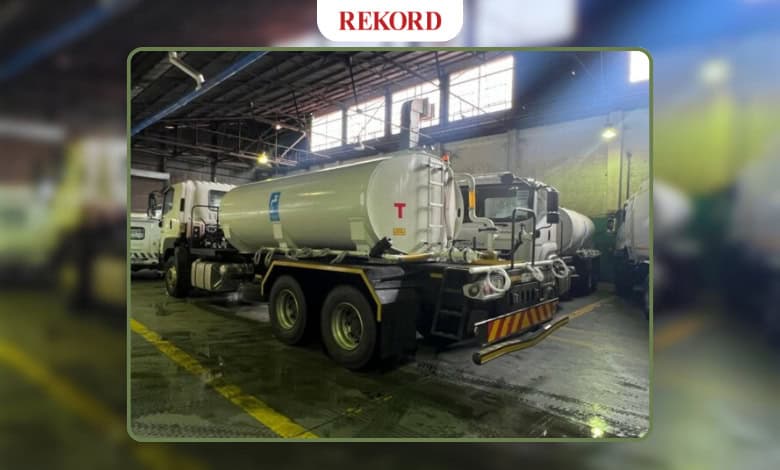
The Tshwane metro will discontinue the use of outsourced water tankers in formal areas from April 1, shifting instead to an expanded internal fleet as part of a broader plan to stabilise water services.
The move forms part of the metro’s water stabilisation plan, which aims to transition from what it describes as an ‘unsustainable and costly’ outsourced model to a more sustainable, municipality-led system.
Metro spokesperson Lindela Mashigo said adjustments to the water tankering programme will take effect for the remainder of the financial year.
“As part of the city’s broader water stabilisation plan and the transition to a more sustainable, municipal-led service model, adjustments have been made to the water tankering programme,” said Mashigo.
“This follows a deliberate shift away from an unsustainable and costly outsourced model, towards strengthening internal capacity and restoring long-term system stability.”
From April, formalised areas supplied by the Water and Sanitation Business Unit (WASABU) will no longer receive outsourced water tankers during outages or supply interruptions.
However, the metro said emergency support will continue through its own fleet, which has now been expanded.
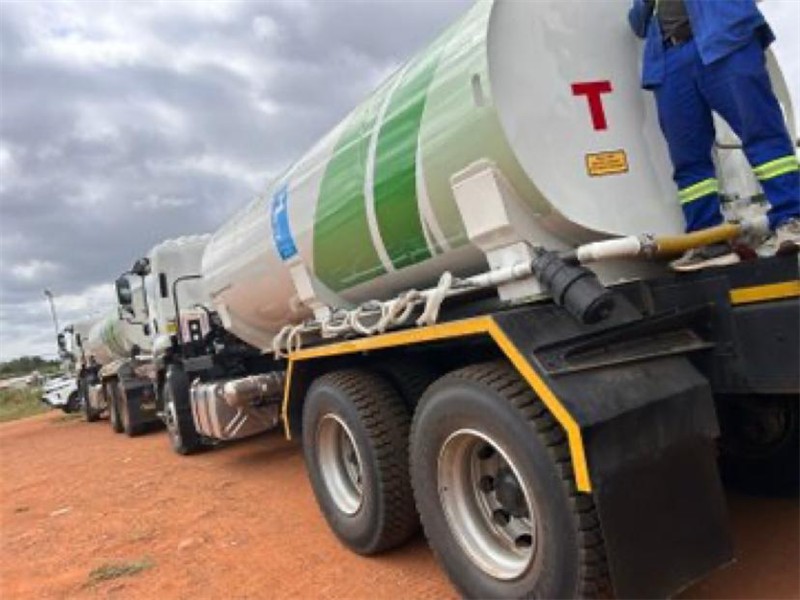
“As part of this transition, the city is strengthening its internal service delivery model by deploying an expanded fleet of 41 city-owned water tankers, increasing from the previous 20,” Mashigo said.
“These resources will be strategically prioritised to respond to critical water supply interruptions across approved service areas.”
The shift marks a significant change in how the city responds to water outages, with a greater focus on internal capacity and long-term infrastructure improvements rather than emergency outsourcing.
Mashigo said the move is intended to improve operational control and reduce long-term costs while stabilising the water network.
“Through careful reprioritisation, the city is now transitioning towards a more sustainable, internally driven model that strengthens operational control and long-term resilience,” he said.
“This enables a shift from emergency interventions to planned infrastructure investment.”
The metro acknowledged that the transition may cause inconvenience for residents, particularly those who rely on tanker deliveries during prolonged outages.
“We acknowledge that this transition may cause some inconvenience and appreciate residents’ understanding as the city works to stabilise and optimise service delivery,” Mashigo said.
Residents have been urged to use water sparingly and to report faults such as burst pipes, leaking meters and sewer blockages to the city’s call centre.
Despite the changes, the metro confirmed that this move will not be affected in informal settlements.
“This adjustment will not affect the provision of rudimentary water services to informal settlements, which will continue to receive water supply support through the Human Settlements Department, in line with existing arrangements,” Mashigo said.
Mashigo added that it has taken steps in recent months to sustain water tankering services while addressing underlying infrastructure challenges.
These measures include efforts to reduce system failures and improve the reliability of the broader water network.
While the expanded fleet is expected to provide some relief during emergencies, the success of the new model will depend on how effectively the metro can respond to outages and maintain its infrastructure.
ALSO READ: Locals say rising fuel costs will only make the ‘poor get poorer’
Do you have more information about the story?
Please send us an email to bennittb@rekord.co.za or phone us on 083 625 4114.
For free breaking and community news, visit Rekord’s websites: Rekord East
For more news and interesting articles, like Rekord on Facebook, follow us on Twitter or Instagram or TikTok or WhatsApp Channel