Locals say rising fuel costs will only make the 'poor get poorer'
Rekord spoke to some Pretoria residents about their views on the recent price hike effective from April 1.

Pretoria residents say that the fuel price increases will hit their pockets hard, after South Africa’s Minister of Mineral and Petroleum Resources, Gwede Mantashe, announced fuel price increases in March.
He said further major hikes could be expected in April.
These monthly adjustments are regulated by the Department of Mineral and Petroleum Resources.
Finance Minister Enoch Godongwana announced that additional April increases to the fuel price in South Africa are primarily driven by rising international oil prices, due to Middle East conflicts and a weaker rand/dollar exchange rate.
Recent hikes are intensified by shipping disruptions, reduced local refining capacity, and increased government fuel levies.
The conflict has disrupted items such as crude oil, petroleum products, LP Gas, and paraffin.
Speaking to Rekord, community members expressed concern about these fluctuating fuel prices that only ‘make the poor get poorer’, as one community member, Mfanafuthu Madonsela, put it.
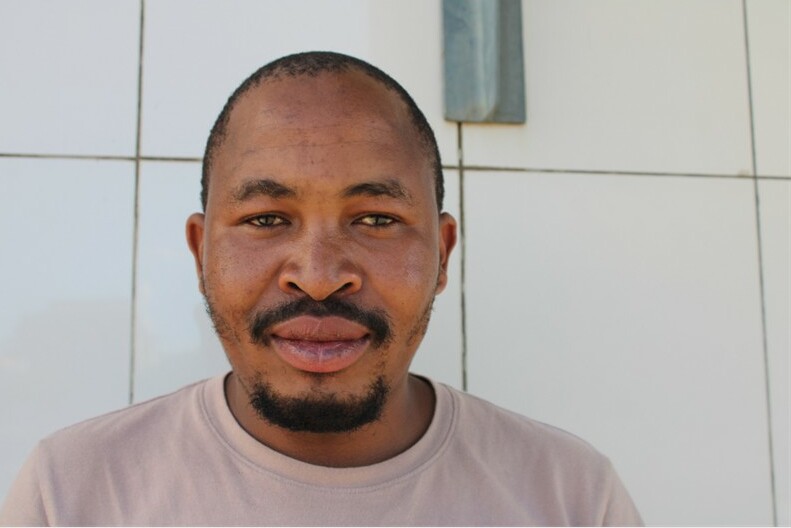
“As ordinary citizens who depend on fuel to carry out daily activities like transport, food, and travel to work, we will be highly affected as businesses and traders will need to keep up with the fuel price. The costs will be carried by end users, who are consumers. Our income doesn’t increase at the same [time] as our expenses,” said Madonsela.
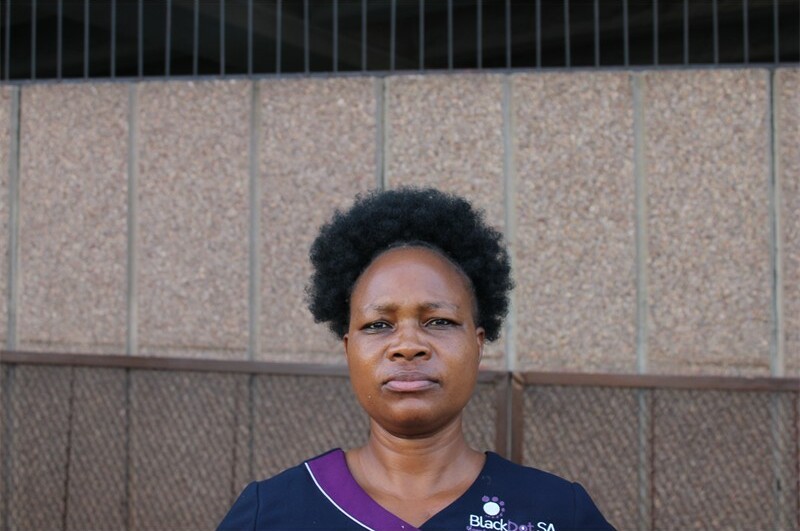
Catherine Shabalala said the fuel price affects everything, as things like food and transport will increase. “It is going to make almost everything difficult, as we are on the edge of paying double the price we used to pay for goods.”

Palesa Makhanya said this fuel price hike is impacting public transport users even more as prices increase when fuel prices increase, but when the fuel price drops, public transport prices hardly drop at the same price rate they increased.
“I pay around R700 from home to come study here in Pretoria, which was a lot for me already. By the look of things, I might be paying 50% more by the time I go home for recess,” said Makhanya.
Tibatso Mathiba (25) said electric cars should not be a debate anymore, as fuel prices keep rising.
“It is literally becoming impossible to keep up with this fuel hike and every hike hits harder, especially when you’ve been fighting to stay afloat. We need smarter and more sustainable solutions and electric cars are the answer. They are environmentally friendly as well,” said Mathiba.
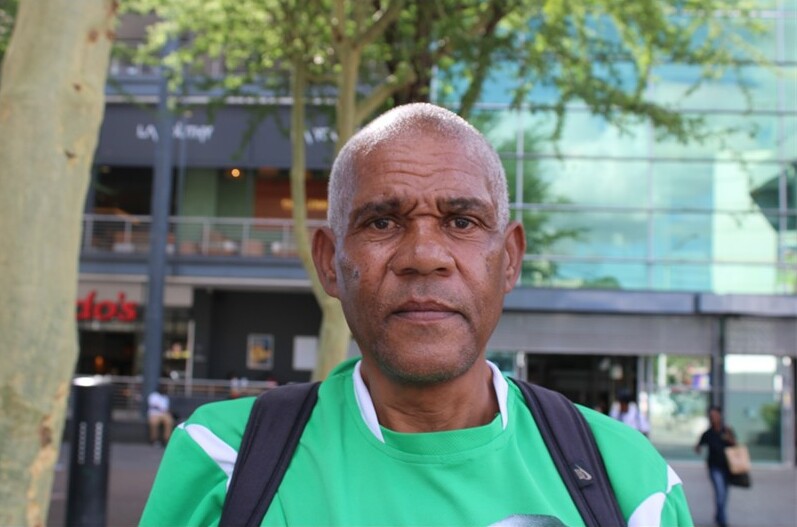
Benedict Heyns said the fuel price hike is affecting him as a pensioner depending on a Sassa grant, and he does not have an alternative stream of income.
“The Sassa grant was increased by about R80, which does not make much of a difference because everything is going to be affected by the fuel prices,” said Heyns.
The Department of Mineral and Petroleum Resources and Fuels and the Industry Association of South Africa have, in a statement, reiterated assurances on fuel supply and urged the public not to panic-buy.
The department said it noted with concern the circulation of statements and messages by certain organisations and individuals encouraging members of the public to rush to filling stations due to a perceived fuel shortage and anticipated fuel price increases.
A statement put out by the department reads: “The Department and Fuels Industry Association wish to firmly reiterate that South Africa’s fuel supply remains stable in the immediate term, and there is no basis for panic-buying.
“While there may be isolated localised logistical challenges affecting the movement or availability of fuel in certain areas, these are operational in nature and do not constitute a national supply shortage. These issues are being actively managed through established industry and regulatory channels.
“It is therefore incorrect and misleading to link such isolated domestic logistical matters to broader geopolitical developments. Such claims risk creating unnecessary alarm and confusion among the public.
“Calls for the public to rush to the pumps are irresponsible. They place undue pressure on supply systems, cause congestion at service stations, and create anxiety among consumers.
“The department calls all organisations, public representatives, commentators and social media users to act responsibly and to refrain from spreading unverified or speculative claims regarding fuel supply and fuel price developments.”
It said members of the public are encouraged to continue purchasing fuel as they normally do, and to rely on official government communication for accurate and verified information.
Consumers who experience fuel-related challenges or wish to lodge complaints are encouraged to report these to fuel.complaints@dmpr.gov.za, enabling the department’s inspectors to respond and intervene where necessary.
Do you have more information about the story?
Please send us an email to bennittb@rekord.co.za or phone us on 083 625 4114.
For free breaking and community news, visit Rekord’s websites: Rekord East
For more news and interesting articles, like Rekord on Facebook, follow us on Twitter or Instagram or TikTok or WhatsApp Channel