New research offers hope to curb foot-and-mouth disease
Prof Armanda Bastos, who recently gave a lecture on her findings, urges an urgent policy shift to protect the livestock industry.
As foot-and-mouth disease (FMD) continues to devastate South Africa’s cattle industry, new research from the University of Pretoria is offering a potential breakthrough that could ease economic losses without increasing the risk of spreading the virus.
The findings, presented by Professor Armanda Bastos from the Faculty of Veterinary Science, suggest that current controlled slaughter regulations could be revised based on scientific evidence, potentially reducing costs and operational burdens for farmers and the broader livestock sector.
Speaking during the 37th UP Expert Lecture, Bastos said the current situation facing the industry is critical and requires swift action from authorities.
“The situation is dire, and the regulations are not keeping pace with the additional risk mitigation processes we are using.
“The FMD controlled slaughter regulations should be changed as soon as possible based on science on the serotypes that occur in South Africa,” she said.
Bastos research comes as outbreaks have spread across all nine provinces, placing immense pressure on farmers, food security, and the national economy.
Central to the findings is the so-called 5th Quarter Research Project, launched in August 2025.
The study analysed 1 800 samples from 90 infected cattle that were sent for controlled slaughter after recovery.
“The results revealed no evidence of infectious FMD virus in critical parts of the animals, including bone marrow, spleen, kidneys and lymph nodes,” said Bastos.
She said that although traces of the virus were initially detected in a few samples, further testing confirmed that these were not infectious.
According to Bastos, this has significant implications for current regulations, which require costly processes such as deboning and the disposal of certain animal parts.
“No infectious FMD was found in any of the samples that we tested,” Bastos said.
She added that these findings indicate such strict measures may no longer be necessary when cattle are slaughtered after full recovery.
The research proposes simplifying the controlled slaughter process into a single phase conducted between 16 days and three months after the so-called ‘Day Zero’.
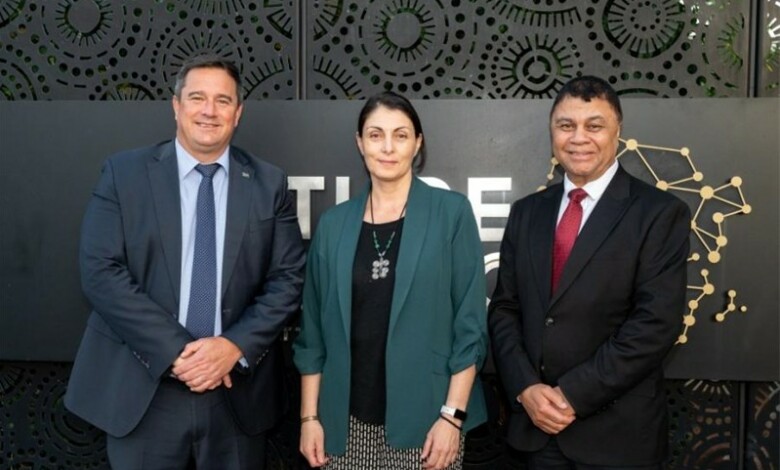
Industry stakeholders and government officials, including Agriculture Minister John Steenhuisen, attended the lecture, highlighting the urgency and national importance of the issue.
While the findings offer hope for immediate regulatory relief, Bastos warned that long-term recovery will require substantial effort.
According to her, South Africa would need to vaccinate about 80% of its 14 million cattle to regain its FMD-free status.
She also emphasised the need to expand laboratory capacity, prevent cross-species transmission, and strengthen co-ordination between the public and private sectors.
“Most important of all are private-public partnerships that enable agile, rapid, and decisive responses,” she said.
With jobs, livelihoods and food systems at stake, researchers are urging authorities to act swiftly on the findings to help stabilise an industry under severe strain.
Do you have more information about the story?
Please send us an email to bennittb@rekord.co.za or phone us on 083 625 4114.
For free breaking and community news, visit Rekord’s websites: Rekord East
For more news and interesting articles, like Rekord on Facebook, follow us on Twitter or Instagram or TikTok or WhatsApp Channel