Pretoria north motorist slams Bakwena over poor claims systems
A motorist questions Bakwena’s poor complaints system after multiple incidents involving loose stones and rejected claims. He questions how reports are tracked and whether motorists receive fair recourse on toll roads.
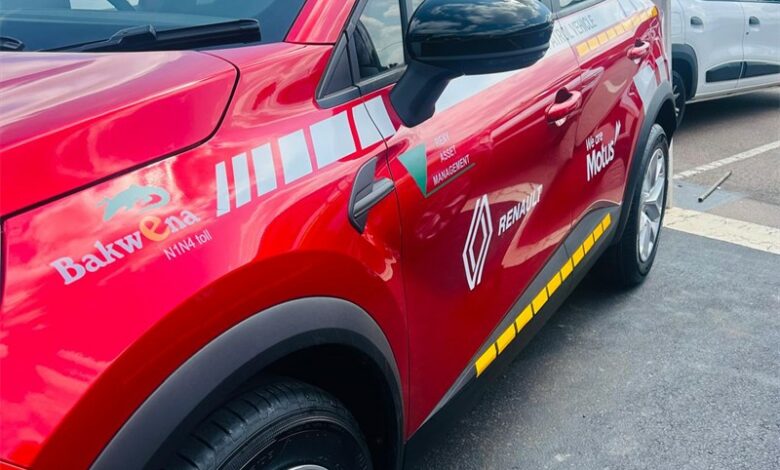
A resident from Pretoria North has described a pattern of repeated incidents and frustrations when dealing with Bakwena Platinum Corridor Concessionaire, particularly around road safety hazards on the national roads.
Chris Nel is unhappy about the lack of accountability in how complaints are handled.
He said his concerns are not based on a single event, but on ‘quite a few incidents over the years’ involving loose stones, roadworks debris and alleged system failures on the N1/N4 toll routes.
Central to his complaint is what he describes as the absence of a clear ticketing or reference system when incidents are reported.
“There are no ticketing, referencing or reporting methods employed,” he said.
According to him, this makes it ‘impossible to track calls or incidents’ and raises questions about how such reports are managed under Bakwena’s contract with South African National Roads Agency Limited (Sanral).
He recounted one incident on October 29, 2025, when his vehicle’s windscreen was damaged after travelling on a section of a road that had reportedly been resurfaced the night before.
After contacting Bakwena’s emergency line, he was referred to submit a claim via email and asked to provide supporting evidence, including photos of his e-tag and windscreen. Despite this, his claim was rejected in November.
Only later, he said, was the matter referred to a subcontractor, Roadmac Surfacing, with whom he continued a lengthy back-and-forth process involving forms, additional documentation and follow-ups. The claim was ultimately declined again in March this year.
Nel said the process was marked by long delays, inconsistent communication and unanswered requests for information, including details on the standards contractors are required to meet.
“The methodology is just no response, no feedback and no follow-up,” he alleged.
A second incident in April followed a similar pattern. Nel said loose stones on a narrowed on-ramp near Zambezi caused another chipped windscreen.
Attempts to report the matter via the emergency number were unsuccessful after being placed on hold repeatedly. While he did receive a brief WhatsApp response from a Bakwena official, he said no formal complaint process or reference number was provided.
He added that “stopping on a highway to gather photographic evidence is neither safe nor practical, leaving motorists at a disadvantage when submitting claims to Bakwena”.
He also raised broader concerns about system reliability, citing previous e-tag malfunctions and unexplained balance discrepancies, again without feedback.
Nel said he is considering escalating the matter to the Small Claims Court or the Consumer Protection Ombudsman, arguing that toll road users are paying for a service and should be afforded proper recourse.
In response, Bakwena Platinum Corridor Concessionaire told Rekord it takes ‘primary accountability for all incidents, complaints and road safety issues’ on the N1/N4 route and maintains that its systems align with international standards and best practices.
According to Bakwena, incidents and complaints are recorded through multiple channels, including a 24-hour customer care line, email, social media and an anonymous tip-off line.
While there may not be a single visible ticketing system for road users, Bakwena said all reports are captured in a central internal logging system and tracked by dedicated teams to ensure follow-up and resolution.
Nel indicated that even though Bakwena claims this to be true, he had had no feedback during 26 years of complaints when reporting incidents.
The spokesperson for Bakwena, Charmaine van Wyk, emphasised that it acts as the central point of oversight, even when matters are referred to subcontractors such as road maintenance firms.
In such cases, she said reports are forwarded in line with guidelines, but Bakwena said it continues to monitor progress from the initial report through to the final resolution.
This includes requiring supporting documentation such as claim forms, photographs, location details, repair quotes and affidavits.
Bakwena further stated that its call centre performance is regularly monitored and audited to ensure responsiveness, accurate logging and compliance with service standards.
According to Van Wyk, the centre aims to respond to incidents within 48 hours.
On road safety concerns, the concessionaire said all maintenance and resurfacing work is conducted under strict supervision by professional engineers, with requirements that no debris or unsafe conditions remain before roads are reopened.
In addition, 24/7 patrols are deployed to identify and clear hazards, including loose stones or debris caused by third parties.
For damage claims, Bakwena explained that these are assessed through contractors’ public liability insurance.
Traffic Safety Officers of Bakwena investigate incidents, compile reports and make recommendations, but final decisions on liability rest with insurers, not Bakwena or its contractors.
She maintained that feedback is provided to complainants once matters are escalated and resolved, and that all cases are tracked and reported on monthly to prevent them from remaining unresolved.
ALSO READ: Pedestrian accident hotspots identified ahead of long weekends
Do you have more information about the story?
Please send us an email to bennittb@rekord.co.za or phone us on 083 625 4114.
For free breaking and community news, visit Rekord’s websites: Rekord East
For more news and interesting articles, like Rekord on Facebook, follow us on Twitter or Instagram or TikTok or WhatsApp Channel