Long weekends heighten concerns over drunk driving
Officials warn that various factors beyond alcohol consumption, continue to threaten road safety.
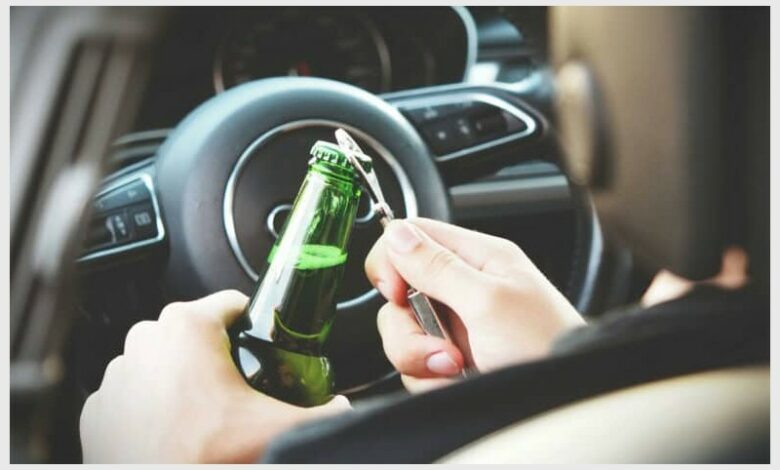
As the Freedom Day and Worker’s Day long weekends approach, worries about drunk driving are rising, particularly because these holidays coincide with payday, which may lead to more alcohol-related incidents on the roads.
The Road Traffic Management Corporation (RTMC) has reported alarming enforcement trends.
However, despite drunk driving being a significant concern, local officials in the Tshwane metro have identified other factors that could further jeopardise road safety during this period.
The TMPD has expressed concerns over pedestrian behaviour on highways, which is increasingly contributing to road fatalities.
TMPD spokesperson Isaac Mahamba highlighted that pedestrian deaths remain a critical issue, especially on high-speed roads.
“The statistics indicate that pedestrian fatalities remain a critical concern, accounting for an increase in road-related deaths and injuries in Tshwane,” said Mahamba.
He emphasised dangers faced by pedestrians on highways, stating that “the vulnerability of pedestrians on high-speed routes cannot be overstated. The combination of high traffic volumes and rapid speed creates a high-risk environment where collisions lead to serious injury or death.”
Recent enforcement data highlights this challenge, revealing that ‘approximately 700 pedestrians were removed from the highway for being a source of danger’ during the recent Easter long weekend, according to Mahamba.
In response, the TMPD plans to enhance patrols and increase officer presence on major routes like the N1, N4, N14, R80 and R21 to ensure safety and enforce compliance.
Mahamba added that officers will “maintain a high-visibility presence to ensure that all users safely arrive at their destinations.”
He also reminded the public that walking on highways is both dangerous and illegal.
“These zones are designed for high-speed motorised transport and any person who is found walking on these routes not only risks their life but also directly violates the regulations of the National Road Traffic Act,” he stated.
RTMC COO Simon Zwane noted that over 2 820 individuals nationally have been arrested in the weeks leading up to the long weekends, indicating a likely increase in drunk driving incidents during the holidays.
“This gives us concern that there will be more accidents of drunken driving during long weekends as they coincide with pay day for many people,” said Zwane.
These long weekends, featuring Freedom Day on April 27 and Workers Day on May 1, typically see greater travel, social events and alcohol consumption, factors that authorities warn lead to risky driving behaviour.
To tackle this, the RTMC plans to intensify its national enforcement strategy, focusing on high-risk areas and peak times.
“Our strategy involves staging drunk driving operations at peak times in high-risk areas. These are co-ordinated nationally to disrupt risky behaviour and improve safety for all road users,” explained Zwane.
He emphasised co-operation among law enforcement agencies.
“We collaboratively plan and conduct joint operations to ensure a united approach,” he said.
Authorities are also considering tougher penalties for offenders. Zwane mentioned that plans are underway to impose heavier sentences for those caught under the influence.
“We plan to introduce heavier sentences for those arrested for drunk driving. We will also oppose bail to ensure that suspects don’t re-offend and are held until they sober up,” he said.
The RTMC plans to measure the effectiveness of these initiatives through enforcement data and road safety outcomes.
“We assess the impact by evaluating the number of reported fatal crashes and number of drunk driving arrests. A reduction in these numbers will indicate success,” stated Zwane.
As enforcement operations are ramped up, road users are encouraged to take personal responsibility, with officials emphasising that safer roads depend on both enforcement and changes in behaviour.
The RTMC also aims to monitor broader compliance indicators, including seatbelt use, vehicle roadworthiness, speeding, and overloading, during this time to determine if public awareness campaigns are fostering safer conduct.
With increased enforcement set to take effect both nationally and locally, officials indicate that the upcoming weeks will serve as a crucial test of law enforcement strategies and public co-operation in reducing preventable traffic fatalities.
ALSO READ: Here’s the latest fuel price forecast for next month
Do you have more information about the story?
Please send us an email to bennittb@rekord.co.za or phone us on 083 625 4114.
For free breaking and community news, visit Rekord’s websites: Rekord East
For more news and interesting articles, like Rekord on Facebook, follow us on Twitter or Instagram or TikTok.