Politicians escalate metro sewage crisis with legal threats
The opposition are intensifying pressure on the metro as the sewage crisis deepens, with legal action, court orders and criminal charges now on the table. The latest Green Drop findings have triggered a multi-party confrontation, turning infrastructure failure into a high-stakes political and legal battle over accountability and environmental damage.
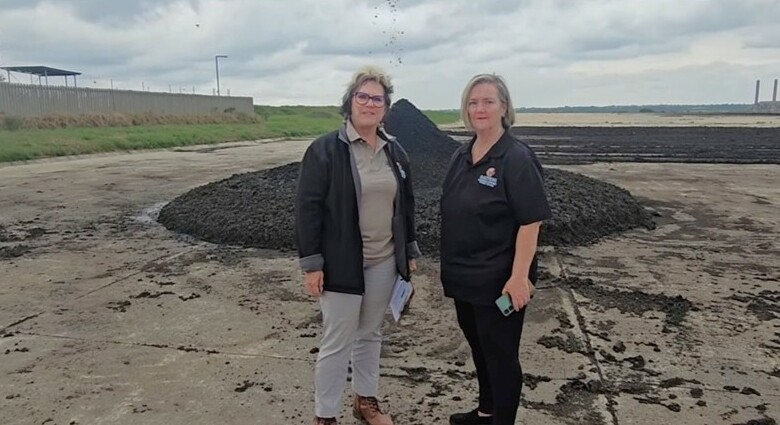
The release of the 2025 Green Drop Report by the Department of Water and Sanitation has escalated pressure on the metro, with opposition leaders increasingly turning the sewage crisis into a legal and political battleground.
The report reveals a dramatic decline in the metro’s compliance score, from 82% in 2013 to just 33.8% in 2025.
This sharp drop underscores deepening failures in maintaining treatment plants, sustaining operational capacity, and funding critical infrastructure.
The findings come amid broader enforcement action in Gauteng, where municipalities linked to pollution in the Klip River catchment are already facing potential prosecution.
This has intensified scrutiny on whether environmental laws are being applied consistently across municipalities.
Within Pretoria, rivers such as the Hennops and the Jukskei continue to show visible signs of deterioration.
The department has given the metro a 60-day deadline, effective from March 31, to submit a corrective action plan in response to the Green Drop findings.
The issue has now shifted from a service delivery concern to a legal and political flashpoint, with multiple parties entering the fray as pressure mounts on the metro.
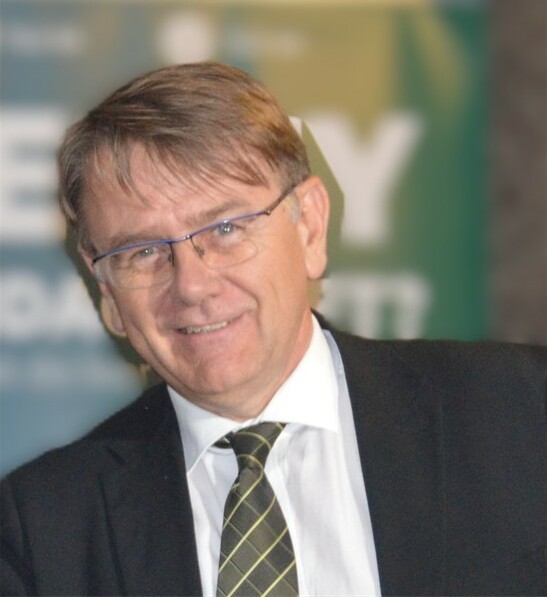
Freedom Front Plus (FF+) mayoral candidate Willie Spies said his party’s intervention in the Rooiwal crisis signals a turning point in holding the metro accountable.
“The ongoing water and sewage crisis affecting the Rooiwal area will be driven to a head now that the FF+ has stepped in. We are providing legal assistance to farmers and communities to compel the City of Tshwane to comply with a 2019 court order it has continued to ignore,” Spies said.
He said the metro’s failure to upgrade the Rooiwal Waste Water Treatment Works and stop the discharge of untreated sewage into the Apies River represents a direct violation of that order.
“The court instructed the metro to urgently upgrade the plant, halt pollution, and report on progress. Yet years later, there has been no meaningful improvement. Infrastructure has deteriorated further, contracts have been cancelled, and raw sewage continues to flow into critical water systems.”
Spies added that the consequences extend far beyond infrastructure failure, affecting agriculture, livelihoods, and public health.
“Farmers are now unable to irrigate crops or provide safe water for livestock. Groundwater is contaminated, properties have become unsellable, and communities are living with persistent health risks and unbearable conditions.”
He warned that political accountability can no longer be delayed.
“We cannot allow maladministration to continue while communities and farmers bear the cost. This legal action is aimed at forcing compliance, restoring infrastructure, and ensuring that residents have access to clean, safe water as required by law.”
Leanne de Jager, DA MPL, said the report confirms a sustained failure that warrants legal consequences.
“The Department of Water and Sanitation has confirmed that criminal proceedings are at an advanced stage against the City of Johannesburg, the City of Ekurhuleni, and Mogale City for their roles in polluting the Klip River catchment,” De Jager said.
According to her, the metro should face the same legal standards.
“These charges are based on the contravention of water use licence conditions, failure to comply with formal directives issued under the National Water Act, failure to meet directive deadlines within stipulated timeframes, and continued pollution of strategic water resources. These same charges should apply to our metro.”
She added that environmental damage in Pretoria mirrors that of other affected regions.
“The Hennops River is in the same condition as the Klip River. There is visible foaming, and the ecosystem is being destroyed due to years of sewage discharge from failing treatment works. The Jukskei River is in the same condition as the Hennops River.”
De Jager argued that selective enforcement would undermine environmental law.
“If Johannesburg, Ekurhuleni, and Mogale City face criminal prosecution for what they have done to the Klip River system, there is no principled basis for exempting the metro from the same accountability for what it has done to the Hennops River and the broader catchment.”
She confirmed that the DA will engage directly with the department and raise the matter in the provincial legislature.
In response, mayoral spokesperson Samkelo Mgobozi told Rekord the metro acknowledges the seriousness of the findings and their impact on residents.
“These results speak directly to the quality of water leaving the city’s wastewater systems and to the health, safety and dignity of communities, as well as the ability of businesses to operate productively and with confidence,” Mgobozi said.
He noted that the current crisis reflects long-term structural challenges.
“The current state of the system reflects the cumulative impact of historic underinvestment and operational weaknesses that this administration inherited in October 2024.”
Mgobozi identified several operational pressures affecting performance.
“Key drivers include ageing infrastructure, limited treatment capacity relative to demand, vandalism and cable theft, delays in maintaining mechanical and electrical equipment, and challenges with disinfection processes.”
Staffing shortages remain a major constraint.
“The vacancy rate of staff across wastewater treatment works is just over 50%. This reflects historic constraints and an ageing workforce, which have reduced technical capacity and affected operations.”
On funding, he acknowledged ongoing limitations.
“Not all identified projects are currently funded, and implementation will depend on securing the necessary resources.”
Despite these challenges, Mgobozi said the metro is working to meet national requirements.
“The city is finalising the Green Drop Corrective Action Plan and is committed to submitting it within the required 60-day timeframe.”
He maintained that the focus is on restoring performance and protecting communities.
“The priority remains clear, to protect residents, uphold dignity in households, support the productivity of businesses, and restore confidence in the system through consistent, measurable progress.”
– Click here to listen to farmers in the Rooiwal area: https://www.facebook.com/reel/1473832231137691
Do you have more information about the story?
Please send us an email to bennittb@rekord.co.za or phone us on 083 625 4114.
For free breaking and community news, visit Rekord’s websites: Rekord East
For more news and interesting articles, like Rekord on Facebook, follow us on Twitter or Instagram or TikTok or WhatsApp Channel