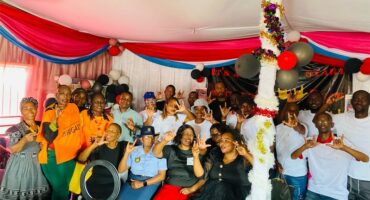
Petition drives Pretoria east park restoration
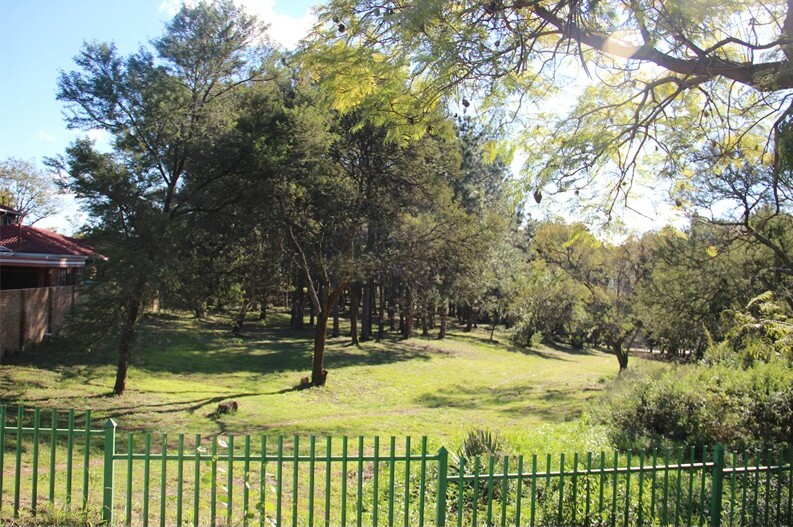
A Pretoria east community initiative restoring neglected public green spaces has gained momentum after NPC The Fortis Collective applied to adopt Denneboom Park, also known as Lynnwood Pine Forest, in Lynnwood Ridge. The forest has already been transformed through privately funded clean-ups, environmental restoration and by hosting more than 70 free public community events.
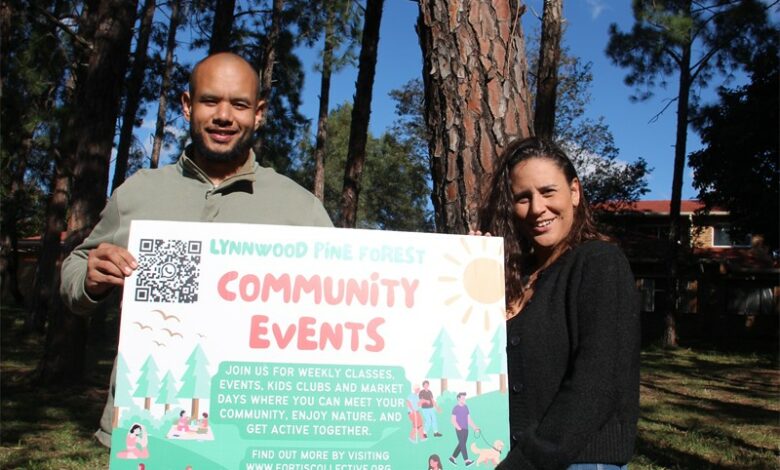
Community-led efforts to restore neglected public spaces in Pretoria east have sparked renewed discussion around the role residents can play in maintaining municipal parks and greenbelts.
Some community members argue that neglected spaces often become hotspots for illegal dumping, crime and invasive vegetation if not actively maintained.
They say rapid transformation of the Lynnwood Pine Forest demonstrates what can be achieved when communities become directly involved in restoring and caring for local spaces.
A non-profit company, The Fortis Collective, formally applied to adopt Lynnwood Pine Forest, formerly known as Denneboom Park, in Lynnwood Ridge through the metro’s partnership programmes.
The application follows growing public interest in the organisation’s work at the Lynnwood Pine Forest, where residents say a previously neglected and underutilised public space has been transformed through clean-up operations, environmental restoration and free community activities.
This support is reflected in more than 180 signatures on a petition backing The Fortis Collective’s efforts to reopen and revitalise the park for the community.
The Fortis Collective said it has already invested significant private funding into restoring the forest area while developing a broader model aimed at reclaiming neglected green spaces across South Africa.
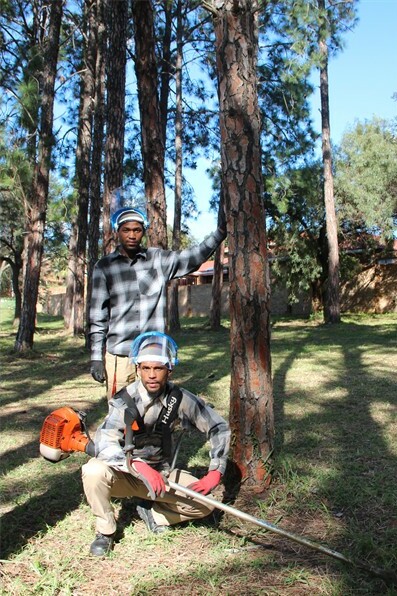
Co-founder Annie Clarke said the project began after community members became increasingly concerned about the condition and safety of the public space.
“Just a few months ago, Lynnwood Pine Forest was largely avoided. It was overgrown, poorly maintained and not considered a safe or functional space for the public. Today, that same forest is being actively used, cared for and brought back to life,” Clarke said.
According to Clarke, she and her husband, Nicholas, personally funded the project over the past few months, spending more than R85 000 on clearing overgrown vegetation, maintaining the grounds, ensuring safety and hosting free public events aimed at reconnecting the community.
“We helped to take responsibility for restoring, maintaining and activating the space entirely at our own cost, without funding or support,” she said.
The initiative has hosted more than 70 free community events in just over eight weeks and attracted more than 1 000 visitors to the forest, according to organisers.
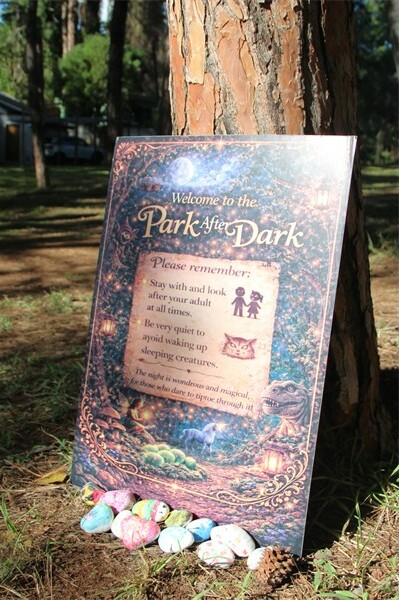
Activities have included children’s nature exploration groups, fitness classes, a wellness programme, walking clubs, conservation education sessions, dog adoption awareness days, outdoor reading mornings and women’s fellowship gatherings.
Clarke said a major focus of the project was also supporting local entrepreneurs and small businesses by creating opportunities for local businesses, instructors, professionals and community organisations to participate in events hosted in the forest.
“Our long-term vision is to replicate this model across South Africa by revitalising neglected public green spaces, strengthening communities, supporting small businesses and creating safer, more connected neighbourhoods,” she said.
The restoration efforts have since gained momentum among residents, with supporters reportedly calling for similar interventions in other neglected public spaces across Pretoria east. By formally adopting parks in need, the non-profit company hopes to work in partnership with the municipality to help revitalise and activate more unused public spaces.
The move comes amid increasing pressure on municipalities across South Africa to maintain parks and public open spaces while dealing with financial constraints, infrastructure backlogs and broader service delivery demands.
Questions have also been raised around whether municipalities should simplify permit requirements and encourage more community-led environmental partnerships.
Metro spokesperson Lindela Mashigo said the metro supports community participation in maintaining public spaces.
Mashigo confirmed that the metro had encouraged The Fortis Collective to formally apply through existing municipal programmes, including the Adopt-A-Spot Programme and the Community Upliftment of Precincts Programme.
“This will enable the city to mobilise resources in a structured way to support their efforts,” he said.
Mashigo said the metro viewed the role of community-led organisations ‘in a positive light’, provided the correct procedures and approvals were followed when working on municipal property.
According to Mashigo, the metro’s long-term urban greening plans include planting 100 000 trees annually as part of broader environmental management and public space maintenance strategies.
He also pointed to municipal by-laws governing parks and public open spaces, saying these were important in ensuring environmental protection, public safety and the long-term sustainability of activities hosted in green spaces.
Mashigo further noted that while incentives may be available under formal partnership agreements, public spaces must remain accessible to all residents.
ALSO READ: Next generation of chess players battle it out
Do you have more information about the story?
Please send us an email to bennittb@rekord.co.za or phone us on 083 625 4114.
For free breaking and community news, visit Rekord’s websites: Rekord East
For more news and interesting articles, like Rekord on Facebook, follow us on Twitter or Instagram or TikTok or WhatsApp Channel