Centurion residents unite to turn recycling into lasting change
Since 2018, the project has evolved into a structured monthly recycling drive that continues to promote cleaner public spaces and environmental awareness among residents.
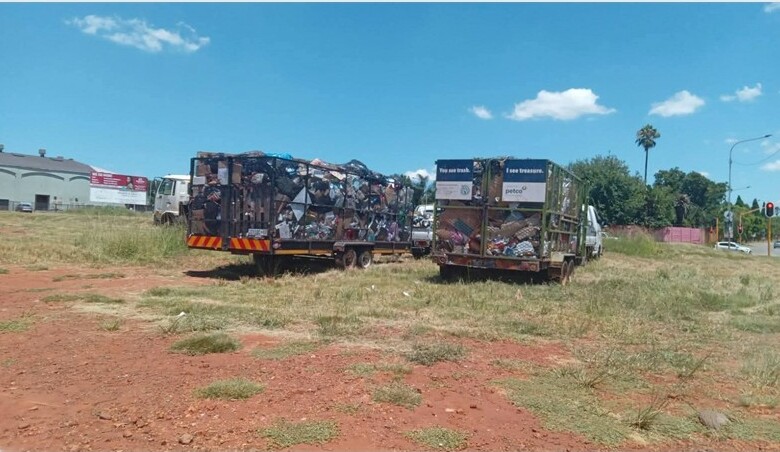
A small community recycling initiative that started in Ward 69, Centurion, has grown into a well-supported environmental effort that helps reduce waste going to landfill while strengthening environmental awareness and community participation across the area.
What began in 2018 as a local effort to address illegal dumping and promote responsible waste disposal has since developed into a structured monthly recycling drive that now attracts residents from several parts of Centurion.
Ward councillor Cindy Billson said the idea emerged from a simple but urgent need to create cleaner public spaces and give residents a practical way to recycle.
She explained that the project started where residents were encouraged to separate waste at home and bring recyclables to designated collection points.
“The aim was to reduce illegal dumping, improve environmental responsibility and create a sense of shared ownership over public spaces,” she stated.
The initiative gradually expanded through partnerships with residents, volunteers and organisations who shared the same environmental goals.
Recycling partners were brought on board from the early stages and remain involved in the project today. As participation increased, councillors from other wards began adopting the same model in their own communities.
Billson said the project initially rotated between different wards each month before it was centralised at the corner of Lenchen Avenue and John Vorster Drive in Ward 78 to create consistency.
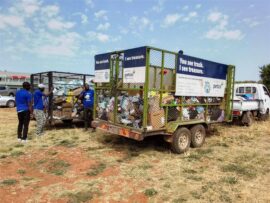
Every first Saturday of every month, residents can bring their waste to a fixed and reliable collection point.
“The success of the initiative is largely dependent on community involvement. Residents sort recyclables at home, volunteers assist on collection days and partner organisations help with processing and redistribution. Without that collective effort, the project would not have grown to its current scale,” she added.
According to Billson, the environmental impact of the project has been significant, particularly in reducing waste that would end up in landfill sites or be illegally dumped in rivers, open spaces and public areas.
Beyond waste reduction, she noted that one of the most important outcomes has been increased environmental awareness within communities.
She said residents are beginning to understand that recycling is not only about waste management but also about protecting the environment and creating healthier communities.
The initiative has also fostered a stronger sense of community responsibility and collective action.
“At the monthly collection events, residents are able to drop off a wide range of recyclable materials, including paper and cardboard, plastics, glass, tins and cans, electronic waste, bottle tops, bread tags and old clothing. However, we do not accept garden waste and building rubble.”
She highlighted a clothing recycling partnership that ensures old garments are redistributed, repurposed or recycled into usable products rather than being dumped in the environment.
One of the most impactful spin-offs of the initiative has been the Bottle Top Project, which started around 2020 or 2021 after Billson assisted in cleaning a riverbank where large amounts of bottle tops had accumulated.
She said the experience highlighted how difficult it is to remove plastic pollution once it enters river systems, which led to the idea of collecting bottle tops before they reach the environment.
The collected bottle tops are now used to support the funding of wheelchairs for people in need, combining environmental action with direct social impact.
Billson stated that the response from residents has been overwhelming, with contributions coming from households, businesses, schools and community groups.
“Even small individual donations have added up to make a meaningful difference. What has been most surprising is how deeply people have connected with the initiative once they understand its purpose. Particularly the link between something as small as a bottle top and the ability to provide a wheelchair for someone in need,” she explained.
Billson believes the continued success of recycling initiatives in Centurion is driven by residents’ desire for practical ways to contribute to their communities.
Looking back on the project’s growth, she said one of the most rewarding aspects has been seeing how it has expanded beyond Ward 69 and inspired similar efforts elsewhere.
She also pointed to the consistency of residents who continue to participate month after month, as well as the way families have integrated recycling into their daily habits and taught children to be more environmentally conscious.
“The project demonstrates how small, consistent actions can create lasting change in communities. Every contribution, no matter how small, plays a role in building cleaner and more sustainable environments for future generations,” she added.
Do you have more information about the story?
Please send us an email to bennittb@rekord.co.za or phone us on 083 625 4114.
For free breaking and community news, visit Rekord’s websites: Rekord East
For more news and interesting articles, like Rekord on Facebook, follow us on Twitter or Instagram or TikTok.