El Niño forecast raises concerns over food prices and water security
As El Niño develops, experts warn that South Africans could also face a greater risk of heatwaves and veld fires. Municipalities, businesses, farmers and households are being encouraged to prepare early for possible changes in weather conditions and to consider measures that could reduce future risks.
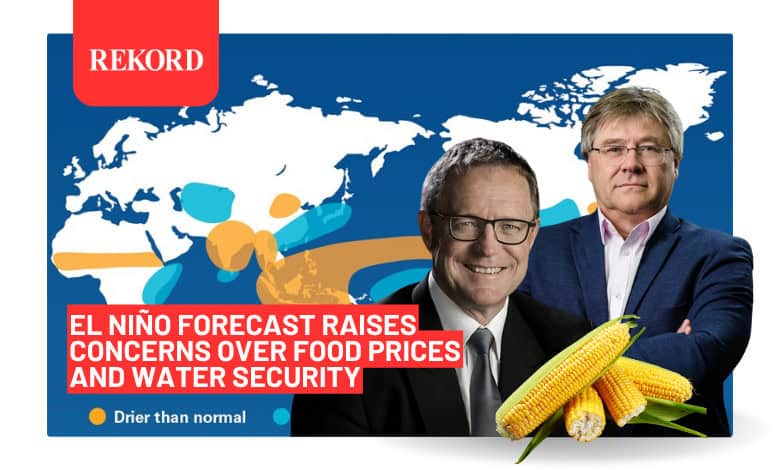
Scientists are increasingly confident that El Niño weather conditions will develop by the end of the year, raising concerns about the potential impact on South Africa’s water security, agricultural production, and food prices.
Experts say preparation now could help reduce the effects of possible drought, heatwaves, and veld fires should the weather phenomenon strengthen in the coming months.
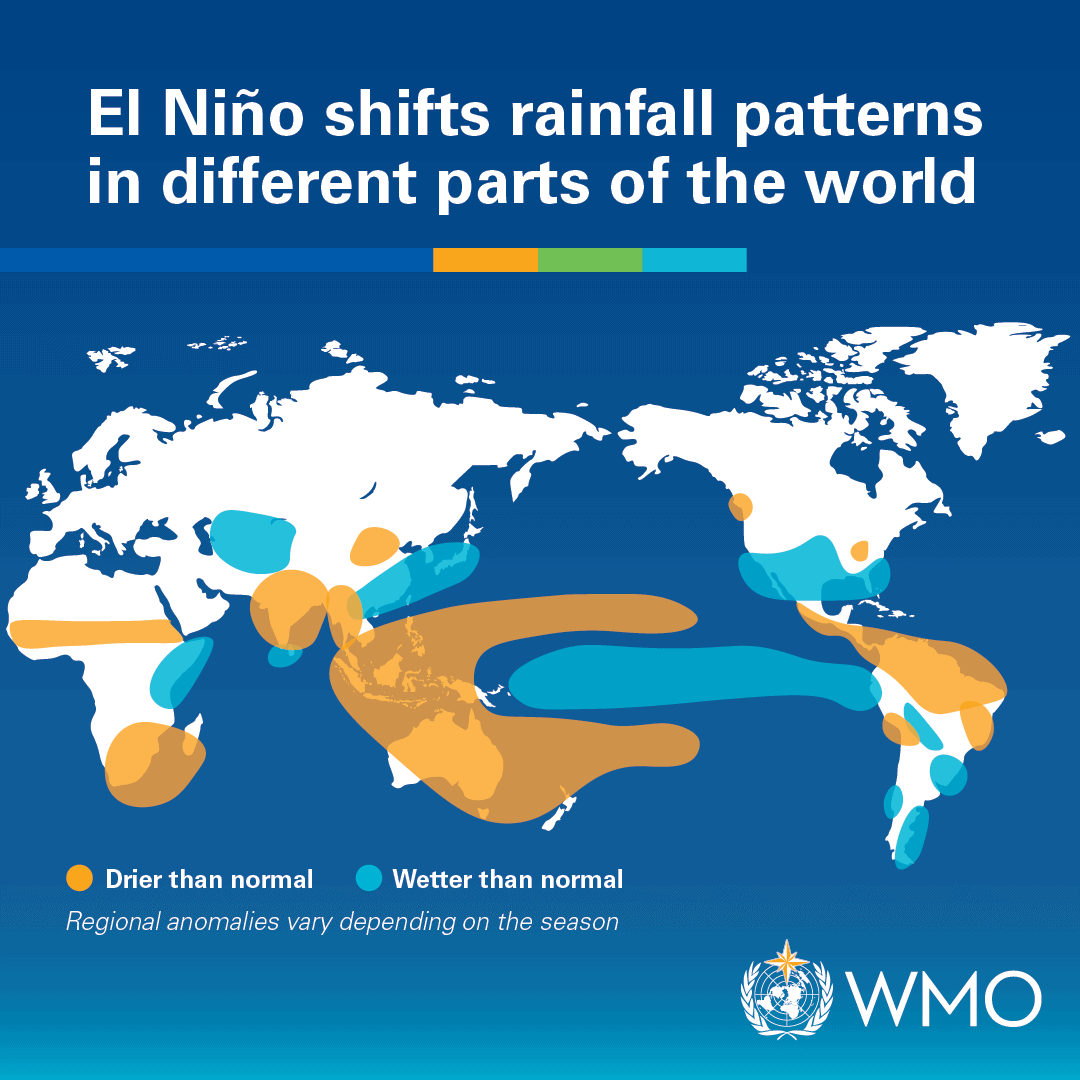
El Niño and La Niña are opposite climate phases that influence weather patterns across South Africa. During El Niño, warmer-than-normal sea surface temperatures in the central and eastern Pacific Ocean disrupt wind patterns, and often suppress summer rainfall over much of the country. La Niña has the opposite effect, with cooler Pacific waters generally associated with increased rainfall across southern Africa.
According to Professor Guy Midgley, director of the School for Climate Studies at Stellenbosch University, many scientists are confident that the Pacific sea warming phenomenon will emerge by the end of the year is extremely high, with some estimates placing the probability above 90%.

Scientists are closely monitoring sea surface temperatures in the tropical Pacific Ocean, which serve as one of the key indicators of whether such warming conditions are strengthening.
Although forecasts increasingly point towards such a development, Midgley cautioned that predicting exactly how the phenomenon will affect South Africa remains difficult.
“Overall, these conditions bring warmer and drier conditions to southern and eastern Africa, but the predictive power is not much better than about 60% confidence with more than a few months lead time,” he said.
Historically, this weather pattern has often been linked to drought, reduced rainfall, and above-average temperatures across southern and eastern Africa. However, Midgley said past events demonstrate that outcomes can vary significantly.
He pointed to the severe drought associated with the 2014/15 weather pattern, while noting that another strong event in 1998 did not produce similar drought conditions.
“No two El Niños are the same,” he said.
South Africa’s summer rainfall provinces, including Gauteng, Limpopo, Mpumalanga and the Free State, are likely to receive particular attention should such a weather pattern strengthen. These provinces rely heavily on seasonal rainfall for agricultural production, water supplies, and economic activity.
One of the primary concerns is water security. Reduced rainfall could place pressure on dams, rivers and municipal water systems, particularly in areas already vulnerable to drought conditions.
Midgley said recent years of relatively good rainfall have improved the situation, although prolonged dry conditions could still create challenges.
“Drought conditions reduce water security, but this depends on how long the weather pattern stays in place in the Pacific, and after good rains in the past few years it will take quite a severe drought to have a major effect over the next two years,” he said.
Agriculture is another sector facing uncertainty as farmers assess the possible consequences of reduced rainfall and higher temperatures. Grain producers may be forced to adjust planting decisions if conditions deteriorate.

Photo: Supplied
Economist Dawie Roodt said poor agricultural production would not necessarily result in food shortages because South Africa remains connected to international agricultural markets.
“Even if farmers produce poor maize crops, it does not mean there will be a real shortage. Maize and other products are still traded internationally,” said Roodt.
He said the greater concern would be rising food prices, particularly for lower-income households that already face financial pressure.
“The problem is that prices will rise. A whole range of factors will come into play, including higher international prices and a weakening exchange rate. Food prices are going to increase and lower-income groups will be affected very badly,” he said. A sharp increase in food prices can lead to social tension,” he said.
Farmers are also preparing for a range of possible scenarios as uncertainty remains about the strength and duration of the developing El Niño.
TLU SA manager Bennie van Zyl said El Niño traditionally creates challenges, but conditions can vary significantly between regions and even between neighbouring farms.
“It brings challenges. Nobody can say exactly how it will play out. It may be a strong weather event. In the past we have seen very strong such events, but farmers still received sufficient rain at the right times and achieved reasonable harvests in certain areas,” he said.
Van Zyl said farming businesses must plan carefully and manage their finances prudently as uncertainty remains high.
He urged farmers to adopt a conservative approach to spending while continuing to focus on income generation and long-term sustainability.
Midgley said South Africa’s experience with previous droughts has highlighted the importance of maintaining water infrastructure and planning ahead before conditions deteriorate.
“The lessons of the El Niño learned by Cape Town were not really even taken up by the Eastern Cape as they went into long-term drought after Cape Town did,” he said.
He added that poorly maintained infrastructure remains one of the country’s greatest vulnerabilities during drought periods.
“One of the main lessons we have learned is that where water infrastructure is not maintained in metros and municipalities, the residents are highly vulnerable to drought conditions and it can lead to significant hardship,” he said.
Do you have more information about the story?
Please send us an email to bennittb@rekord.co.za or phone us on 083 625 4114.
For free breaking and community news, visit Rekord’s websites: Rekord East
For more news and interesting articles, like Rekord on Facebook, follow us on Twitter or Instagram or TikTok or WhatsApp Channel