Suspected criminals blamed for prolonged power outage in the east
Children, the elderly and people working from home were among those hardest hit after a vandalised substation left thousands of Pretoria East residents without electricity during one of the coldest weeks
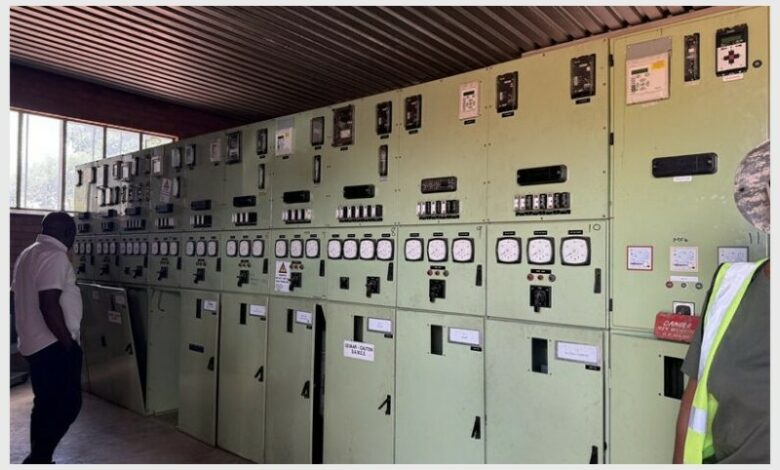
Infrastructure cable theft and substation vandalism continue to cost the already cash-strapped Tshwane Metro millions of rands in repairs, while residents ultimately pay.
For thousands across the east of Pretoria, one of the coldest weeks of the year came with no electricity, no heating and no answers after 11kVA Strulands Secondary Substation was broken into and stripped of critical equipment.
This attack caused a power outage in more than three suburbs, according to the city.
The outage began in the early hours of August 11, when suspects gained entry to the substation, forced open its door, and stripped out electrical equipment.
Die Wilgers, Murrayfield, parts of Equestria, Lynnwood Ridge, and Willow Glen AH were plunged into darkness for almost a week.
Power was restored to most areas by August 13, but some households in Die Wilgers Landgoed were left without electricity for even longer.
Residents revealed that the power outage was more than a slight disturbance; it disrupted livelihoods, childcare, daily routines, and communication as cellphone towers began losing power.
Based in Equestria, Jeremy Anderson emphasised the significant impact the outage had on him.
“This wasn’t just an inconvenience; it was probably the lowest point of my year. Being stuck in the cold and dark for days, without electricity and unable to work, was incredibly frustrating.”
Anderson, who is self-employed and works from home, said the outage hit his pocket as hard.
“I work from home, so when the power goes out for that long, I don’t earn an income. It’s not just about sitting in the dark; it’s about the financial impact, the stress and not knowing when things will return to normal, yet we pay crazy amounts of rates and taxes with expensive electricity.”
He said not knowing when the lights would come back on was the hardest.
“The worst part was the uncertainty. We were not sure whether the electricity would be restored that day or we had to spend another freezing night without power. It takes a toll on you.
“You expect critical infrastructure like substations to be properly protected. When something like this happens, residents are the ones who end up paying the price.”
Die Wilgers resident Nicole Smit-Rouwe, who works from home to care for her disabled adult child, said days without power affected her income and her family’s routine.
“With no office to retreat to and cellphone towers running out of battery, staying connected became a daily struggle. My fear now isn’t whether it happens again; it’s when, and for how long,” she explained.
Smit-Rouwe said the substation attack signalled a broader collapse in municipal infrastructure.
She questioned the city’s ability to protect critical infrastructure, pointing to a hole in the road at the corner of Rossouw and Rubida Streets, and multiple water leaks around the suburb, as signs that ageing pipes and power lines are failing faster than the metro can respond.
Ward 85 councillor Jacqui Uys said the current administration is failing to provide adequate service to ratepayers.
Uys pointed to a previous DA push for smart security infrastructure, cameras, drones, and control rooms to protect municipal assets.
“This is why the DA should take charge, as it will protect infrastructure through the incorporation of technology to monitor and protect substations to prevent attacks.”
The outage has also become a flashpoint in Tshwane’s political battles over service delivery.
DA caucus leader Cilliers Brink placed the blame squarely on inadequate security, saying that thousands of residents continue to suffer from outages caused by cable theft and substation vandalism.
He said the residents suffered a prolonged outage due to the substation having no access control or on-site security.
He said the DA pledges to install CCTV, drones, and thermal detection at substations if the DA returns to power.
The Strulands incident is far from isolated.
According to mayoral spokesperson Samkelo Mgobozi, the metro’s Energy and Electricity Business Unit recorded roughly 1 500 unplanned outages caused by criminal damage to infrastructure during the 2025/26 financial year alone. Of those, 976 were linked to theft, 325 to vandalism, and 170 to other damage.
Mgobozi insists infrastructure protection remains a priority, pointing to the Integrated Asset Protection Strategy and the TMPD’s Cable Theft Unit, which works alongside SAPS, Community Policing Forums, and private security companies.
Garsfontein CPF and Alpha Security Forum chairperson Aris Ruyter said the scale of substation vandalism in the east and across the metro means these incidents can no longer be treated as routine cable theft.
He said a single attack can leave thousands of residents, businesses and essential services without power for days, straining municipal resources already stretched thin.
He argued that such incidents should be investigated as attacks on critical community infrastructure, not isolated theft cases.
Ruyter also warned that extended blackouts create knock-on security risks; alarm systems, electric fencing, street lighting and cameras all lose power alongside the grid, potentially giving criminals a wider opening.
Ruyter is calling for layered protection at substations: perimeter security, proper lighting, cameras and intrusion detection.
“They should be actively monitored rather than installed and forgotten, alongside a crackdown on the scrap dealers and networks that profit from stolen infrastructure.”
Tshwane Metro spokesperson Lindela Mashigo confirmed the break-in, and said the incident forms part of an ongoing assessment of risks to critical infrastructure.
He said the metro currently relies mainly on internal security services to guard electricity infrastructure, with security shortcomings referred to the metro’s security cluster, led by the TMPD for risk assessment and response planning.
Mashigo said additional security measures are under consideration, but declined to detail them for security and insurance reasons.
“The outage was classified as a major incident affecting more than three suburbs and has since been escalated to the TMPD for by-law enforcement action,” said Mashigo.
Do you have more information about the story?
Please send us an email to bennittb@rekord.co.za or phone us on 083 625 4114.
For free breaking and community news, visit Rekord’s websites: Rekord East
For more news and interesting articles, like Rekord on Facebook, follow us on Twitter or Instagram or TikTok or WhatsApp Channel