Mental health experts caution against relying on AI chatbots alone
AI can encourage people to seek help, but diagnosis, treatment and recovery still require qualified professionals and human connection, according to the experts.
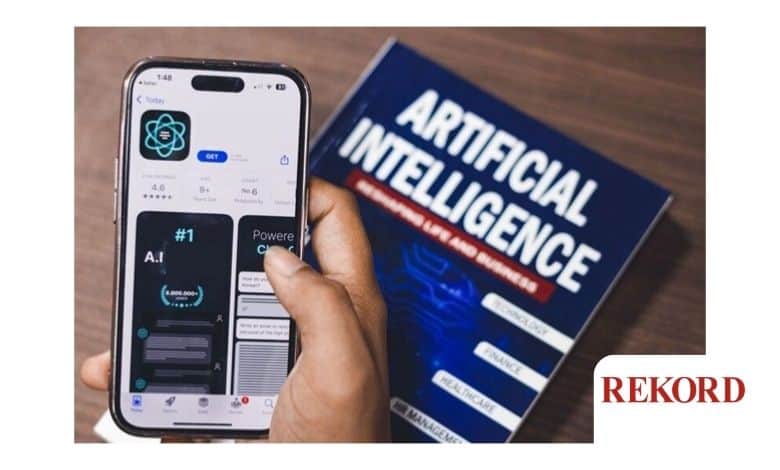
For many Pretoria residents, opening an artificial intelligence (AI) chatbot has become as easy as sending a text message.
However, as more people turn to AI for comfort during moments of stress and emotional distress, mental health experts warn that while the technology can be a useful starting point, it should never replace human support.
The growing use of AI chatbots for emotional support is raising questions about whether people, particularly young people and students, are relying on technology instead of qualified mental health professionals.
Operational Director at the South African Depression and Anxiety Group (SADAG), Cassey Chambers, said the organisation was already seeing callers who had been encouraged by AI platforms to seek professional help.
“We’re definitely seeing this become more and more common,” said Chambers.
She explained that many people first turned to AI because it was available at any time, private, and free to use.
“If AI can help someone recognise that they’re struggling and encourage them to reach out to someone – a helpline, a counsellor or a psychologist – that’s incredibly valuable,” explained Chambers.
However, she warned that AI should not become a substitute for professional care.
“Use AI as a tool, but don’t let it become the only source of support for you,” encouraged Chambers.
Pretoria student Nomthandazo Nyandeni said she had used an AI chatbot when she was overwhelmed by academic pressure.
“Yes, I have used an AI chatbot before for mental health support,” shared Nyandeni.
“I used it when I was feeling stressed about school and just needed someone to talk to at night. I chose it because it’s quick, private, and I don’t feel judged,” she added.
Although she found the experience helpful, Nyandeni said she understood its limitations.
“I would choose a mental health professional if what I’m going through is serious. A professional can actually diagnose me and give proper treatment, and I think that human connection matters,” said Nyandeni.
Another university student, Nhleloyenkosi Thusi, said she had never used AI for emotional or mental health support because she did not believe it could understand the complexity of personal trauma.
Thusi said she would rather seek help from a mental health professional than rely on AI.
“I would choose a mental health professional instead of AI because AI would never give me an honest review,” added Thusi.
The Gauteng Department of Health said mental healthcare services in Pretoria are provided by a multidisciplinary team comprising doctors, psychiatrists, psychologists, social workers, and occupational therapists across clinics, hospitals, and community-based organisations.
Department spokesperson Steve Mabona said stigma, poor understanding of mental illness, travel costs and fear of psychiatric hospitals remained some of the barriers preventing people from seeking help.
“It is okay not to be okay, and mental illness is not a sign of weakness,” said Mabona, encouraging residents experiencing emotional distress to seek professional help and continue with treatment and follow-up care where necessary.
ALSO READ: Police task team arrests five linked to murders of politicians
Do you have more information about the story?
Please send us an email to bennittb@rekord.co.za or phone us on 083 625 4114.
For free breaking and community news, visit Rekord’s websites: Rekord East
For more news and interesting articles, like Rekord on Facebook, follow us on Twitter or Instagram or TikTok or WhatsApp Channel