One death reported as rotavirus cases rise sharply in Pretoria
Parents have been urged to watch children closely for signs of dehydration after a sharp increase in rotavirus cases was recorded in Pretoria
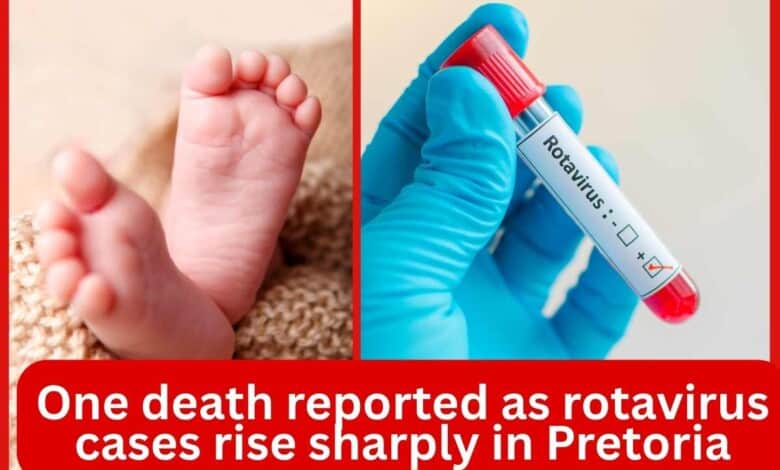
Pretoria parents and caregivers have been warned to remain vigilant following a sharp increase in rotavirus infections, with one fatality reported.
The National Institute for Communicable Diseases (NICD) confirmed that South Africa’s 2026 rotavirus season was underway and urged parents to ensure their children were vaccinated.
Caregivers should also continue breastfeeding infants where possible.
Rotavirus is a common childhood infection that causes diarrhoea and generally peaks during South Africa’s cooler, drier months. Most children experience at least one infection by the age of two.
The virus spreads through the faecal-oral route, including when contaminated hands, surfaces, food or water carry traces of infected faeces to the mouth.
Prof Nicola Page, head of the NICD’s Centre for Enteric Diseases, said symptoms included the sudden onset of vomiting followed by non-bloody, watery diarrhoea.
This could result in severe and potentially life-threatening dehydration.
Page said fever occurred in approximately 30% to 50% of patients. Other symptoms included a loss of appetite, lethargy and mild abdominal discomfort.
Diarrhoeal illnesses are monitored through the GERMS-SA surveillance platform at five sites across South Africa, including Kalafong Provincial Tertiary Hospital in Pretoria.
The NICD said the country’s annual rotavirus season generally occurred from July to August but could extend into September. South Africa introduced the rotavirus vaccine into its Expanded Programme on Immunisation in August 2009.
Page urged parents to watch for early signs of dehydration, including a dry mouth, crying without tears, sunken eyes or a sunken soft spot, and fewer wet nappies or no wet nappy for six to eight hours.
Unusual fussiness, listlessness, lethargy and refusing to eat or drink could also indicate dehydration.
Children with severe dehydration may become excessively sleepy or limp, produce dark urine, develop cold or discoloured skin, or experience rapid breathing or a fast heartbeat. Their skin may also remain raised and return to normal slowly after being gently pinched.
The NICD warned that severe dehydration was a medical emergency and that affected children should be taken to the nearest clinic or medical facility immediately.
Children experiencing diarrhoea should be given an oral rehydration solution made by mixing six level teaspoons of sugar and half a level teaspoon of salt into one litre of clean water.
If possible, the solution can be given while travelling to a medical facility.
The NICD said recognising dehydration early and providing prompt treatment could prevent complications, prolonged hospitalisation and death.
Also read: Two former Hoërskool Centurion pupils killed in accident
Do you have more information about the story?
Please send us an email to bennittb@rekord.co.za or phone us on 083 625 4114.
For free breaking and community news, visit Rekord’s websites: Rekord East
For more news and interesting articles, like Rekord on Facebook, follow us on Twitter or Instagram or TikTok or WhatsApp Channel.