
Tshwane urban rescue trainees take on swift-water training
Technical modules in fast-moving water and trench rescue aim to strengthen response capabilities during seasonal flooding and complex disasters.
Emergency personnel from Tshwane have completed their trench rescue training in Ekurhuleni as they work towards full Urban Search and Rescue (USAR) qualification.
The comprehensive programme combines classroom-based learning, practical exercises and scenario-based training to prepare students for the demanding conditions they may encounter during rescue operations.
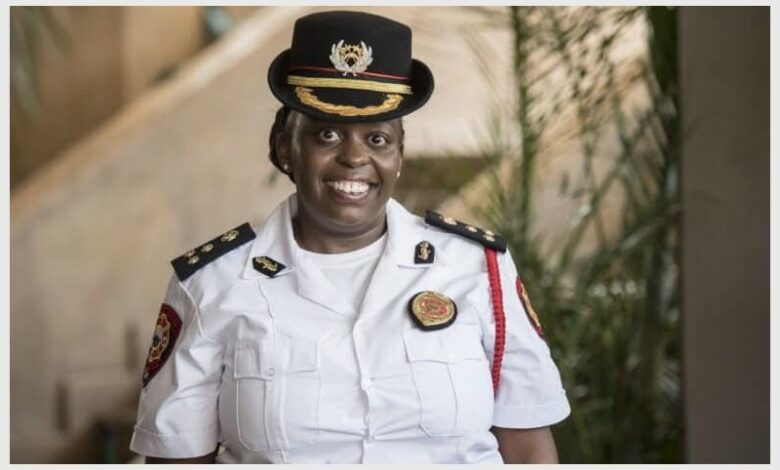
According to Public Information and Liaison Services deputy chief Nana Radebe-Kgiba, trainees have been progressing through several specialised modules as part of their journey towards becoming fully qualified USAR technicians.
The practical training focused on the principles and procedures involved in trench rescue operations at the City of Ekurhuleni Emergency Services, including identifying hazards, establishing safe rescue operations and working as a co-ordinated team in difficult environments.
Tshwane rescue skills enhanced
The trainees have now progressed to the swift-water rescue module in Hillcrest.
The module provides practical training in techniques and procedures used when responding to emergencies involving fast-moving water.
The training is particularly relevant to Tshwane, where seasonal rainfall can lead to flooding and water-related emergencies affecting communities, roads, informal settlements and other areas.
Radebe-Kgiba said developing specialised personnel with water-rescue skills enhances the city’s ability to respond to these incidents and support affected communities.
Building operational readiness
USAR technicians play an important role in supporting the city’s broader emergency response capability.
Their specialist training allows them to operate in environments where additional risks may be present and where technical rescue expertise is required.
Their skills can complement the work of frontline emergency personnel during incidents such as structural collapses, trench emergencies, confined-space incidents, flooding and water-related rescue operations.
The training programme is structured to ensure that students progressively develop their competencies across different areas of specialist rescue.
Completion of each module forms part of the broader qualification process, with every area of training contributing to the students’ overall operational readiness.
The city said the ongoing training demonstrates its commitment to investing in the development of its emergency services personnel.
It said having personnel with specialised technical rescue skills would help strengthen its ability to respond efficiently and professionally to emergencies.
The USAR programme is ultimately aimed at ensuring that emergency personnel are better prepared to protect lives and assist communities when they face complex or potentially dangerous situations.
Do you have more information about the story?
Please send us an email to bennittb@rekord.co.za or phone us on 083 625 4114.
For free breaking and community news, visit Rekord’s websites: Rekord East
For more news and interesting articles, like Rekord on Facebook, follow us on Twitter or Instagram or TikTok or WhatsApp Channel


