
Atteridgeville residents urged to use buy-back centres to tackle illegal dumping
Persistent open fires and toxic e-waste continue to threaten public health and local rivers in Pretoria west.
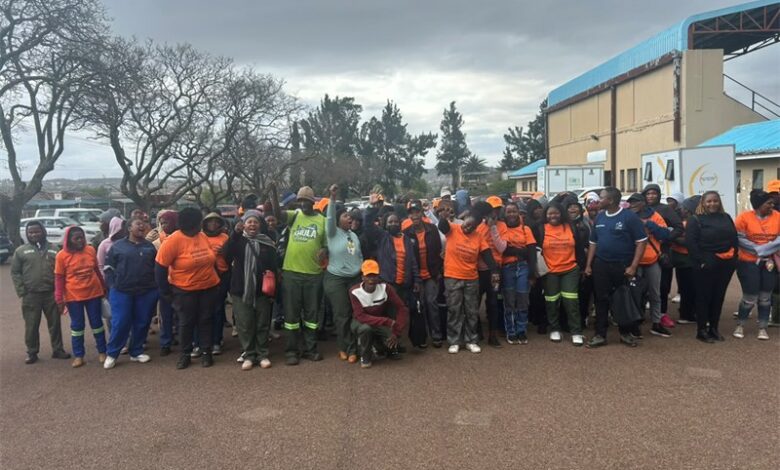
Rampant illegal dumping and open waste burning west of Pretoria have prompted renewed calls for residents to utilise local recycling buy-back points.
Following an e-waste collection drive in Atteridgeville to promote the International Day of Clean Air for Blue Skies, residents say illegal dumping continues to plague the area.
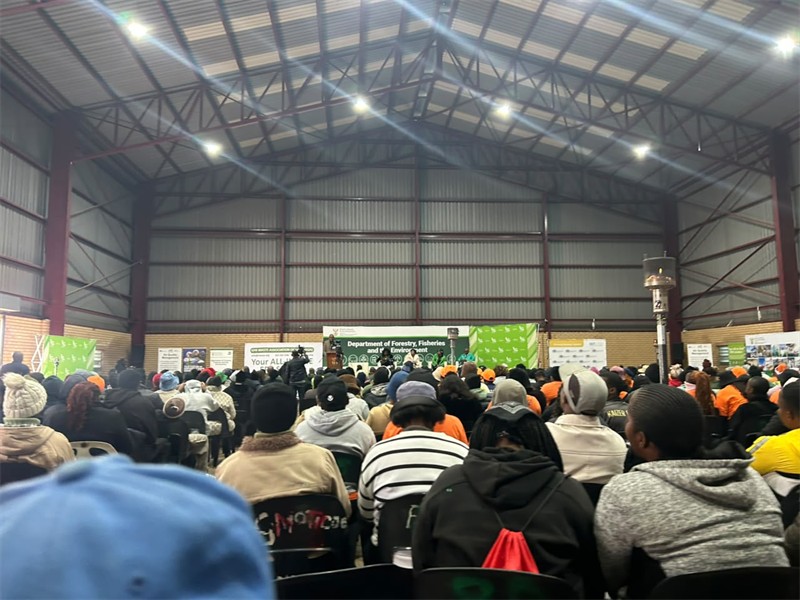
The Department of Forestry, Fisheries and the Environment (DFFE) held the drive on September 9 at the Molekwa Sports Complex in Atteridgeville, where residents could bring their broken electronics to be recycled instead of dumped.
DFFE Deputy Minister Bernice Swarts said at the time that broken or redundant electronics are the fastest-growing waste stream, with South Africa currently producing 600 000 tonnes of e-waste.
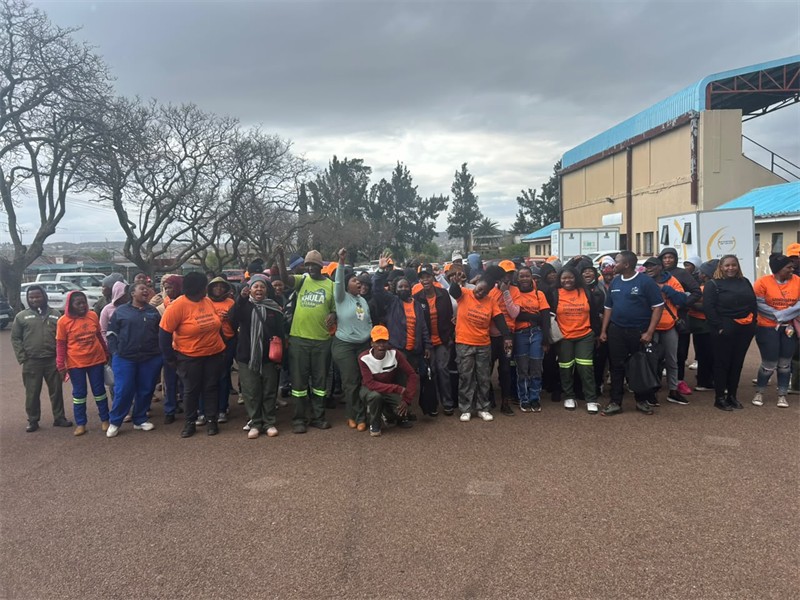
The location for the awareness campaign was deliberate, as Saulsville faces persistent environmental challenges from illegal dumping, open waste burning and fugitive dust, all of which harm local air quality and public health.
Inadequate waste collection services, increasing population density, informal settlements, and the proliferation of illegal dumping sites have contributed to the widespread accumulation of waste in and around residential areas.
These dumping sites are frequently set alight, deliberately or spontaneously, releasing harmful pollutants such as fine particulate matter, carbon monoxide, volatile organic compounds and toxic compounds from burning plastics, rubber and other household waste.
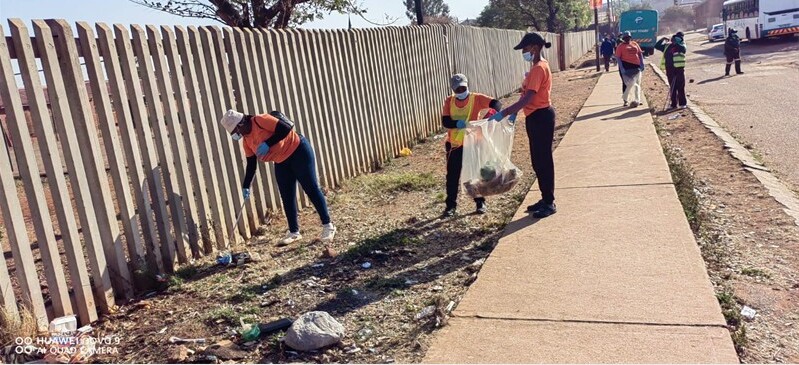
Ward 62 councillor Esther Masuku emphasised the need to bring awareness to the impact of dumping on the environment.
She said dumping was done as a result of hoarding in households, so the government is taking steps to make sure programmes are implemented to minimise the harmful effects.
“Not taking care of our environment has resulted in the DFFE opening opportunities to assist those who are doing recycling or waste picking, and to formalise waste pickers so that they can be able to have businesses. The City of Tshwane will also assist with giving them land so that they operate where people will be able to access it without disturbing other people,” Masuku said.
“The introduced buy-back points where they will drop their waste will keep our landfills clean, and the prevention of illness and safety is guaranteed, and law enforcement is done, and implementation of government policy is adhered to.”
Local buy-back centre provides recycling option
The buy-back centre in Atteridgeville, located on Stand 13431 on the corner of Mmale Street and Schurveberg Road, has been the go-to for residents looking to dispose of recyclables such as glass, plastics, cardboard, metals, cans and other items.
Though these points are available, stakeholders said generating awareness of them remains crucial given the environmental challenges that the area faces.
Soulbent NGO founder Mashudu Makhado said that through the weekly clean-up efforts that the NGO carries out in Saulsville, Atteridgeville and surrounding areas, the importance of separating e-waste from ordinary household waste and making sure that old electronics are collected and recycled through proper channels is a message that still needs to be channelled to residents.
“From our work in Saulsville and the surrounding Atteridgeville areas, we have seen how illegal dumping, open fires and poor waste management continue to affect our communities and the environment. E-waste is a growing concern because electronics contain materials and chemicals that can contaminate the soil and water when they are dumped illegally or burned. Open fires are particularly worrying because burning electronic waste can release harmful smoke and pollutants into the air, putting both people and the environment at risk,” Makhado said.
Soulbent’s regular clean-ups expose illegal dumping in different parts of Saulsville, including around open spaces, roads, illegal dumping sites and the Moganwe River area.
Makhado said he believes the solution requires stronger community education, regular waste collection, accessible recycling points and greater co-operation between residents, government departments and organisations.
“Our message is simple: electronic waste should not end up in illegal dumping sites or be burned. It must be handled responsibly to protect our communities, our rivers, soil and air,” Makhado said.
Youth deployed to drive local environmental projects
The Soulbent Project has also recently partnered with the National Youth Service, an initiative within the National Youth Development Agency, where 150 young people were selected to participate in the National Youth Service programme.
The selected youth were deployed to schools and community environmental projects, where they will contribute their time, energy and skills to improving learning environments and public spaces.
The youth will also participate in activities around the Moganwe River, supporting environmental protection and community clean-up initiatives in the area.
Do you have more information about the story?
Please send us an email to bennittb@rekord.co.za or phone us on 083 625 4114.
For free breaking and community news, visit Rekord’s websites: Rekord East
For more news and interesting articles, like Rekord on Facebook, follow us on Twitter or Instagram or TikTok or WhatsApp Channel


