n eight-year municipal sewage crisis is destroying residential properties and posing severe health hazards for homeowners in Mala Mala Crescent and Manyeleti Street.
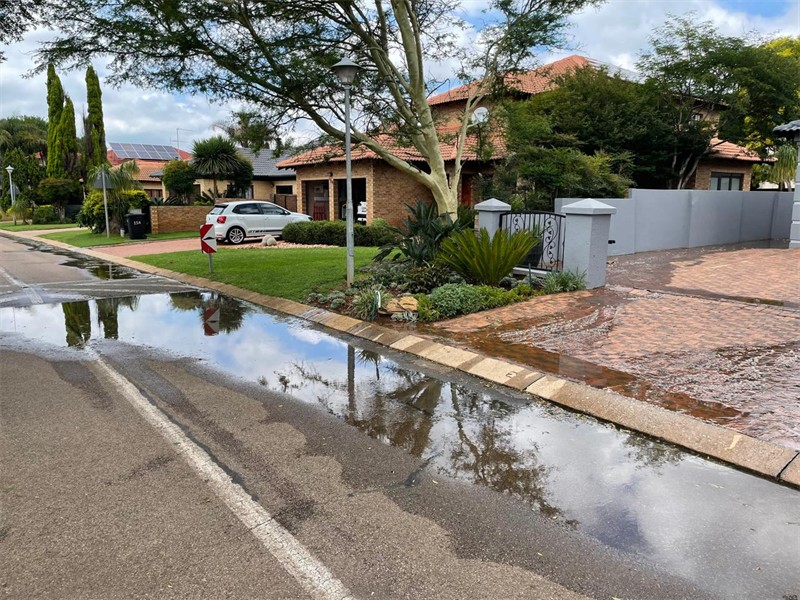
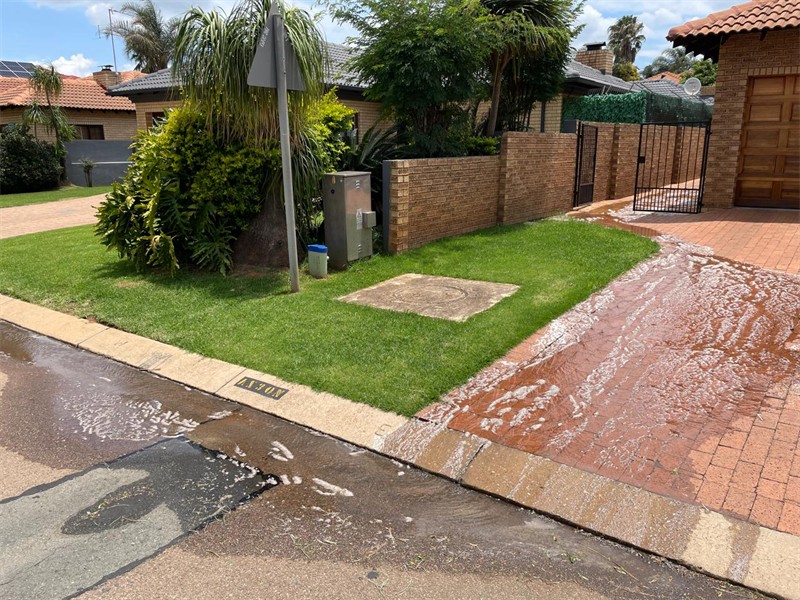
Persistent spills from a damaged underground main line flood yards and gardens, worsening during heavy rains when properties flood more than twice a week.
Collapsed main line
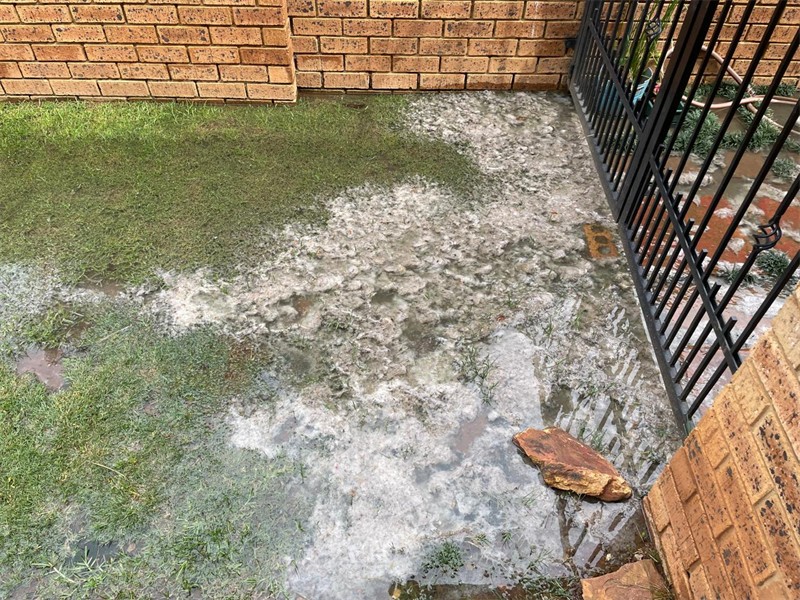
Property owners say tree roots damaged the underground sewer line, forcing sewage into homes and backing up into bathrooms and kitchens.
Residents have called for urgent government intervention to address property damage, health risks, and declining property values.
Independent camera inspections commissioned by property owners and a structural engineer’s report from April this year established that the municipal sewer pipes are broken.
Homeowners claim the metro failed in the engineering design of the main line, leaving it vulnerable to damage.
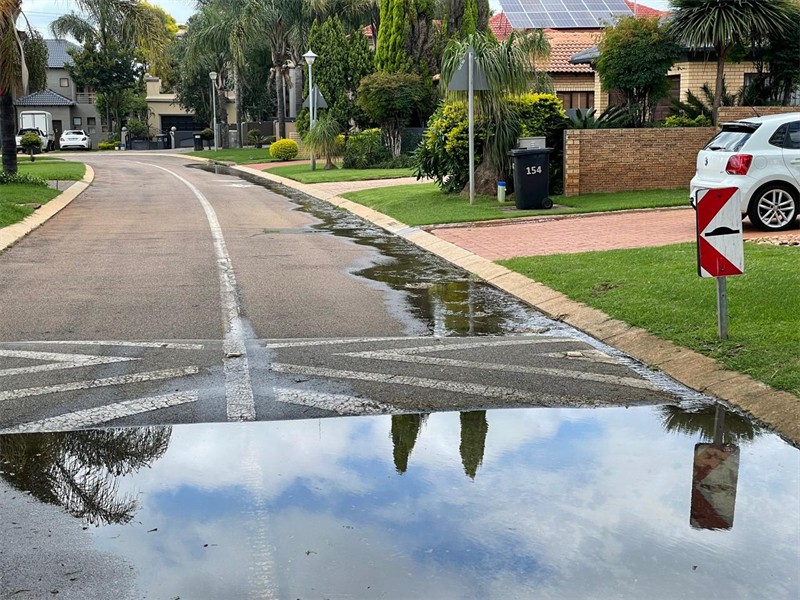
Spills plague area since 2019
Although reported to the municipality since 2019, municipal action has been limited to street cleanups following spills.
The sewage contamination extends beyond individual properties, flooding parks, areas near a bus station, and ultimately contaminating the Moreletaspruit.
Estate manager Hester Venter-Wallace said four properties are directly severely affected, with sewage flowing down Mala Mala Crescent to Manyeleti Street and contaminating the entire area. She added that this prevents residents from walking freely or walking their dogs in the estate.
Venter-Wallace said property owners hired private contractors who traced the collapsed line to municipal infrastructure, but residents could not proceed without proper authorisation and funding. She noted that city water and sanitation officials offered only an interim solution of cleaning streets after flooding.
“At some point the department refused to send a water truck to clean the streets and they then resorted to using resident’s water to clean but no disinfection of the streets, they clean with water only,” said Venter-Wallace.
Promises fail to resolve crisis
Municipal promises to appoint a contractor by November and begin repair work by January 2027 have left residents suffering amid ongoing down-slope flooding into yards and streets.
Venter-Wallace urged the Tshwane metro to prioritise repairs due to health and property risks.
When Meadow Heights floods, a lower-lying estate experiences flooding in nine units, leading residents to believe the sewer line was incorrectly designed.
DA Ward 91 Committee chairperson Dennis Goslin, who resides in a nearby estate, confirmed that spillages affect multiple properties, run past a bus station, and pollute the Moreletaspruit, threatening aquatic life.
Health hazards and financial strain
Resident Piet Vermaak, who lives with a health condition, said he endures a constant stench, cleans his yard up to four times weekly, and receives only temporary fixes despite regular reporting.
Vermaak added that the metro determined the pipe was beyond repair.
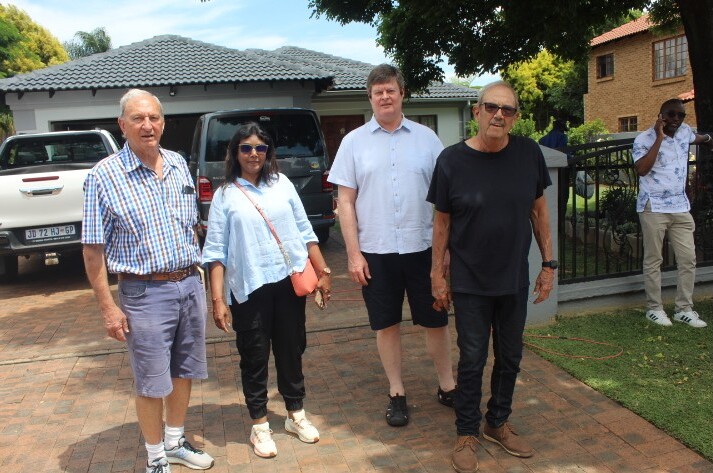
Resident Joggie Saayman said municipal by-laws prevent residents from taking action while they await Tshwane repairs first promised for July, postponed to August, and then moved to November.
“The tender was issued at first to get a contractor to fix the issue then later cancelled before repairs work can even start,” said Saayman.
Saayman paid over R4 000 for an independent camera inspection after spillages escalated from monthly to weekly occurrences.
Legal action considered
Saayman said he might consider legal action against the metro for neglecting the issue and failing to escalate it through the regional water and sanitation department.
He noted that eight years of municipal inaction have caused major health risks, including bird deaths, stomach illnesses, and potential underground water contamination, while municipal health departments failed to respond.
In addition to private plumbing and detergent costs, Saayman claimed municipal workers connect hosepipes to private water supplies to clean streets without offering rebates, leaving residents with inflated water bills.
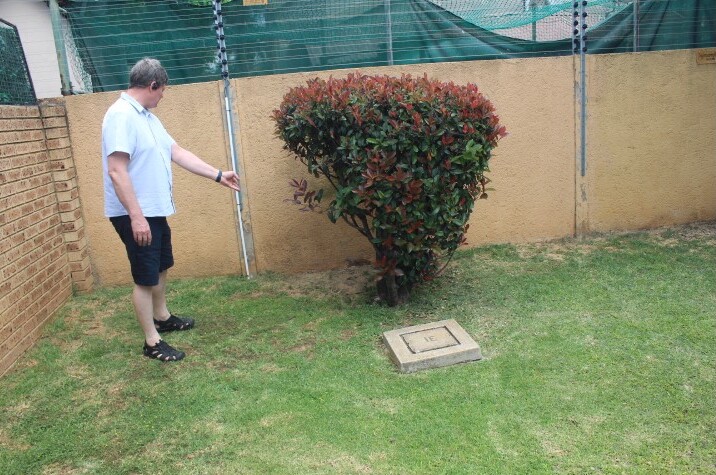
Saayman called on the metro to take accountability and resolve the infrastructure failure.
Despite an enquiry sent by Rekord on October 14 and multiple follow-up enquiries to the Tshwane metro, no response was received by the time of publication.
Do you have more information about the story?
Please send us an email to bennittb@rekord.co.za or phone us on 083 625 4114.
For free breaking and community news, visit Rekord’s websites: Rekord East
For more news and interesting articles, like Rekord on Facebook, follow us on Twitter or Instagram or TikTok or WhatsApp Channel