Are shipping containers a good investment?
The pros and cons of investing in a shipping container.
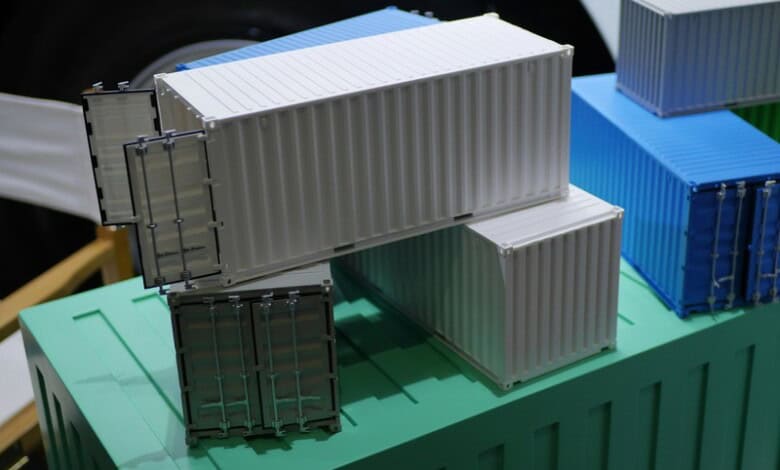
Shipping containers have gained popularity far beyond their original use in transporting goods. Today, they’re used in everything from affordable housing to pop-up shops, data centres, and secure storage facilities.
With rising interest in alternative investments and passive income streams, many are asking: Are shipping containers a good investment? Like any asset, they come with both advantages and drawbacks. Let’s take a closer look at the pros and cons.
Pros of Investing in Shipping Containers
Affordability and Accessibility
Compared to real estate or large-scale business ventures, container rental is relatively affordable. This low entry cost makes them accessible to first-time investors or those looking to diversify their portfolio.
Versatility and Demand
Shipping containers are used across various industries—from logistics to retail and construction. Their versatility means there is often demand for containers as temporary offices, homes, or mobile clinics, particularly in areas where infrastructure is lacking. This adaptability can lead to multiple income streams, such as renting or reselling converted units.
Passive Income Potential
If managed correctly, container rental can be a relatively passive investment. Investors can partner with container leasing companies that handle maintenance, storage, and logistics, earning a regular income from containers leased to shipping lines or construction companies.
Global Trade Resilience
Despite fluctuations in the global economy, the need for cargo transport remains constant. Containers are essential for this system to function. In times of heightened trade or supply chain disruptions, demand can even spike, offering short-term profit opportunities.
Cons of Investing in Shipping Containers
Depreciation and Maintenance
Like vehicles, shipping containers depreciate over time, especially with wear and tear from transport or exposure to the elements. Rust, structural damage, and regulatory compliance can lead to ongoing maintenance costs. Without proper upkeep, containers can quickly lose value.
Market Volatility
Container demand is influenced by global trade volumes, oil prices, and economic cycles. During downturns or oversupply periods, leasing rates can drop, and resale value may decline. Investors relying on consistent income may find this unpredictability risky.
Storage and Logistics Challenges
If not leased out immediately, containers need to be stored, which may incur additional costs. Managing logistics, insurance, and retrieval can become complex without a leasing partner. This adds a layer of operational responsibility that not all investors are prepared for.
Regulatory and Location Issues
In some countries or cities, local regulations may limit how and where containers can be used—particularly when converting them into dwellings or commercial spaces. Investors need to research zoning laws, building codes, and permits to avoid costly legal issues.
Conclusion
Shipping containers can be a smart investment for those seeking low-cost, tangible assets with passive income potential. However, like all investments, they come with risks.
Understanding market trends, partnering with reliable leasing companies, and maintaining the containers properly are key to turning a profit. For investors with a long-term view and a tolerance for moderate risk, shipping containers may offer a unique and rewarding opportunity.