Political parties clash over Tshwane coalition and service delivery
Water shortages, electricity failures, crime, unemployment and municipal finances dominated a Tshwane mayoral debate hosted by the National Press Club and Unisa on October 28. Party representatives outlined their priorities.
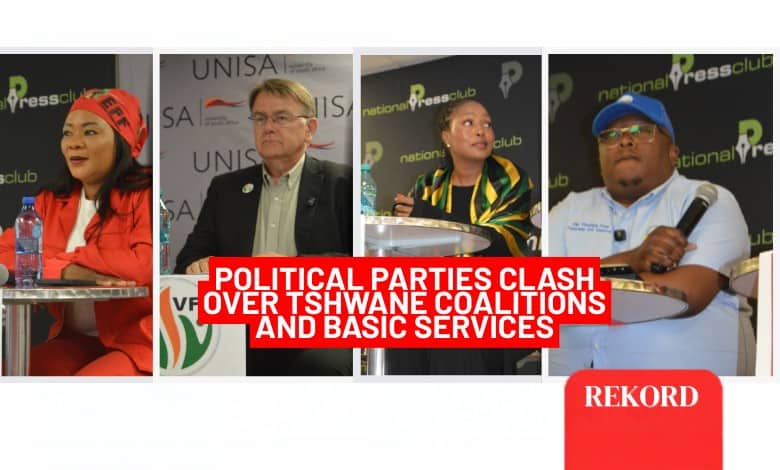
Water shortages, electricity interruptions, crime, unemployment and municipal accountability featured prominently when mayoral candidates and party representatives discussed what it takes to lead the Tshwane metro ahead of the municipal elections.
The debate, hosted by the National Press Club and Unisa on October 28, brought together representatives of five political parties to answer questions from a panel comprising Andries Cornelissen, Dr Trevor Hlungwani and Tumelo Makgoara.
The participants were Willie Spies of the Freedom Front Plus (VF Plus), Themba Fosi of the Democratic Alliance (DA), Tlangi Mogale of the African National Congress (ANC), Hannes Coetzee of ActionSA and the EFF’s mayoral candidate Omphile Maotwe.
Neither Dr Nasiphi Moya (ActionSA) nor Cilliers Brink (DA), both mayoral candidates, attended the debate.
The discussion focused on the challenges facing the capital’s municipal administration, with participants presenting different approaches to restoring services, improving public safety, stimulating economic activity and strengthening financial management.
The possibility of a coalition government emerged as an important issue, particularly if no political party secures an outright majority.
The ANC representative, Mogale, said the party’s national leadership would decide on potential coalition partners.
The DA’s Fosi said his party was not planning around the prospect of failing to win outright but rather winning outright, while Spies indicated that the VF Plus could work with the DA if coalition negotiations made that necessary.
Coetzee, representing ActionSA, took a different position, ruling out the DA as a coalition partner.
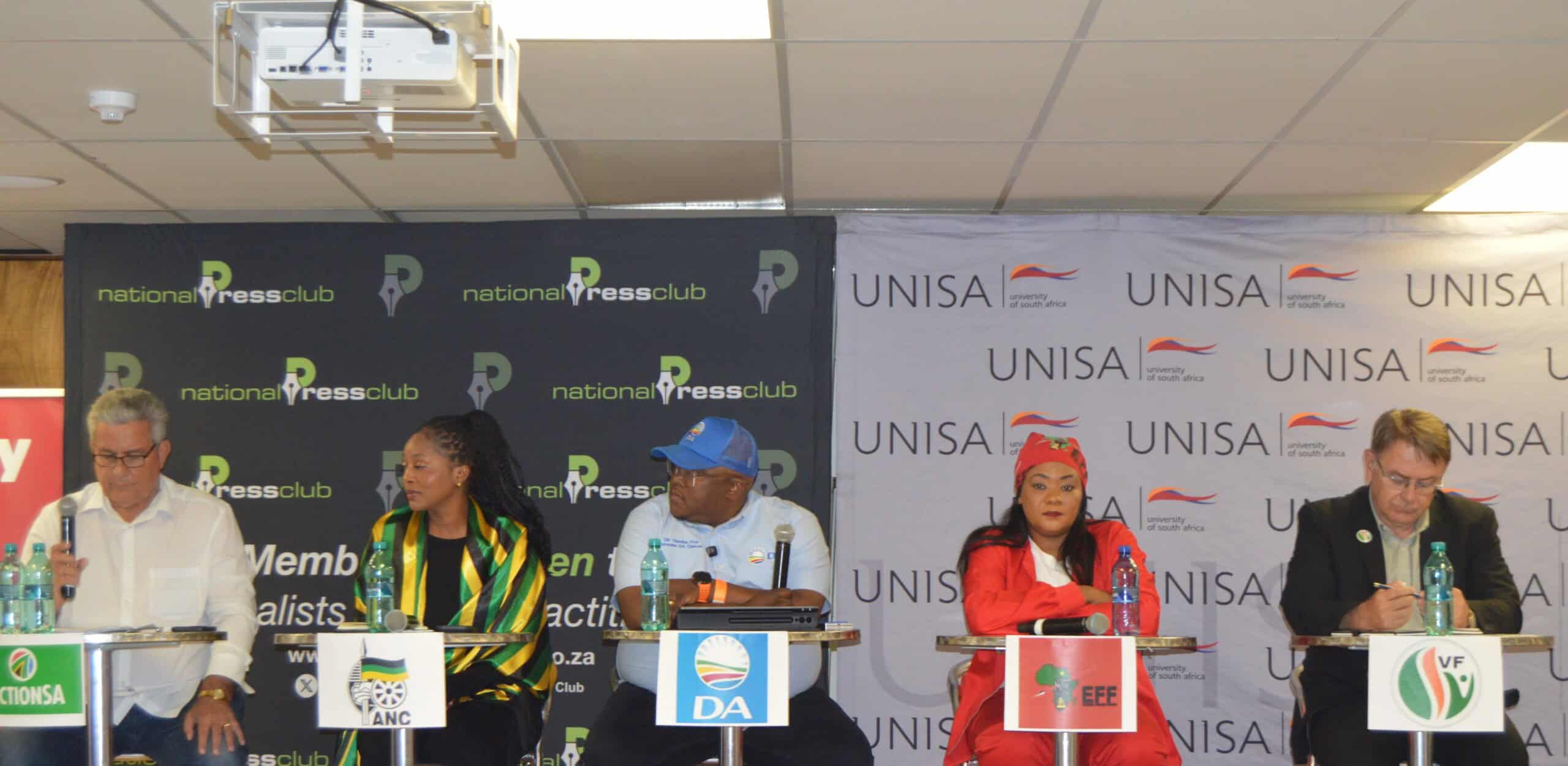
The responses highlighted differences in how the parties approached the possibility of post-election negotiations.
However, their representatives repeatedly returned to the practical consequences of municipal performance: whether residents receive reliable water and electricity, whether communities are safe, whether businesses can operate and whether the municipality uses public money effectively.
Fosi (DA) placed infrastructure, crime prevention and economic development at the centre of his contribution.
He argued that the metro needed to address persistent water and electricity problems while making better use of municipal assets.
Fosi said the municipality should reconsider how income from trading services is managed, and advocate for revenue generated by electricity. He also raised concerns about corruption, electricity losses and the difficulties businesses face when municipal administration fails to function effectively.
His proposals included appointing business-unit heads, addressing corruption and exploring ways to make municipal infrastructure more productive.
His contribution centred on improving municipal performance, generating economic opportunities and addressing the service-delivery problems affecting residents and businesses.
Maotwe (EFF) argued that the city’s problems required a comprehensive response encompassing public safety and employment.
She described the municipality as a city struggling with crime, saying: “Tshwane is a city at war with itself because of all the crime.”
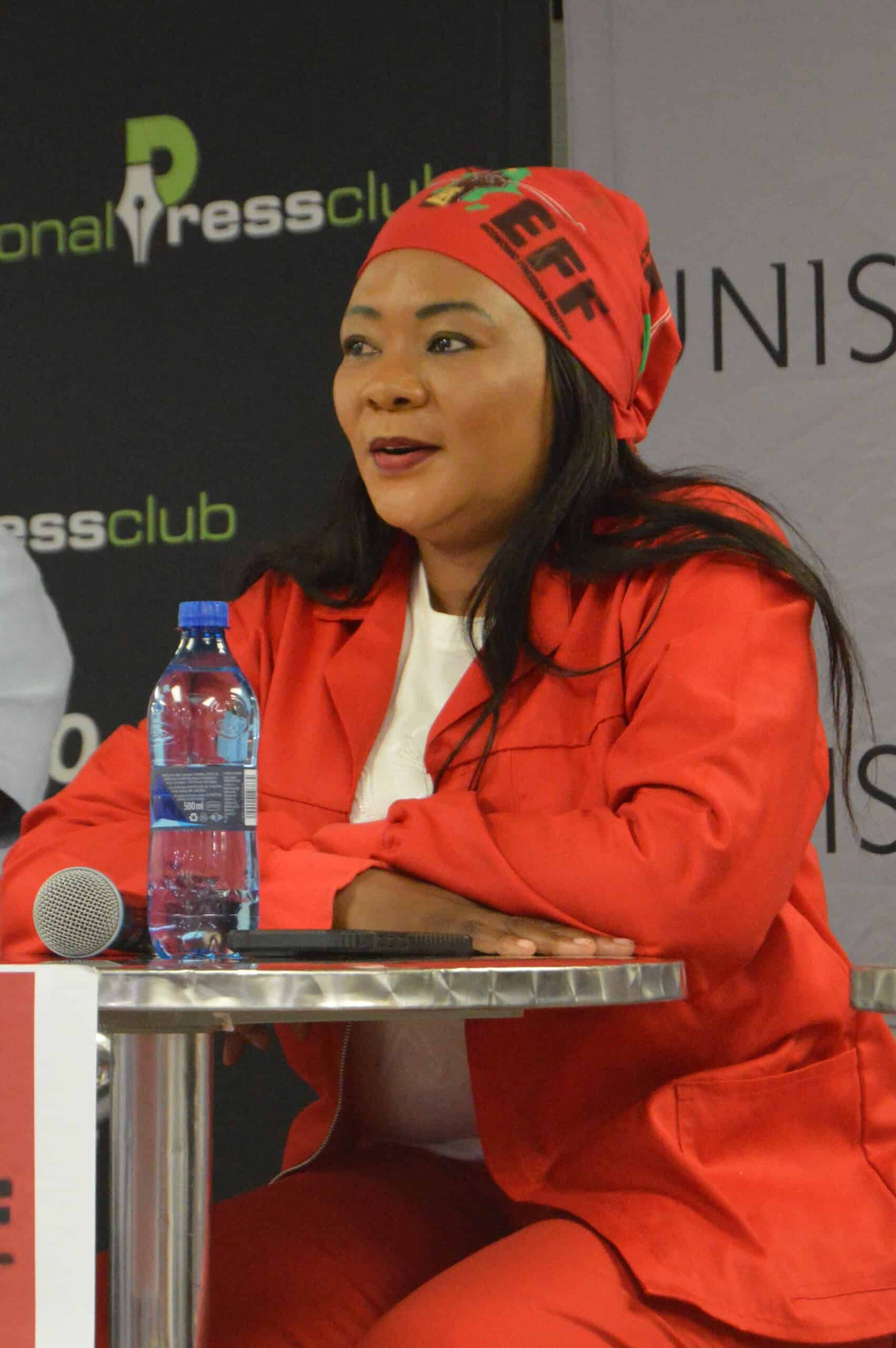
Maotwe also raised concerns about unemployment and the condition of informal settlements. She cited Winterveldt and other areas where residents have experienced prolonged difficulties obtaining formal services and recognition.
She argued that the municipality should work with universities and other institutions to develop partnerships that could support economic development and employment.
Maotwe identified Wonderboom Airport as a municipal asset that should remain under city ownership. She called for a comprehensive review of the municipal budget and questioned the extent of outsourcing in service delivery.
Her proposals included a safer city, improved water provision and stronger accountability for the use of municipal money.
She also called for action against those found to have misused public funds.
Spies (VF Plus) focused on the metro’s infrastructure, municipal finances, public safety and the relationship between the city and its residents.
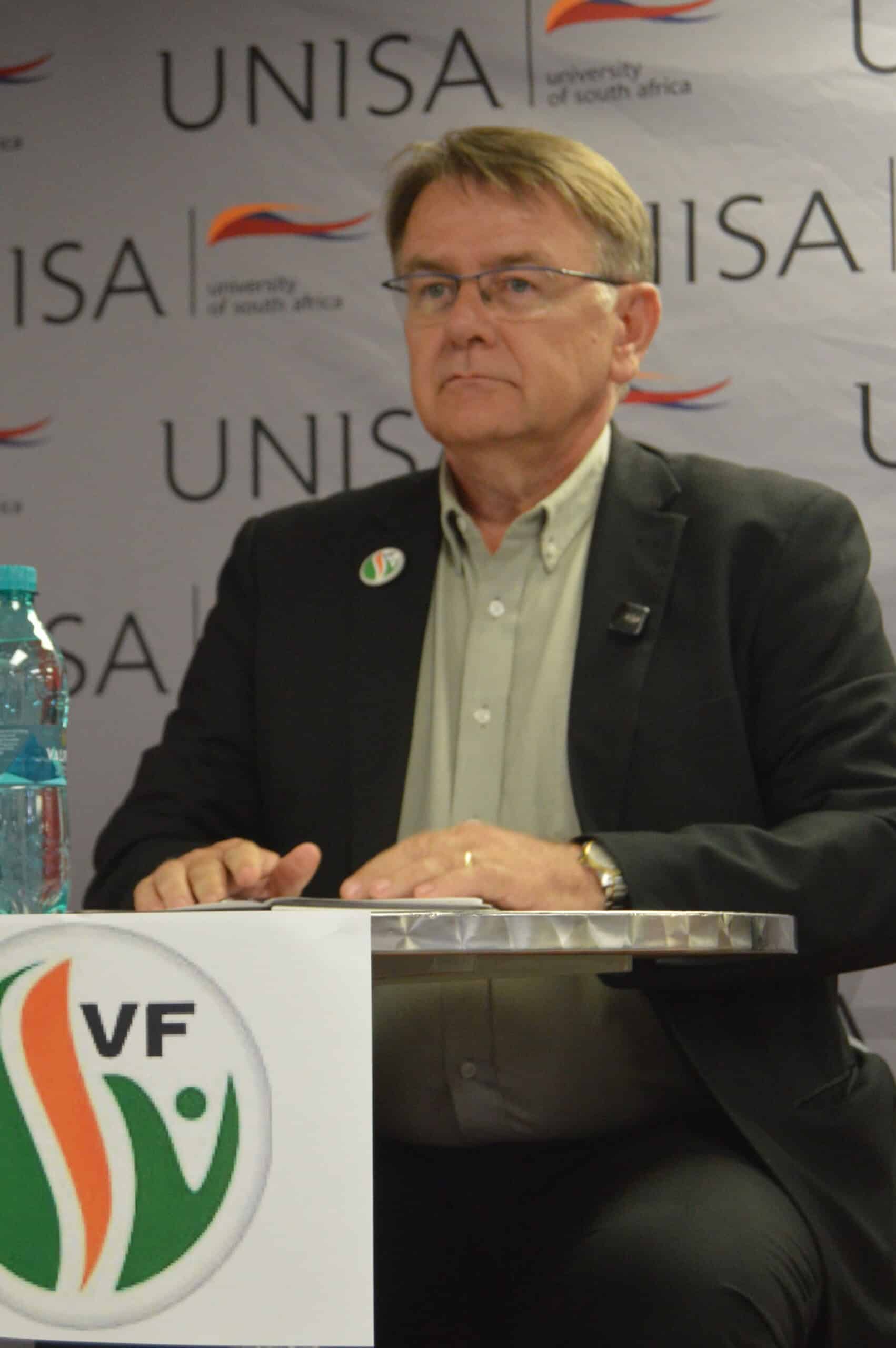
He argued that the municipality had performed poorly in its core responsibilities and questioned whether residents were receiving value for the money allocated to municipal services.
Spies said the city needed a different approach to leadership, arguing that political competition within governing coalitions could undermine effective administration.
He described the municipality as disconnected from the communities it serves and called for a change in how politicians approach governance.
“The city is on autopilot, and the autopilot is not working,” he said.
He criticised paying contractors before their work was completed and called for stronger financial oversight.
Mogale (ANC) argued that the Tshwane metro needed to prioritise economic revitalisation and improved service delivery.
She also called for consequences for officials who failed to perform their duties.
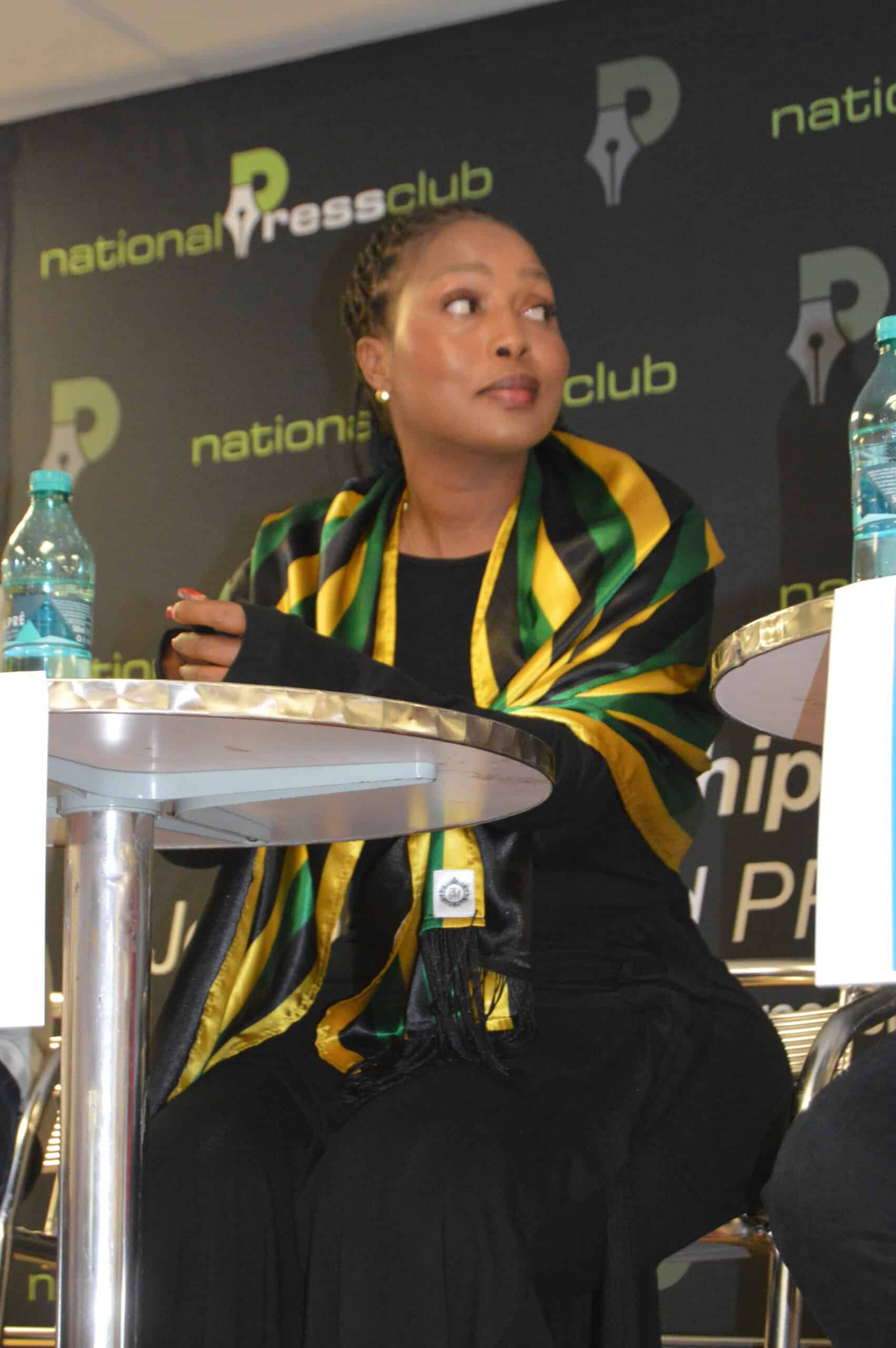
Mogale proposed putting employment for young people and women at the centre of the city’s economic strategy, with the Tshwane Economic Development Agency helping expand opportunities.
She called for a stronger culture of accountability, including audit-tracking committees and closer monitoring of municipal performance.
Revenue collection was another priority. Mogale said the municipality needed to involve communities and encourage residents to pay their accounts.
She also raised concerns about violence against women and young people, including rape and murder in identified hotspots, and called for these concerns to be incorporated into municipal interventions.
Mogale argued that investment could support economic growth and employment, while better management would help unlock the city’s potential.
Coetzee (ActionSA) proposed concentrating on visible improvements during the first 100 days of a new administration.
He identified water provision, crime prevention and by-law enforcement as areas requiring attention, arguing that municipal leadership needed to respond directly to residents’ concerns.
Coetzee called for community engagement on paying municipal accounts and maintaining the city’s revenue base.
He also highlighted co-operation between local, provincial and national authorities in crime-prevention operations.
His proposals included equipping metropolitan police with body cameras, strengthening crime-busting operations and using real-time information to identify hotspots requiring service-delivery interventions.
He argued that the city’s water crisis could not be separated from disputes over the integrated development plan, which he claimed had been opposed by the DA and the VF Plus.
Do you have more information about the story?
Please send us an email to bennittb@rekord.co.za or phone us on 083 625 4114.
For free breaking and community news, visit Rekord’s websites: Rekord East
For more news and interesting articles, like Rekord on Facebook, follow us on Twitter or Instagram or TikTok or WhatsApp Channel