Vulnerable communities criticise metro for keeping them in apartheid-like conditions
“We exist in the margins of the city and cannot say that we feel included.”
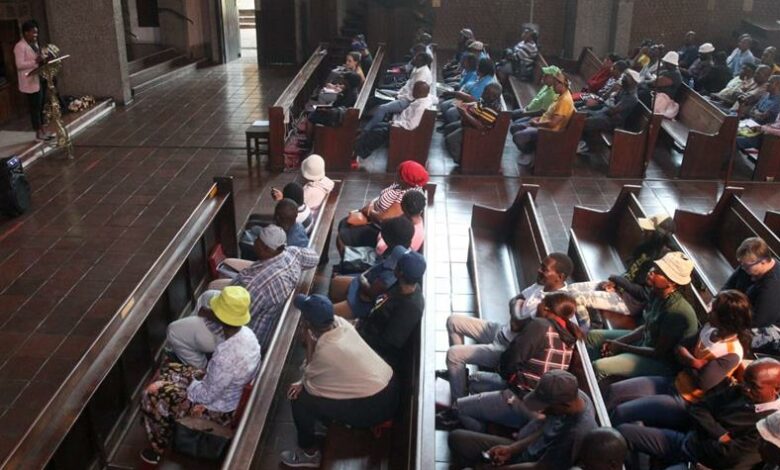
Tshwane communities criticised the metro for lack of urgency in providing adequate services to vulnerable local areas on Tuesday.
The community members and leaders held a housing imbizo at St Albans Cathedral in the Pretoria CBD where they highlighted their needs for housing, water supply, sanitation, streetlights and tar roads in their communities.
The community representatives were from across Tshwane communities: namely Eersterust, Mamelodi hostels, Phomolong, Nellmapius (Spoko Park), Woodlane Village (Plastic View), Salvokop, De Villiershof, (Pretoria CBD) and Mabopane among others.
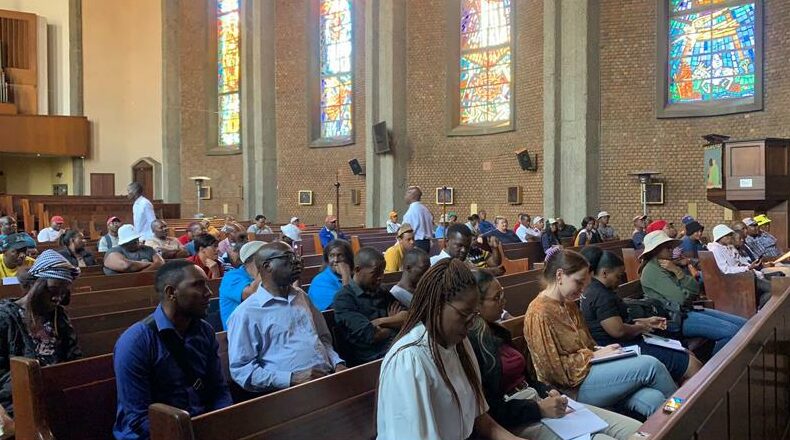
These members are part of the Urban Studios, a partnership between the Centre for Faith and Community.
Urban Studios spokesperson Mandisa Dyantyi said the aim was to support communities towards their full integration and participation in constructing a better city.
Dyanti said one of the strategic pillars of Tshwane as stipulated in the Integrated Development Plan 2020/2024 was to be a city that cared for residents and promoted inclusivity.
“We exist on the margins of the city and cannot say that we feel included,” said Dyanti.
She said Tshwane still carried the legacy and consequences of apartheid.
“We are excluded from cities and are kept in our communities for cheap labour.
“This painful legacy of apartheid continues to haunt South African cities and Tshwane is no exception.”
Dyanti said communities living in the informal settlement such as Phomolong (ward 40) have been in existence for over 20 years, however; it was still unclear what plan the City had to upgrade such settlements.
“This community was established in 2001 when a few hundred people were moved from Marabastad under former Mayor Smangaliso Mkhatshwa and many promises were made regarding housing and services, but none of these have been fulfilled.
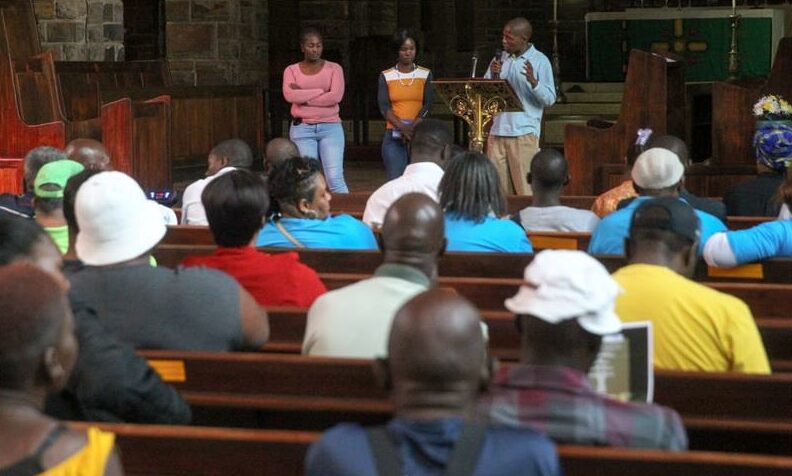
“We do not have access to basic services such as electricity, running water and dignified sanitation and many of us have resorted to self-help methods to access these very important services.”
She said some of these ways had proven to be dangerous and occasionally deadly.
“We urge the City to make these services immediately available so that our community can stop being a death-dealing environment whose residents live under constant threat and anxiety.”
Dyanti said the settlement was earmarked for rezoning years ago, and it is not clear where that process was.
She said Nelmapius ext. 22, also an informal settlement dubbed Spoko Park, had no access to basic services such as proper toilets and running water.
“We are of the understanding that the reticulation process was completed in 2020, and we have taps in our yards, but there is no water.
“We also seek to understand what plans the City has to provide a housing solution for Spoko Park.”
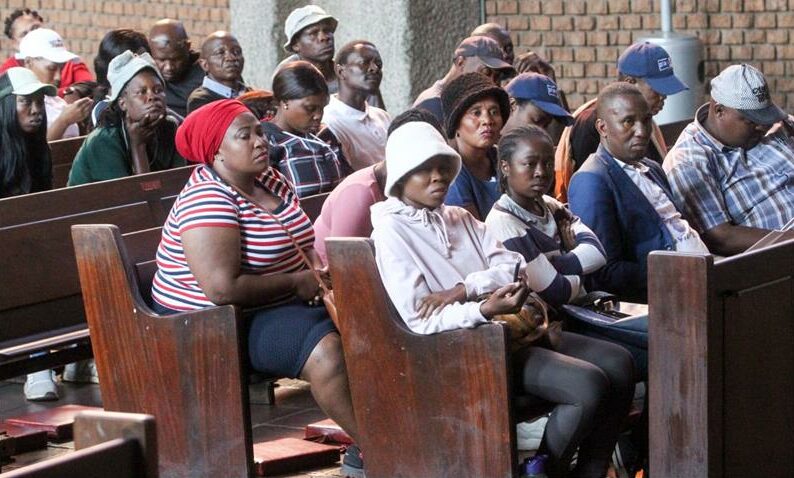
Dyanti said in Woodlane Village (Plastic View) the community had been expecting the City to provide a proper housing solution for the community since 2009.
“We seek an urgent response from the City regarding the future of our settlement… for providing housing solutions as per the direction of the court order that affirmed our right to exist in the piece of land.”
In other areas such as De Villiershof in Sunnyside, men, women and children have been occupying an vacant building since 2019 after struggling to get proper accommodation.
“In 2020, during the first wave of Covid-19, the metro police brought [more] people from around the City, and they are still there.
“We are a community that is three years old and there is still no running water and electricity in the building and people have to relieve themselves at the shopping centre across the road.
“This is difficult at night when the shopping centre is closed.”
She said the residents were served with an eviction order, however, it was unclear who applied for it as there was no date on it.
“We are in the dark about the future of this community.”
While in Mabopane ward 22, communities still faced sewerage and stormwater drainage challenges.
“There are unfinished RDP houses that have been standing in R and T sections for a long time. We are not sure what the plan for these houses is and we would like to get clarity.
“Extension B is in urgent need for basic services such as running water, proper sanitation and electricity.
“We believe that it is upon all of us to work together to do away with the legacy of apartheid that is so deeply engraved on South African cities in general.”
The communities delivered a memorandum to a Tshwane official and demanded a response within 21 days.
Watch:
Tshwane MMC for Human Settlements, strategic adviser Esme Masuku said the metro had 210 informal settlements and unfortunately had no budget to cater for all their requirements.
Masuku said she was aware that some communities suffered from 20 years ago, however the slow pace was caused by the City following protocols.
She also blamed the delays in the allocation of land and housing to land grabs.
“Land grabs have been occurring, some due to the EFF’s advice,” Masuku said.
She said land had been earmarked for housing developments and a beneficiary list was approved, however land grabs delayed the process.
“The challenges of the city are enormous. We have budgetary constraints, especially as [only] 45% of residents pay rates and taxes.”
Masuku said water and sanitation circulation was also still in the pipeline for many communities.
“We are also waiting on funds from the provincial government.”
She promised passed the memorandum on to the human settlements department and revert to the members in 21 days.
Watch:
Do you have more information about the story?
Please send us an email to editorial@rekord.co.za or phone us on 083 625 4114.
For free breaking and community news, visit Rekord’s websites: Rekord East
For more news and interesting articles, like Rekord on Facebook, follow us on Twitter or Instagram