Pangolin Crisis: Poaching and selling of endangered species continues in Pretoria
Police recently thwarted an illegal pangolin sale to the value of thousands of Rands in the east of Pretoria during a sting operation.
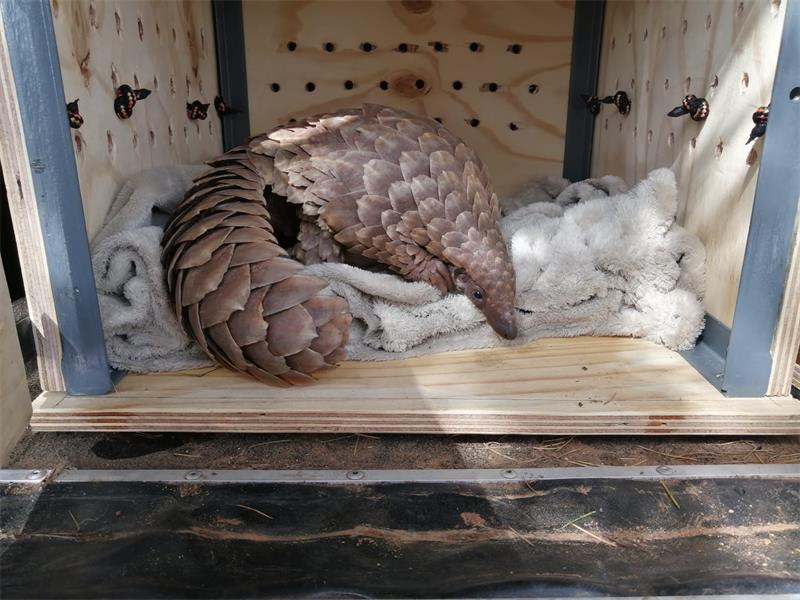
Police thwarted an illegal pangolin sale worth thousands in the east of Pretoria with the help of an environmental activist.
Police spokesperson Yeroboam Mbantsane said the environmental activist from the African Pangolin Working Group disguised himself as a potential buyer and approached two men, aged 34 and 27, from the Northern Cape who were selling a live pangolin.
“The accused arrived driving a Nissan NP200 bakkie with a closed canopy at Makro store in Silver Lakes.
Mbatsane said the cops did not show up until the pangolin was seen in the suspects’ car.
“The investigating team arrested both the suspects.”
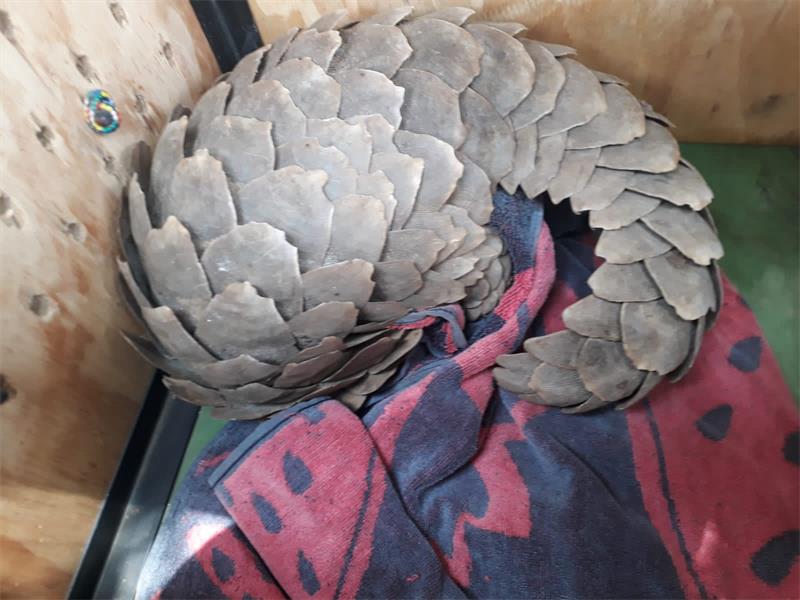
He said one live female pangolin was found and taken to the Johannesburg Wildlife hospital for medical treatment and observation.
The two suspects appeared at the Hatfield magistrate’s court last week. The case was postponed to October 28 for a bail application.
The environmental activist had also previously helped the police in another case. In April, Pretoria-based police nabbed four suspects who attempted to sell a pangolin.
The selling of pangolins continues to be a problematic crime in the region.
Mbatsane said the police were, however, working hard at preventing the sale of pangolins.
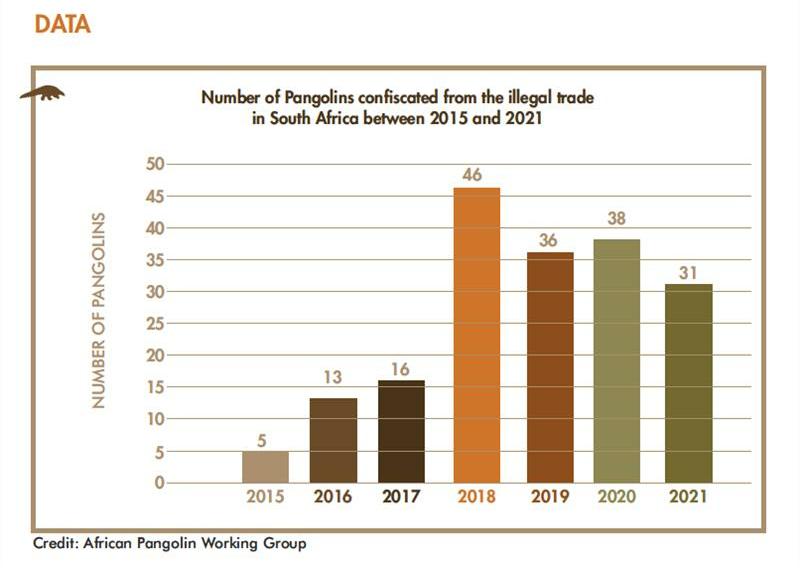
African Pangolin Working Group co-chair Alexis Kriel said this year until the end of September, 25 pangolins had been rescued from the illegal trade.
“In South Africa, the illegal trade that takes place is primarily in live animals. We believe that only 10% of pangolins are retrieved from the illegal trade in this country and that 90% of the trade goes undetected,” she said.
Shedding light on some of the reasons behind the illegal trade of pangolins, Kriel said this was prompted by the perceived value of pangolins and their body parts.
“In Asia and Africa, they are consumed as bushmeat or in restaurants as expensive wild meat and the scales are used in traditional medicine cures,” she said.
Intelligence operations to identify who pangolins are being sold to continues, she said.
Meanwhile, the pangolins’ existence remains under threat.
“Once they are taken out of their home range – where they are familiar with burrows (for shelter), where their food source can be found and possible predators in the area, they are kept in unsuitable conditions (by a trader), without adequate food or water and are often mishandled or become injured during their attempts to escape.
“Once a pangolin has been in the trade for a week or more, it is unlikely that it will survive due to stress, starvation or injuries sustained during the ordeal,” Kriel said.
Pangolins are captured in SA borders, Mozambique, Zimbabwe and further north African countries, she said.
“They are considered the most illegally traded mammal on the planet. If the illegal trade in pangolins continues unabated, we may see them become extinct in the wild within the next 10 years,” she said.
“This illegal trade is considered organised crime and often takes place between the nationals of various countries that share their boundaries, and where pangolins naturally occur.
“This is an animal that is solitary, it has no teeth and makes no sound – when it is threatened, it rolls into a ball and can be very easily picked up and dropped into a bag.”
Education was important in fighting the illegal trade in animals, she said: “Being informed and taking a stand against crime is vital – wherever it occurs – and anyone that is aware of the illegal sale of a pangolin taking place in South Africa has a moral responsibility to report the crime.”
Pangolins were declared endangered species more than six years ago and according to the Department of Environmental Affairs the animal is among the most poached across the world.
According to Kriel, her group is mandated by the Department of Forestry Fisheries and Environment to oversee all pangolin conservation in South Africa, along with its partners.
** Article amended
Do you have more information about the story?
Please send us an email to editorial@rekord.co.za or phone us on 083 625 4114.
For free breaking and community news, visit Rekord’s websites: Rekord East
For more news and interesting articles, like Rekord on Facebook, follow us on Twitter or Instagram