Desiltation of Centurion lake continues as rainy season starts
“The silt and sand that accumulated over the years have been reduced to improve the flow of the river.” - Mashigo.
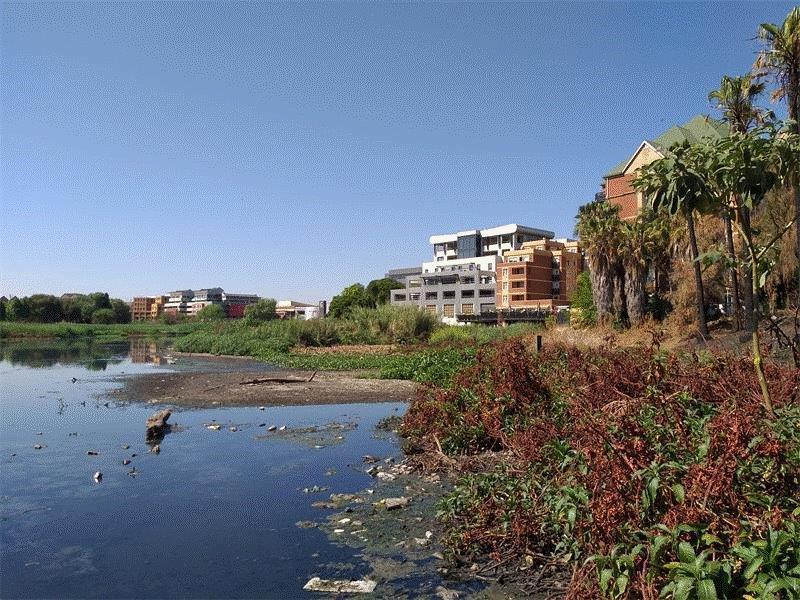
The Tshwane metro says the desiltation of Centurion Lake is progressing well, and may even result in the beautification of the area.
Metro spokesperson Lindela Mashigo said the primary aim of the desiltation that started in September 2021 was to reduce the flooding that was regularly occurred in the are during the rainy season.
“The reality is that for every cube of sediment removed another cube washes down primarily as a consequence of the extensive sand mining taking place upstream beyond our municipal boundaries.
Therefore it is a constant process to remove material especially upstream and downstream of the weir so that we ensure flow.
The trick with this process is to sustain the flow of water as this is key to reducing flooding risk. The material is currently being stockpiled west of the Centurion weir and its final disposal is still under discussion,” said Mashigo.
He said this financial year, the municipality intended to finalise the creation of the two channels caused during desiltation “to ensure optimal flow of the water, especially during periods of heavy flow associated with heavy rainfall”.
He said the metro had also spotted an opportunity to plant grass on sandbanks to better direct water and also beautify the place.
“Furthermore, we intend to experiment with the planting of certain indigenous grasses on the remaining sandbanks to aid the direction of water flow and filtration of water,” Mashigo said.
“If one puts the aesthetics aside, we have a major challenge with water quality and we have seen a slight change in water quality from when the water flows into the lake and then subsequently flows out. Therefore through some ecological engineering, we believe that by replanting the sandbanks with these indigenous plants we can also start to tackle water quality to a limited extent.
One person who is very in favour of the process is Hennops River activist Tarryn Johnston.
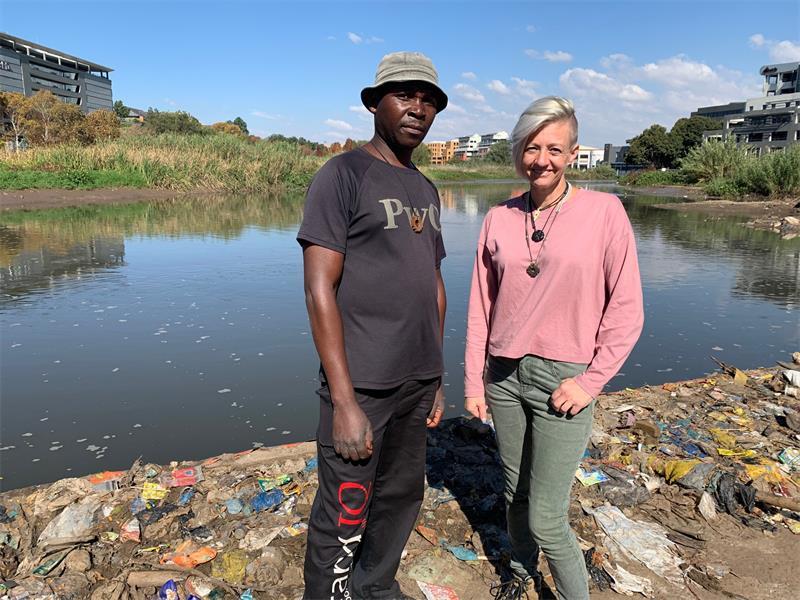
“It’s a great idea, and it’s proven to help previously and more has been done since, but I believe they need more resources, more excavators and earth-moving equipment which I will try to reach out to my stakeholders for.
“It’s a massive job, I think everyone underestimated the enormity of work that has to be done, anyone who can assist in speeding up the process should contact me. Hennops Revival is a public benefit organisation qualifying for tax exemption for contributions made,” Johnston said
She said the quicker this process is done the better. The activist added that there was a massive amount of debris that needed to be removed, as the rainy season was upon us.
At the same time, Mashigo said, he believed that the City was doing extremely well under the circumstances.
“We believe we are doing well. Since the lake was not desilted for a decade, we have been dealing with a lot of unknowns.
“There is a process of trial and error, observing where the sediment settles and how these settlement patterns affect the flow of water.
“These observations guide day-to-day operations which are managed by a dedicated project manager who had prior experience in desilting the lake. We have to contend with strange weather patterns, unexpected and heavy rainfalls, and an ongoing flow of river sand so at times it can feel like one is peddling backwards. But overall with the resources at our disposal, we are making steady progress.”
On the question of when would the rehabilitation be completed, Mashigo said the project was dependent on certain external factors which were beyond the control of the municipality.
“Should the upstream municipalities not play their part in providing adequate services to communities living in and around the Kaalspruit, should the Department of Mineral Resources not clamp down on illegal sand mining, should ERWAT not address the quality of effluent from Olifantsfontein wastewater treatment works, the lake will continue to suffer the impact of these upstream activities.
“As Tshwane, we will continue to focus our efforts on the flooding risk and how we can address water quality within the resources available to us,” he added.
The lake is surrounded by many businesses including the Centurion Hotel, and the metro had previously received numerous complaints about the smell emanating from the lake. But the City acknowledged that they were aware of the situation and that they were in the process of procuring an odour control solution.
“We are aware of the odour and are in the process of procuring an odour control solution, particularly, we are creating the second channel on the southern side and this is releasing particularly serious odours.
“We apologise for the inconvenience that this is causing but it is hopefully temporary. However, for as long as inadequate sanitation systems are used upstream and effluent discharged into the Kaalspruit is not fully compliant, a sewer-like smell can be expected.”
In his recent State of the Capital Address, Tshwane mayor Randall Williams said he remained committed to seeing the project through.
“We embarked on this intensive lake maintenance programme last year already when we ensured that there would be a sufficient budget available for this work in the 2021/22 financial year.
“I am pleased to report that great progress has been made.
“The silt and sand that accumulated over the years have been reduced to improve the flow of the river,” he said.
Do you have more information about the story?
Please send us an email to editorial@rekord.co.za or phone us on 083 625 4114.
For free breaking and community news, visit Rekord’s websites: Rekord East
For more news and interesting articles, like Rekord on Facebook, follow us on Twitter or Instagram