Tshwane warns festive season travellers of rise in malaria in Gauteng
“Undiagnosed and untreated malaria rapidly progresses to severe illness, with a potentially fatal outcome,” the NICD says.
The Tshwane metro has warned residents travelling to possible malaria areas such as northern KwaZulu-Natal, Limpopo and Mpumalanga this festive season to be careful.
This was after Gauteng reported 1 103 malaria infections and 11 fatalities this year.
In Tshwane, 43 infections were recorded from July to October 2022 with no fatalities.
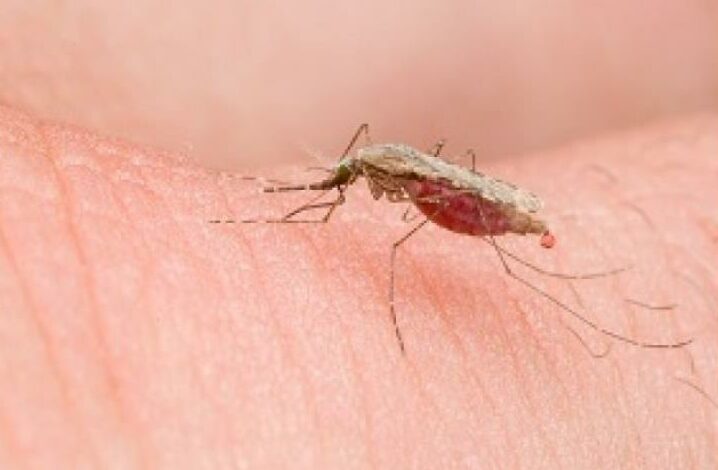
“Malaria is a potentially life-threatening disease caused by bites from infected mosquitos,” said Tshwane health MMC Rina Marx.
“In the human body, the parasites first multiply in the liver and then infect the red blood cells. Despite its seriousness, malaria is preventable and curable.”
When travelling to areas that are prone to malaria, residents should consider both pharmaceutical and non-pharmaceutical interventions.
“Malaria prophylaxis should be taken before entering an endemic malaria area.
“In addition, personal protection measures against mosquito bites can be taken by using mosquito repellents and wearing long-sleeved clothing. Prevention is always better than cure.”
According to the national institute for communicable diseases (NICD), many malaria cases were misdiagnosed as Covid-19 earlier this year during the malaria peak season.
This was because malaria and Covid-19 have similar early symptoms including fever, chills, headaches, fatigue and muscle pain.
“Undiagnosed and untreated malaria rapidly progresses to severe illness, with a potentially fatal outcome.”
NICD antimalarial resistance monitoring and malaria operational research Jaishree Raman said the country’s malaria case numbers started rising when travel restrictions were lifted in early 2022.
“This comes after much lower malaria cases during 2020 and 2021 – a result of reduced cross-border movements because of Covid regulations, as well as proactive, innovative actions by some South African provinces’ malaria control programmes,” Raman said.
“It is crucial that South Africa’s malaria control programme regroups and refocuses. This will enable the country to get its malaria elimination efforts back on track.”
ALSO READ: Soshanguve encouraged to report crime despite concerns
Do you have more information about the story?
Please send us an email to editorial@rekord.co.za or phone us on 083 625 4114.
For free breaking and community news, visit Rekord’s websites: Rekord East
For more news and interesting articles, like Rekord on Facebook, follow us on Twitter or Instagram