Tshwane downscales costly fibre project in bid to save R2.74-billion for service delivery
The full scope of the project was awarded in 2015 and would have cost Tshwane R3.6-billion over 18 years.
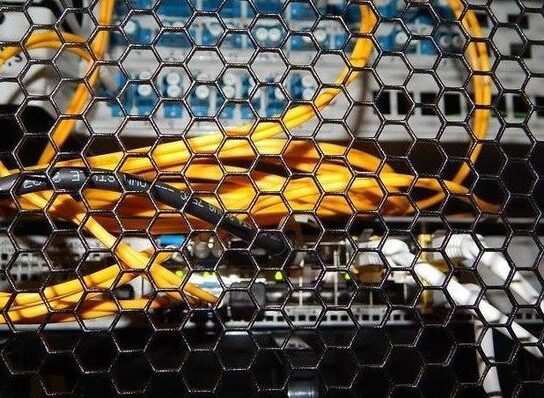
The Tshwane metro has scaled down on an ongoing internet project that would have cost it R3.6-billion over 18 years as it tries to improve its finances.
The project is still under construction but will now have fewer network points.
The broadband fibre network project would enable connectivity between municipal buildings and form a backbone for future connections to residential homes.
Spokesperson Selby Bokaba said the reason for the reduction in network points was to better the metro’s financial position.
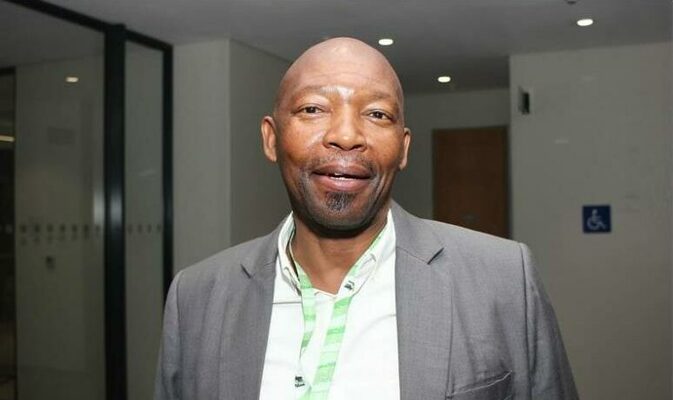
Scaling the project down means that the project would come in at about R920-million over the same period.
No money has as yet been spent on the project.
“It is pricey and the reduction of scope will allow for the redirection of much-needed resources to other areas of basic service delivery.”
He said there was a dire need to redirect funds towards basic municipal services such as electricity, water and refuse.
Bokaba said the four core sites facing reduction were in Centurion, Mamelodi, Rosslyn and Temba.
“The areas serve as a hub for connectivity within that particular region. The initial plan was to build eight core sites. Now there will be four in the areas”.
He said the metro still prioritised the broadband infrastructure footprint in all its seven regions.
“Certain buildings will be connected through this project, while the remainder will be connected via the normal corporate network.”
Bokaba said about 200 sites were chosen due to their proximity to the current broadband fibre backbone.
They were mostly about a kilometre away from the infrastructure backbone allowing for them to be connected via the corporate network.
He said they were chosen as they were mostly used by residents.
Bokaba said the 200 sites would still be near municipal buildings that attracted a high volume of customers like Customer Care Centres, TMPD offices and social development amenities, meaning the townships would not be excluded.
“Broadband connectivity is also not the only form of connectivity. The City continues to expand the available spaces for cellular masts as new site installations for Wi-Fi. This action only relates to the contract at hand and is not a change in any policy or strategic position of the metro.”
He said communities had also been notified or were in the process of being notified about the downscaling of the project.
“The report to go out on public participation is also approved by council of which ward councillors are part. The current public participation process is also part of informing and engaging communities on the intention to reduce the scope of the contract.”
Bokaba said Tshwane still maintained an aspiring vision for a smart city.
“The vision remains and there are many other programmes that continue to support this vision. The metro continues to expand its Wi-Fi infrastructure across all regions as well as automating many City functions which are now available online.
ALSO READ: Woman loses everything in Salvokop shack fire
Do you have more information about the story?
Please send us an email to editorial@rekord.co.za or phone us on 083 625 4114.
For free breaking and community news, visit Rekord’s websites: Rekord East
For more news and interesting articles, like Rekord on Facebook, follow us on Twitter or Instagram